
Plants
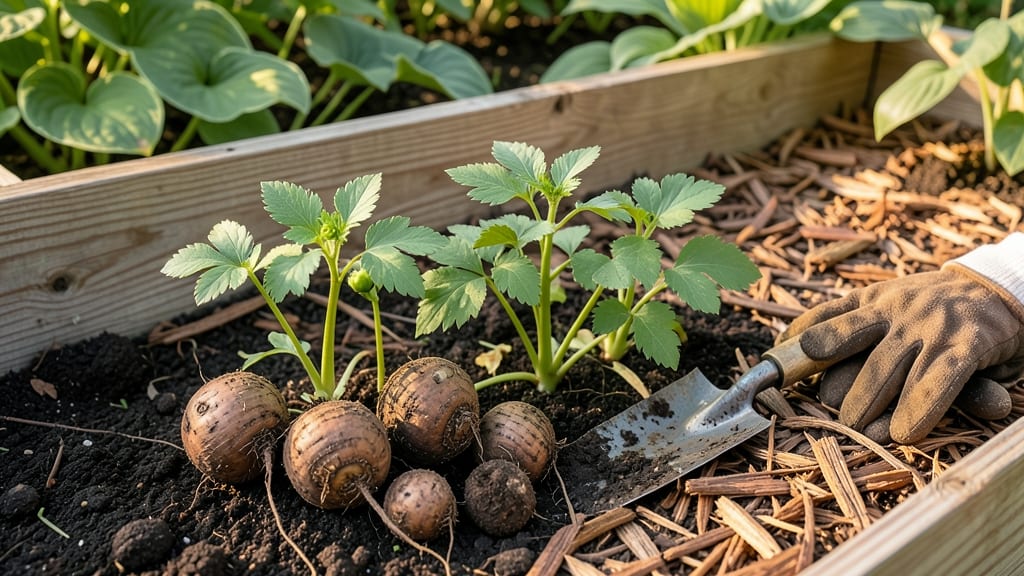
Timing your dahlia planting in Indiana right means the difference between vibrant 🌼 blooms all summer and wasted tubers. Indiana’s Zone 6a climate demands precision—plant too early, and frost will kill your starts; wait too long, and you’ll miss peak bloom season.
Most gardeners assume "after last frost" is enough, but soil temperature is the real game-changer. Dahlias thrive when the ground hits 60°F—typically mid-to-late April in Indiana. That’s why even experienced growers sometimes get it wrong.
In this guide, I’ll break down exactly when to plant (and how to prep your soil) for foolproof dahlias. You’ll learn the 3 key factors Indiana gardeners overlook—plus a simple trick to extend your blooming season until frost.
Ready to turn your garden into a dahlia paradise? Let’s get started with the perfect planting window for Indiana’s unpredictable spring.
Indiana’s ideal soil temperature for planting dahlias (and when to check)
Dahlias thrive when planted in warm soil—not just warm air. In Indiana, your soil temperature should hit 50–60°F before sticking tubers in the ground. Cold soil slows growth or triggers rot, while waiting too long delays those showstopping blooms you crave.
I’ve learned the hard way that Indiana’s last frost date (around April 15) isn’t enough—soil lags behind air temps.
Northern Indiana (Zone 5) often needs to wait until mid-May, while southern Indiana (Zone 6) can plant as early as late April. The key? Checking with a soil thermometer—not guessing.
I keep mine handy and test 6 inches deep, where the roots will grow. Morning readings are most accurate since soil cools overnight.
Here’s my foolproof rule: If your soil thermometer reads below 50°F, hold off. Dahlias are tender perennials, and cold soil stresses them. I’ve seen tubers planted too early develop black, mushy spots—a classic sign of rot from chilly conditions.
Patience pays off with healthier stems and more blooms.
🌱
| Factor | Indiana Zone 5 (North) | Indiana Zone 6 (South) |
|---|---|---|
| Ideal Soil Temp | 55–60°F | 50–55°F |
| Last Frost Date | April 20–May 5 | April 1–April 15 |
| Planting Window | May 10–20 | April 20–May 10 |
| Soil Prep Tip | Add compost to warm soil faster | Mulch after planting to retain heat |
| Risk of Early Planting | Tuber rot from cold soil | Stunted growth, fewer blooms |
Don’t rely on calendar dates alone—Indiana’s microclimates vary wildly. A south-facing slope warms up faster than a shady low spot. I once planted dahlias in my backyard on May 1, only for the north side to stay too cold.
The solution? Test multiple spots with your soil thermometer before committing.
If your soil is still too cold by your target date, try these tricks: Black plastic mulch raises soil temps by 5–10°F, or plant in raised beds, which warm up 2–3 weeks earlier than in-ground soil.
I’ve had success with straw mulch too—it breaks down and adds organic matter while insulating.
Pro tip: Chit your tubers indoors 2–4 weeks before planting. Place them in a bright, cool spot (60–65°F) with the eyes facing up. You’ll see tiny sprouts emerge—proof they’re ready for warmer soil. This head start gives your dahlias a 2-week growth advantage over unchitted tubers.
Once your soil hits the sweet spot of 55–60°F, dig holes 4–6 inches deep and space tubers 12–18 inches apart, depending on variety. Larger dahlias need more room for their sprawling roots.
I like to add a handful of bone meal to the hole—it’s high in phosphorus, which boosts bloom production.
After planting, water deeply but gently to avoid displacing soil. Dahlias hate soggy roots, so ensure your garden bed has well-draining soil. If your soil is clay-heavy, mix in compost or sand to improve drainage.
A 5-minute soil test (dig a hole, squeeze a handful—if it forms a tight ball, amend it!).
🌿
Indiana’s ideal soil temperature for planting dahlias (and when to check)
Indiana gardeners know timing is everything—especially when planting dahlias. While last-frost dates (around April 15) are a starting point, soil temperature is the real game-changer. Dahlias thrive when soil hits 50–60°F, signaling safe planting.
Cold soil triggers rot, while waiting too long risks stunted growth. Northern Indiana’s cooler microclimates may need a 2-week delay compared to southern regions.
Don’t guess—use a soil thermometer ($10 at garden centers) to check 6 inches deep, morning or evening. Test for 3 consecutive days at your planting depth for accuracy. Pro tip: Raised beds warm faster than in-ground soil, giving you a 10-day head start in cooler zones.
🌱 Dahlia Planting Readiness Check
Indiana-Specific| Factor | Northern Indiana (Zone 5) | Southern Indiana (Zone 6) |
|---|---|---|
| Soil Temp Threshold | 55–60°F (wait until May 1) | 50–55°F (safe by April 20) |
| Last Frost Date | April 15–May 1 | April 1–April 15 |
| Ideal Planting Window | May 1–15 (after soil warms) | April 20–May 10 |
| Tuber Prep Time | 4–6 weeks chitting indoors | 3–4 weeks chitting |
Indiana’s microclimates create false starts—urban areas warm faster than rural spots. Test soil in your garden bed, not the driveway. If your zone 5 yard sits in a frost pocket, delay planting until May 10 even if neighbors plant earlier.
Southern Indiana gardeners can push to April 20 in full-sun locations, but always confirm with your local Cooperative Extension office.
Prep soil by amending with compost (2 inches) and perlite (10%) to improve drainage—dahlias hate soggy roots. Work in a balanced fertilizer (10-10-10) at planting time to jumpstart growth. My go-to mix is 50% garden soil, 30% compost, and 20% perlite for perfect aeration.
Once soil hits 60°F, plant tubers 4–6 inches deep, spacing them 12–18 inches apart (larger varieties need more room). Water deeply after planting to settle soil and eliminate air pockets. Mulch with straw (2–3 inches) to retain moisture and regulate temperature—critical in Indiana’s temperature swings.
Monitor your dahlias for new growth (1–2 weeks post-planting). If shoots emerge but wilt, it’s a sign of overwatering or root rot. Adjust watering to 1–2 gallons per plant every 3–5 days, always in the morning to prevent fungal diseases like powdery mildew.