
Plants
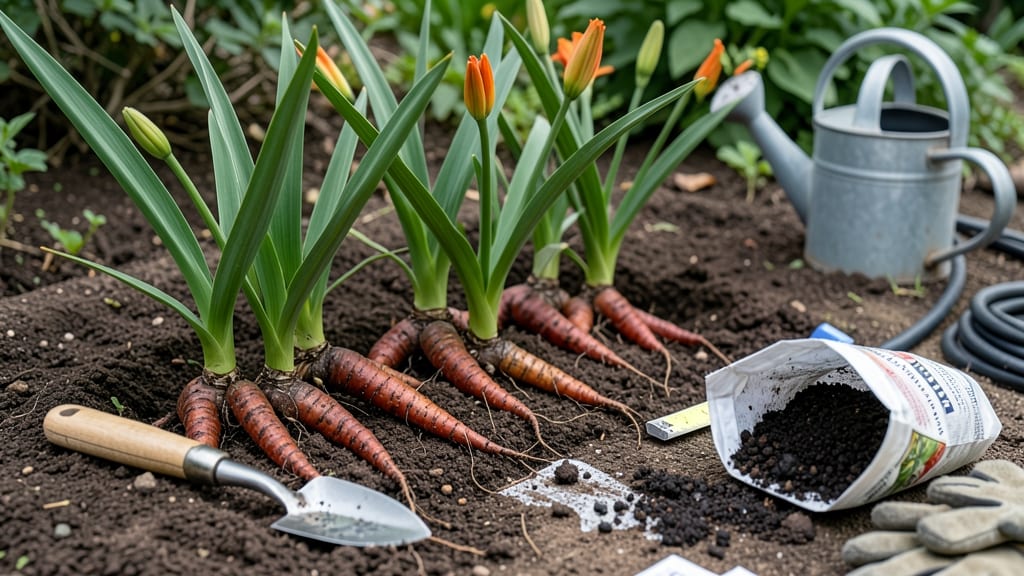
If you're planting daylily bulbs in Zone 5, timing isn't just important—it's the difference between a garden bursting with 🌸 vibrant blooms and one that barely puts on a show.
The key lies in understanding the exact weeks before last frost, when soil temperatures and daylight align perfectly for root growth.
Most gardeners assume daylilies are planted as bulbs, but here's the game-changer: they're actually grown from rhizomes, which need a different approach. Planting too early risks frost damage, while waiting too long can stunt growth before summer's peak.
I'll show you how to nail the late summer to early fall window—the sweet spot for Zone 5 climates.
You'll discover how to prep your soil, spot the perfect planting conditions, and avoid common mistakes that leave daylilies struggling. Whether you're a first-time gardener or a seasoned pro, these insights will help you grow daylilies that thrive year after year.
Let's dive into the science behind timing, so you can enjoy those stunning summer blooms without the guesswork. Your future garden will thank you!

Optimal planting windows for daylily bulbs in Zone 5: exact weeks before frost
First, let’s clear up a common misconception: daylilies aren’t true bulbs—they’re rhizomes. This distinction matters because rhizomes thrive when planted at the right soil temperature and moisture levels.
In Zone 5, timing your planting to avoid frost damage while ensuring roots establish is key to vibrant blooms next summer.
Most gardeners in Zone 5 plant daylily rhizomes in late summer to early fall—typically between mid-August and early September. This window gives roots 4-6 weeks to settle before the first frost, usually around mid-October in most of Zone 5.
Planting too early risks overheated soil, while planting too late leaves rhizomes vulnerable to frost heave.
The ideal soil temperature for planting daylilies is between 60°F and 70°F. Use a soil thermometer to check—this range ensures roots grow actively without stress. In northern Zone 5 (e.g., Minneapolis), aim for late August planting, while in southern Zone 5 (e.g., St. Louis), early September works best.
🌱 Zone 5 Daylily Planting Summary
| Season | Best Planting Window | Soil Temp | Frost Risk |
|---|---|---|---|
| Fall | Mid-August to early September | 60°F–70°F | Low (4–6 weeks before frost) |
| Spring | Early May (after last frost) | 55°F–65°F | None (established roots) |
| Avoid | June–July or October | N/A | High (heat stress or frost damage) |
✅ Pro Tip: Use your local frost date (check USDA Plant Hardiness Map) to calculate your exact window.
For spring planting, wait until after the last frost date (typically mid-May in Zone 5) and soil warms to 55°F–65°F. Spring-planted rhizomes may bloom 1–2 weeks later than fall-planted ones but still thrive.
The trade-off? Spring planting skips the fall establishment period, so roots take longer to spread.
Regional variations matter in Zone 5. In northern areas like Duluth, MN, plant by August 15 to avoid early frosts. In southern areas like Kansas City, MO, you can extend planting until September 10. Always check your microclimate—low-lying areas frost earlier than slopes.
One critical mistake is planting daylily rhizomes too deep. They should sit just below soil level, with the crown (neck) exposed. Burying them too deep suffocates the plant, while planting too shallow risks frost damage.
Use a gardening fork to loosen soil to 12 inches deep before planting for optimal root growth.
After planting, water deeply once a week to encourage root development. Mulch with 2–3 inches of straw to insulate rhizomes in winter and retain moisture. In Zone 5’s harsh winters, this mulch layer can mean the difference between survival and loss.
Monitor your daylilies for new fan growth by early summer. If planted correctly in fall, you’ll see strong, healthy foliage by June, followed by bold blooms in July and August. Missed the fall window? Spring planting still works—just be patient for season-one blooms.
Remember: Zone 5 daylilies reward precise timing with years of low-maintenance color. Whether you’re a beginner or veteran gardener, nailing this 4–6 week pre-frost window sets your plants up for success.
Optimal planting windows for daylily bulbs in Zone 5: exact weeks before frost
First, let’s clear up a common misconception: daylilies aren’t planted as bulbs but as rhizomes. These thick, fleshy roots need the right timing to establish strong roots before winter.
In Zone 5, the best window is 4-6 weeks before the first frost, typically late August to early September.
For precise timing, check your last frost date—most Zone 5 areas experience it around October 10. Planting 6-8 weeks before ensures rhizomes develop roots before cold sets in.
Northern Zone 5 (e.g., Chicago) may need earlier planting, while southern areas (e.g., St. Louis) can wait until early September.
| Stage | Action | Soil Temp |
|---|---|---|
| Pre-Plant | Test soil temp (use a thermometer) | 60°F+ |
| Planting | Plant rhizomes 2" deep, 12" apart | 55-65°F |
| Post-Plant | Water deeply, mulch with 2" organic | Cool but above 40°F |
Spring planting is possible but riskier. If you plant in April or May, ensure the soil is warm (60°F+) and frost-free for at least 4 weeks.
Early spring rhizomes may rot if soil stays cold. For best results, fall planting gives rhizomes a head start on root growth before winter dormancy.
Pro tip: Use a soil thermometer to confirm 55-65°F soil temps before planting. If temps drop below 50°F, delay planting until conditions improve. Cold soil slows root establishment, leading to weak plants next season.
Regional adjustments matter! In northern Zone 5, aim for late August planting, while southern Zone 5 can extend to mid-September. Always account for 2-3 weeks of buffer in case of early frost.
Once planted, water deeply for the first 2 weeks to encourage root growth. Mulch with straw or shredded leaves to insulate rhizomes during winter. With the right timing, your daylilies will reward you with bold blooms next summer!