
Plants
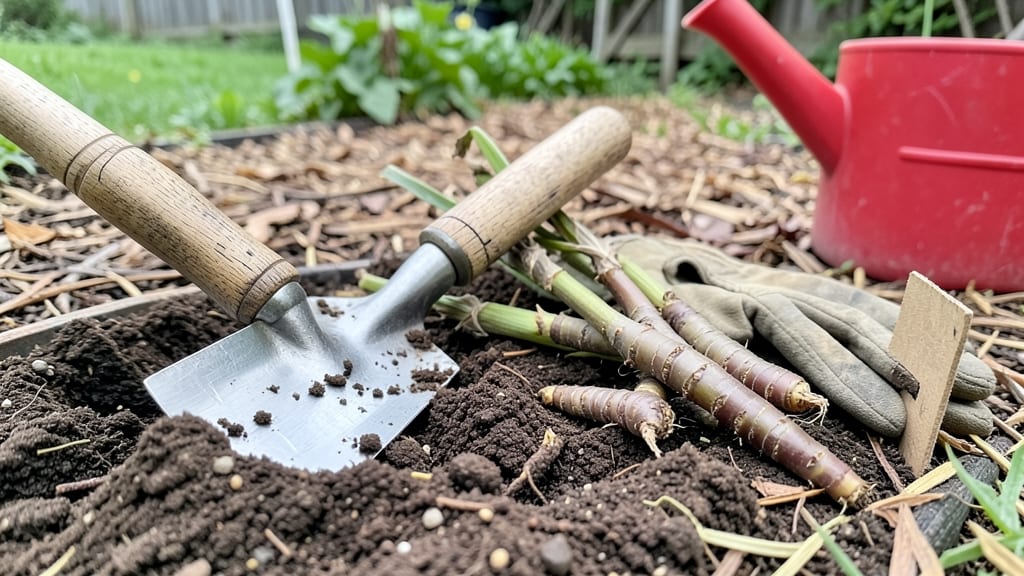
Best months to plant daylily bulbs in Zone 9 for maximum blooms
First, let’s clear up a common misconception: daylilies don’t grow from bulbs—they thrive from rhizomes. In Zone 9, timing is everything to avoid heat stress or missed blooms.
The ideal window spans two seasons: early fall and late winter. Planting in these periods gives rhizomes time to establish roots before summer’s peak heat.
In Zone 9, soil temperatures above 85°F can shock new rhizomes, while waiting too late in spring risks stunted growth. I’ve found that September through November offers the perfect balance—cooling soils and mild temperatures.
For a second chance, late winter (February to early March) works too, especially in coastal areas where winters are milder.
Your microclimate plays a huge role. Inland areas like Phoenix may need to plant earlier (August-September) to beat the heat, while coastal regions like San Diego can extend planting into December. Always check your local last frost date—though Zone 9 rarely sees frost, erratic cold snaps can occur.
Here’s the golden rule: plant when soil temps drop below 75°F. Use a soil thermometer to confirm—this is your cue that roots won’t cook. In my Zone 9b garden, I wait until late September to plant, giving rhizomes 6-8 weeks to root before winter rains arrive.
| Planting Window | Soil Temp Threshold | Bloom Timeline | Zone 9 Microclimate |
|---|---|---|---|
| Early Fall (Sept-Oct) | Below 75°F | Spring blooms (March-May) | Inland: Sept Coastal: Oct-Nov |
| Late Winter (Feb-Mar) | 50-65°F | Summer blooms (June-Aug) | Coastal only (milder winters) |
| Avoid: Summer (June-Aug) | Above 85°F | Stunted growth | Never plant in peak heat |
🌡️ Soil temperature is your best guide—never guess!
If you’re planting in late winter, choose heat-tolerant varieties like 'Stella de Oro' or 'Happy Returns'—they bounce back faster from heat stress. For fall planting, focus on early bloomers to enjoy spring flowers. I’ve seen first blooms just 60 days after planting in ideal conditions!
Pro tip: Soak rhizomes for 1-2 hours before planting to kickstart root growth. This is especially critical in Zone 9’s dry climates. After planting, water deeply to settle soil and encourage root contact. Mulch with 2-3 inches of straw to retain moisture and regulate soil temps.
Watch for heat stress signs like yellowing leaves or wilting—these mean your rhizomes are struggling. Adjust watering to deep, infrequent soaks (every 7-10 days) once established. In my garden, mature daylilies handle Zone 9 heat beautifully once roots are deep!
For container gardening, plant rhizomes in well-draining pots with a fast-draining mix. Containers heat up faster, so plant in shadier spots or use light-colored pots to reflect heat. I’ve had great success with dwarf varieties like 'Little Grapette' in containers on patios.
Remember: Daylilies are forgiving but not invincible. The key to Zone 9 success lies in timing, soil prep, and heat management. With these tips, you’ll enjoy bold blooms from spring to fall—even in the desert sun! 🌸
Best months to plant daylily bulbs in Zone 9 for maximum blooms
Daylilies thrive in Zone 9 but need precise timing to avoid heat stress or missed blooms. The ideal window is early fall (September-October) or late winter (March-April), when soil temps stay cool but frost risk is low.
Planting in summer heat risks root burn, while planting too late can delay next year’s flowers.
Inland areas like Arizona or Southern California have hotter microclimates—aim for September planting to let roots establish before summer’s peak. Coastal regions can extend planting into early November thanks to milder temperatures. Always check soil temperature (ideal: 60-70°F) before planting.
| Planting Window | Soil Temp | Bloom Timing | Microclimate Notes |
|---|---|---|---|
| Early Fall (Sept-Oct) | 60-70°F | Spring blooms (60-90 days) | Best for inland areas |
| Late Winter (March-April) | 55-65°F | Summer blooms (90-120 days) | Coastal regions only |
| Avoid Summer (June-Aug) | Above 80°F | Root shock risk | Never plant in peak heat |
For fastest establishment, plant daylily rhizomes (not bulbs—they’re actually rhizomes!) 2-3 inches deep with the crown visible. Space them 18-24 inches apart to allow airflow and reduce fungal risks. In sandy soils (common in Zone 9), mix in compost to retain moisture without suffocating roots.
After planting, water deeply once to settle soil, then reduce to weekly deep waterings until established. Mulch with 2-3 inches of straw to retain moisture and block weeds. This prep work ensures your daylilies bloom within 60-90 days, even in Zone 9’s heat.
Pro tip: If you miss the fall window, soak rhizomes in water for 1 hour before planting in March. This jumpstarts root growth in the cooler soil. Just avoid planting when daytime temps exceed 90°F—roots will cook!
With the right timing and care, your Zone 9 daylilies will reward you with bold blooms from spring to fall, proving heat isn’t their enemy—just a challenge to outsmart. 🌸