
Plants
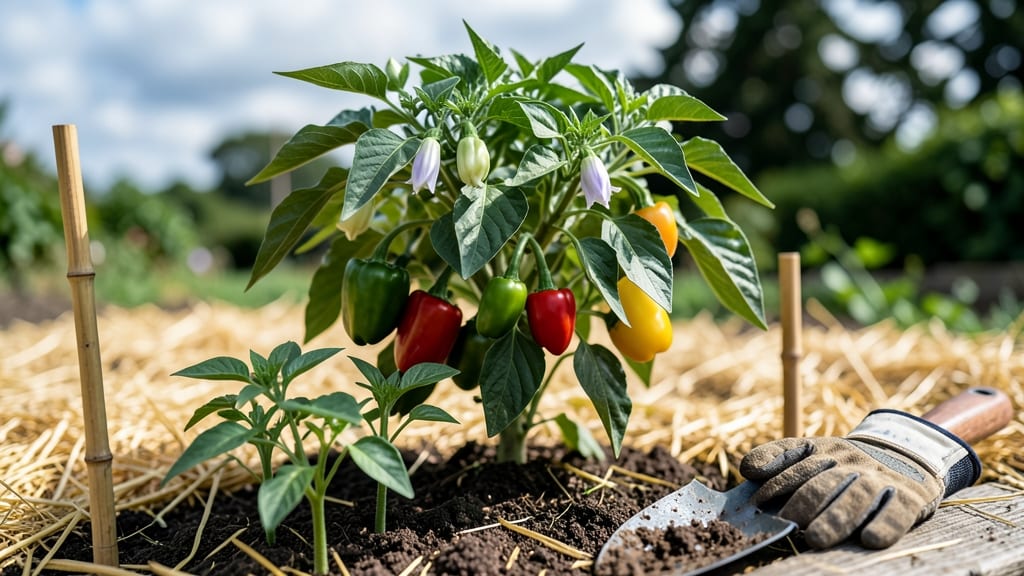
Timing your bell pepper 🌶️ planting in Southern California isn’t just about avoiding frost—it’s about beating the heat and preventing those plants from bolting before they produce a single pepper.
With year-round growing potential in zones 9b-11, you’ve got two prime windows to work with, but one wrong move could turn your garden into a sad, flower-filled disappointment.
Most gardeners here swear by spring planting, but the real secret lies in understanding your microclimate—coastal areas stay cooler longer, while inland zones can turn scorching by May.
I’ll break down exactly when to plant for maximum yields, whether you’re starting seeds indoors or transplanting those heat-tolerant varieties that actually thrive in SoCal’s summer.
You’ll also discover why August-September plantings work surprisingly well (spoiler: it’s all about escaping the peak heat), plus soil prep tricks that keep your peppers growing strong instead of bolting. Let’s get those 🌶️ plants in the ground at the perfect moment—no guesswork, just guaranteed harvests.
From transplanting tips to variety recommendations, I’ll cover everything you need to know to turn your Southern California garden into a pepper-producing powerhouse. Ready to stop the bolting and start the harvesting?
Optimal bell pepper planting timeline for Southern California’s microclimates
Southern California’s diverse microclimates—from coastal Santa Barbara to inland Palm Springs—create a unique challenge for growing bell peppers. Unlike northern climates, we don’t have to worry about frost, but heat stress and bolting become major concerns if planted at the wrong time.
The key is timing your plantings to avoid summer’s scorching heat while maximizing the mild winter months.
Most gardeners in SoCal focus on two main planting windows: late winter for spring harvests and late summer for fall production. However, coastal areas like San Diego can extend this slightly earlier, while inland desert regions may need to adjust for earlier heat onset.
Understanding your specific microclimate’s last spring frost date (though rare) and heat wave patterns is crucial for success.
Here’s how to align your planting schedule with Southern California’s unique growing seasons to avoid bolting and maximize yields:
For spring plantings, aim to get seeds in the ground by late February to early March. This gives your plants enough time to establish roots before the April heat wave hits inland areas.
Coastal regions can start as early as mid-January, but be prepared to provide afternoon shade if temperatures exceed 85°F (29°C).
Transplanting is often easier than direct sowing in Southern California. Start seeds indoors 8-10 weeks before your target outdoor date (around December for spring plantings) to give them a head start.
Use biodegradable pots to avoid disturbing roots when transplanting, and harden off seedlings for 7-10 days before moving them outside.
If you’re growing in containers, choose 5-gallon pots or larger to accommodate mature root systems. Container-grown peppers dry out faster in our dry climate, so drip irrigation is your best friend. I’ve found that self-watering planters with moisture sensors work exceptionally well for peppers in urban settings.
For fall plantings, the window is narrower—typically August to mid-September. This timing allows peppers to mature before the holiday season when demand peaks. Avoid planting after mid-September unless you’re in a coastal area with cooler microclimates, as peppers need 60-70 days to mature from transplanting.
One of my biggest lessons learned? Never rush fall plantings to extend the season. Peppers planted too late in September often struggle with shortened daylight hours and cooler nights, leading to poor fruit set.
Instead, focus on heat-tolerant varieties and provide row covers for early morning frost protection in high-elevation areas.
Pro tip: Use a soil thermometer to monitor temperatures before planting. Bell peppers won’t germinate well below 60°F (15°C), and soil that’s too cold can lead to damping off in seedlings.
In coastal areas, morning fog can keep soil temperatures artificially low, so wait until the afternoon sun warms the ground before planting.
Optimal bell pepper planting timeline for Southern California’s microclimates
Southern California’s diverse climate—from coastal breezes to inland heat—means bell peppers can grow year-round, but timing is everything. Spring (Feb–Mar) and fall (Aug–Sep) are your sweet spots, avoiding the peak summer heat that triggers bolting (premature flowering).
Coastal areas like San Diego can plant slightly earlier, while inland LA or Riverside should wait until soil warms to 60°F (15°C).
Direct sowing in late winter (Jan–Feb) works for heat-tolerant varieties, but most gardeners prefer transplanting 6–8-week-old seedlings to skip the slow germination phase. Fall plantings (Aug–Sep) take advantage of cooling temps, yielding peppers through winter holidays. Avoid planting in June–July unless you’re using shade cloth—otherwise, bolting is inevitable.
| Region | Best Planting Window | Soil Temp | Harvest Window |
|---|---|---|---|
| Coastal (San Diego, Santa Barbara) | Feb 15–Mar 15 Aug 1–Aug 15 |
55–65°F (13–18°C) | May–Oct Nov–Jan |
| Inland (LA, Riverside, San Bernardino) | Mar 1–Apr 1 Aug 15–Sep 15 |
60–70°F (15–21°C) | Jun–Nov Dec–Feb |
| Desert (Palm Springs, Joshua Tree) | Mar 15–Apr 15 Sep 1–Sep 15 |
65–75°F (18–24°C) | May–Oct Nov–Jan |
For spring plantings, start seeds indoors in January to transplant by mid-February.
Use black plastic mulch to warm soil faster and retain moisture. Fall plantings benefit from drip irrigation to prevent soil-borne diseases in cooler, wetter months. Succession planting every 2–3 weeks ensures a continuous harvest—critical for home gardeners!
Microclimates matter: Mountainous areas like Big Bear can plant 2 weeks later than coastal zones, while urban heat islands (e.g., Downtown LA) may need shade cloth in June–July.
Always check last frost dates (though rare in SoCal) and adjust for elevations above 3,000 ft, where nights can dip below 50°F (10°C).
Pro tip: Test soil pH (ideal: 6.0–6.8) before planting. Amend with compost or aged manure to improve drainage—bell peppers hate soggy roots. Mulch with straw to keep roots cool and conserve water, especially in summer’s brutal heat. 🌱
Remember, transplant shock is real. Hardening off seedlings (acclimating to outdoor conditions) for 7–10 days before planting boosts survival rates. Morning transplanting on cloudy days reduces stress. With the right timing, you’ll enjoy homegrown peppers from spring to winter—no grocery store in sight! ✂️