
Plants
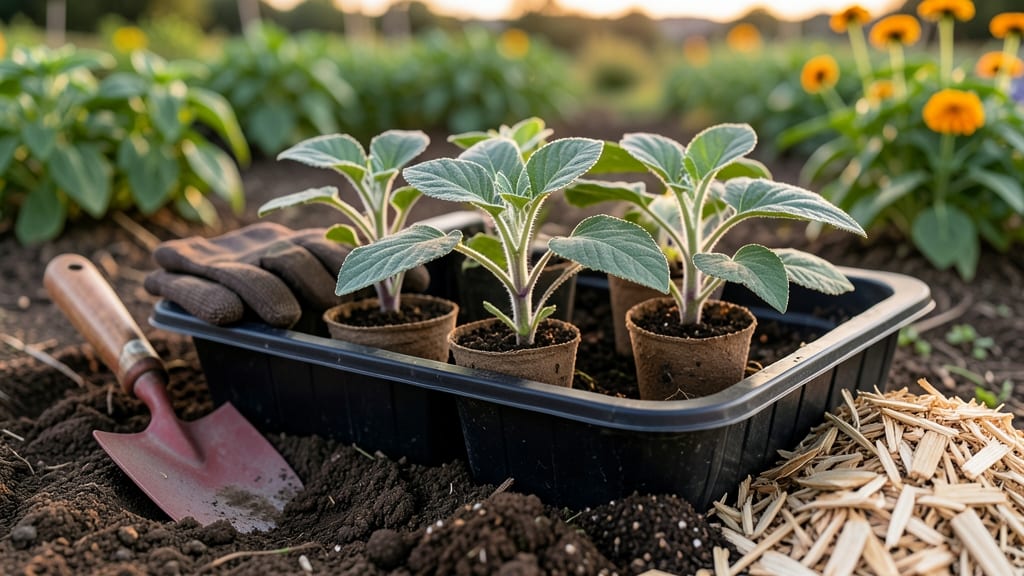
Timing your 🍆 eggplant planting in Southern California isn’t just about the calendar—it’s about avoiding bitter fruit and stunted growth from heat stress or premature bolting.
With the right window, you can grow thriving plants that produce sweet, glossy fruit all season long, whether you're in coastal 10a or inland 9b zones.
Most gardeners make the mistake of planting too early, only to watch their eggplants struggle in the 90°F+ heat that arrives by May.
The key is waiting until soil temperatures hit 70°F+, which typically means transplanting seedlings in late spring—around May to June—or opting for a late-summer restart in August to beat the worst of the heat.
In this guide, I’ll break down the exact planting windows for your region, including heat-tolerant varieties that thrive in Southern California’s climate. You’ll also learn how to extend your harvest with simple tricks like mulching and shade cloth, ensuring you avoid common pitfalls like bolting or poor fruit set.
Ready to grow eggplants that impress? Let’s dive into the perfect timing and pro tips to make your garden a success, no matter where you are in SoCal.
Southern California eggplant planting calendar: exact months to avoid bolting and heat stress
Southern California’s frost-free climate and long growing season make it ideal for eggplant—but timing is everything. Plant too early, and your seedlings will bolt (flower prematurely) from cool soil.
Plant too late, and scorching summer heat can stunt growth. The perfect window balances soil warmth (70°F+) and moderate temperatures (75–85°F).
Coastal areas (like San Diego or Santa Barbara) can start 2–4 weeks earlier than inland zones (e.g., Los Angeles or Riverside) due to cooler microclimates.
Use soil thermometers to confirm readiness—eggplant roots need consistent warmth to thrive. Inland desert regions (like Palm Springs) may even attempt late-summer plantings for fall harvests.
⚠️ CRITICAL: Avoid planting when daytime highs exceed 90°F+ without shade. Eggplants are heat-sensitive and will drop flowers or produce bitter fruit under stress.
| Region | Best Planting Window | Soil Temp Threshold | Harvest Window | Key Tip |
|---|---|---|---|---|
| Coastal (San Diego, Santa Barbara) | March 15 – April 30 | 65–70°F (18–21°C) | June – September | Use light shade cloth in July–Aug |
| Inland (LA, Riverside, San Bernardino) | April 1 – May 15 | 70–75°F (21–24°C) | July – October | Plant transplants, not seeds |
| Desert (Palm Springs, Coachella) | August 1 – September 15 | 75–80°F (24–27°C) | October – December | Use drip irrigation + mulch |
| All Regions (Succession Planting) | Every 2–3 weeks until June 1 | 60°F+ (15°C+) | Staggered harvests | Prevents bolting from overcrowding |
For spring plantings, start seeds indoors 6–8 weeks before your last frost date (though frost is rare, coastal areas may experience light chills in February). Transplant seedlings outdoors only after nighttime temps stay above 55°F (13°C).
Inland gardeners should wait until May to avoid April heat spikes that can shock young plants.
If you miss the spring window, don’t despair—late-summer plantings (August–September) work well in inland areas. Choose heat-tolerant varieties (like ‘Ichiban’) and provide afternoon shade with 30–50% shade cloth to prevent flower drop. Mulch heavily with straw or wood chips to retain moisture and cool roots.
Pro Tip: Southern California’s USDA Zones 9b–11 allow for year-round eggplant growth with proper care. However, July–August is the riskiest month—even drip irrigation may not prevent heat stress without shade. Monitor plants daily for wilting or yellowing leaves, which signal root stress.
To maximize yields, practice succession planting: Sow new seeds or transplants every 2–3 weeks until June 1. This ensures a continuous harvest from July through October. Save seeds from your best-performing plants for next season—local adaptations (like drought resistance) develop over time!
For container growing, use 5-gallon pots with well-draining soil and place in full sun. Move pots to partial shade during peak afternoon heat (1–4 PM). Container-grown eggplants dry out faster, so check soil moisture daily during summer.
Remember: Eggplants are heavy feeders. Amend soil with compost before planting and side-dress with balanced fertilizer (5-10-10) every 4–6 weeks. Avoid over-fertilizing with nitrogen—it promotes leafy growth over fruit. Instead, prioritize phosphorus to boost flowering.
With the right timing and care, your eggplants will reward you with glossy, firm fruit all season long—no bitter surprises! 🌱
Southern California eggplant planting calendar: exact months to avoid bolting and heat stress
Southern California’s frost-free climate and long growing season make it ideal for eggplant—but timing is everything. Plant too early, and your eggplants may bolt (flower prematurely) or develop bitter fruit. Wait too long, and the intense summer heat can stress plants before harvest.
The key? Start seeds indoors 8-10 weeks before your last frost (though frost is rare) or transplant seedlings after soil warms to 70°F+.
For most of Southern California (USDA zones 9b-11), the optimal planting window spans March through June for spring harvests and August through September for fall harvests.
Coastal areas like Malibu or San Diego can plant slightly earlier, while inland zones like Riverside or Palm Springs should delay until April or August to avoid early heat stress.
| Season | Planting Window | Soil Temp | Harvest Time | Notes |
|---|---|---|---|---|
| Spring | March–June | 70°F+ | July–October | Best for coastal areas; use shade cloth in inland zones after May. |
| Fall | August–September | 70°F+ | October–December | Ideal for inland zones; harvest before temperatures drop below 60°F. |
| Succession | Every 2–3 weeks | 70°F+ | Staggered harvests | Extend season by planting new seedlings every 2–3 weeks until July. |
To maximize yields, aim for two planting cycles: one in spring (March–June) and another in late summer (August–September). For example, if you plant seedlings in mid-April, you’ll harvest in July–September.
A second planting in early August will yield fruit in October–November, just before cooler weather arrives. This strategy ensures a continuous supply of fresh eggplant.
For inland areas like the Inland Empire or Coachella Valley, delay planting until after May 1st to avoid the 100°F+ heat that can scorch seedlings.
Coastal regions like Santa Barbara or San Diego can plant as early as February, but monitor soil temperatures—they must stay above 60°F for germination. Use a soil thermometer to check before sowing.
Pro tip: Hardening off seedlings is critical in Southern California’s variable coastal winds. Acclimate seedlings to outdoor conditions over 7–10 days by gradually increasing their exposure to sun and wind. This step prevents transplant shock and ensures stronger, more resilient plants ready to thrive in your garden.
Remember, eggplants are heat-loving plants, but they hate bolting. If temperatures exceed 90°F for prolonged periods, provide 30–50% shade cloth during peak afternoon heat. This simple trick can double your yield by preventing premature flowering.