
Plants
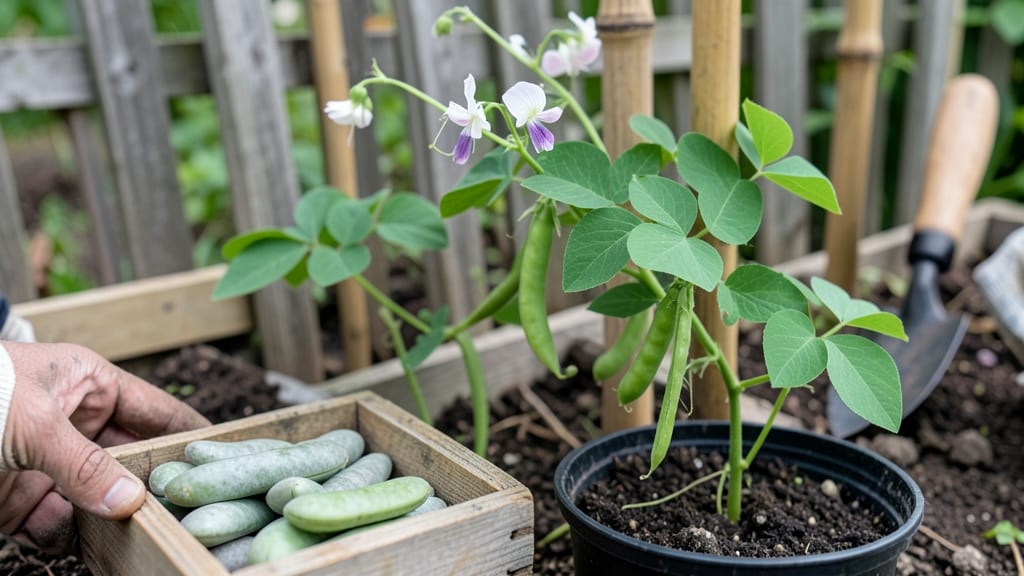
Knowing when to plant English peas in Zone 8 can mean the difference between a bountiful harvest and wasted effort—especially when those tender 🌱 seedlings meet unexpected frost or sweltering summer heat. The ideal window is narrow, but getting it right unlocks sweet, crisp pods that outperform store-bought by miles.
In Zone 8, where winters are mild but frosts can still sneak in, timing matters more than you might think. Plant too early, and your peas could bolt before producing pods.
Too late, and you’ll miss the peak harvest window when flavors are at their best. The secret? A strategic schedule that aligns with your local frost dates and soil temperatures.
I’ll break down the exact weeks before last frost for both spring and fall plantings—plus how to adjust for Zone 8’s microclimates. Whether you’re a first-time gardener or a seasoned green thumb, these tips will help you avoid common pitfalls and maximize your yield.
Ready to grow peas that thrive? Let’s dive into the precise planting calendar and pro tips tailored just for Zone 8 growers.

Zone 8 pea planting calendar: exact weeks before last frost for best germination
English peas thrive in Zone 8’s mild winters, but timing is critical to avoid frost damage or heat stress. The last frost date in Zone 8 typically falls around mid-December, while the first frost arrives in mid-January.
For spring planting, aim to sow seeds 4-6 weeks before your last frost date—usually mid-February to early March. This ensures seedlings emerge when soil temperatures reach 40°F (4°C), their minimum germination threshold.
Fall planting offers a second harvest window in Zone 8. Start sowing 8-10 weeks before the first frost, typically late August to early September.
This schedule lets peas mature before winter sets in, though varieties like ‘Sugar Snap’ may need protection from late-season chills. Soil temperature should stay above 50°F (10°C) for optimal growth.
Zone 8’s microclimates—like coastal areas with milder winters or inland zones with colder snaps—can shift planting windows by 2-3 weeks. Use a frost-free date calculator (like the Old Farmer’s Almanac) to pinpoint your local last frost date.
For example, Los Angeles (Zone 10) may plant peas year-round, while Phoenix (Zone 9) should avoid summer heat by sticking to fall or winter sowing.
Pea seeds germinate best in cool soil (40-75°F / 4-24°C), but soil warming can speed up spring planting. Use black plastic mulch or a cold frame to raise soil temperatures 5-10°F earlier in the season.
This trick is especially useful in Zone 8’s inland valleys, where nights can still dip below freezing in early spring.
🌱Pro Tip: Test soil moisture before planting—peas hate soggy roots. Aim for consistently moist (not waterlogged) soil to prevent root rot, a common issue in Zone 8’s humid summers.
🌱 Zone 8 Pea Planting Comparison
| Season | Planting Window | Soil Temp Requirement | Frost Risk | Harvest Window |
|---|---|---|---|---|
| Spring | Mid-February to Early March | 40-75°F (4-24°C) | Low (after last frost) | April to June |
| Fall | Late August to Early September | 50-70°F (10-21°C) | Moderate (late frosts) | October to November |
| Late Summer (Succession) | June to July (shade cloth) | 60-75°F (16-24°C) | High (heat stress) | August to September |
🌱 Note: Coastal Zone 8 areas can extend fall planting by 2-3 weeks due to milder winters.
Peas in Zone 8 face unique challenges like late spring frosts or summer bolting. To mitigate these, plant cold-hardy varieties like ‘Lincoln’ in fall or use row covers for early spring sowings.
For succession planting, sow seeds every 2 weeks from February to July to stagger harvests and avoid gaps in production.
🌿Key Takeaway: Zone 8’s frost-free window (about 240 days) allows for two full pea harvests—spring and fall—if you plan carefully. Prioritize soil temperature over calendar dates, and always monitor local weather forecasts for unexpected cold snaps.
For coastal Zone 8 gardens, like those in San Diego, you can even try year-round planting with shade cloth during summer months. However, inland areas should avoid summer planting due to heat stress, which causes peas to bolt prematurely.
Instead, focus on fall and early spring for the best yields.
💡Expert Tip: If your Zone 8 soil drains poorly, amend it with compost or sand before planting. Peas prefer well-draining soil to prevent root diseases, which thrive in waterlogged conditions common in
How to adjust pea planting for Zone 8’s fall vs. spring conditions
Zone 8’s mild winters and unpredictable weather make pea planting timing a balancing act. Unlike colder zones, you can grow peas in both fall and spring, but each season demands a different strategy to avoid frost damage or bolting.
Let’s break down how to adapt your schedule for maximum success.
For spring plantings, aim to sow seeds 6-8 weeks before your last frost date—typically between late February and early March in Zone 8. This timing ensures seedlings emerge when soil temperatures hit 40-50°F, ideal for germination.
Coastal areas may start slightly earlier, while inland regions should wait until mid-March to avoid late frosts.
Fall plantings offer a second harvest window but require caution. Sow seeds 8-10 weeks before your first frost (usually August to early September). Cold-hardy varieties like ‘Lincoln’ can tolerate light frosts, but avoid planting too early—soil temperatures above 75°F can trigger bolting (premature flowering).
Here’s how to handle Zone 8’s quirks: Use black plastic mulch in spring to warm cold soil faster, or row covers in fall to protect tender seedlings.
Succession planting every 2 weeks in spring extends your harvest, while a second fall crop in late summer can yield pods before winter sets in.
Timing: Late February–early March
Soil Temp: 40–50°F for germination
Pro Tip: Use black plastic mulch to warm soil faster
Timing: August–early September
Soil Temp: Below 75°F to prevent bolting
Pro Tip: Choose cold-hardy varieties like ‘Lincoln’
Spring: Every 2 weeks for continuous harvest
Fall: One late-summer crop before frost
Pro Tip: Use row covers for extra protection
Watch for unpredictable Zone 8 weather, like late spring frosts or early heatwaves. If temperatures soar above 85°F, provide afternoon shade to prevent stress. For container growers, use 5-gallon pots filled with cool, moist soil to regulate temperature swings.
Remember: Peas thrive in cool weather. By aligning your planting schedule with soil temps and frost dates, you’ll avoid common pitfalls and enjoy a longer harvest window—whether in spring or fall. 🌱