
Plants
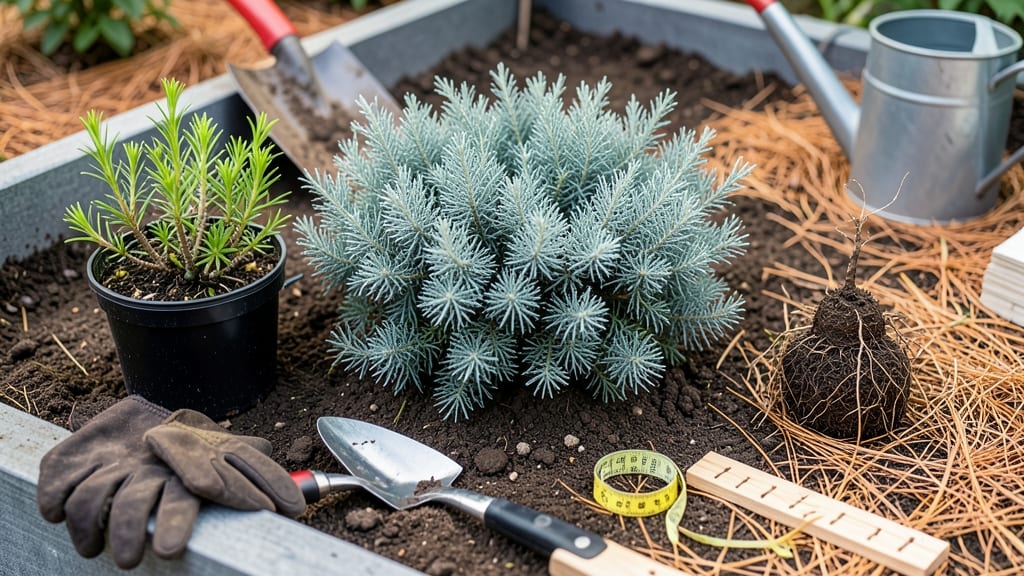
If you've ever wondered when to plant evergreens in Zone 6, timing isn't just about the calendar—it's about giving your 🌲 a fighting chance against winter's worst. Plant too early, and your evergreen might struggle to establish roots before the cold sets in.
Plant too late, and frost can damage tender new growth before it even gets a chance to settle.
Here's the secret: the best window for planting evergreens in Zone 6 is a narrow but critical period—typically between mid-September and early November. This timing lets your evergreen develop strong roots before winter dormancy kicks in, while avoiding the extreme cold of late fall.
Think of it as giving your plant a head start on survival.
But not all evergreens are created equal. Some varieties, like cold-hardy pines or spruces, can handle a later planting, while others need the extra time to adjust.
I'll walk you through how to assess your specific plants, prepare the soil, and protect them from frost—so you can confidently plant knowing your evergreens will thrive.
Whether you're adding a towering pine or a compact shrub to your landscape, getting this right means fewer winter worries and more vibrant growth come spring. Let's dive into the exact steps to make your evergreens stronger and more resilient from day one.

Optimal planting months for evergreens in Zone 6: balancing root growth and frost risk
In Zone 6, the ideal window for planting evergreens is a 6-week period between mid-September and early November. This timing lets roots establish before winter dormancy while avoiding the stress of summer heat or early frost.
Evergreens planted too late may not harden off in time, leaving them vulnerable to winter burn or transplant shock.
Container-grown evergreens offer more flexibility than bare-root plants. They can handle late fall planting (up to November 15) because their root systems are already established. Bare-root varieties, however, must be planted 4-6 weeks before frost—typically by October 1 in most of Zone 6—to avoid root desiccation.
Soil temperature plays a critical role. Aim for 50-65°F soil temps, which is common in Zone 6 from late September through October. Use a soil thermometer to confirm—cool but not frozen soil is perfect for root growth. If temps drop below 40°F, roots slow down, delaying establishment.
Microclimates within Zone 6 can shift planting windows by 2-3 weeks. Coastal areas with milder winters may extend the window to mid-November, while inland regions should plant by October 15.
Check your last frost date (typically October 15 in Zone 6) and plant 6-8 weeks before to ensure safety.
Early fall planting (September) gives evergreens 8-10 weeks of growing season to establish roots. This is ideal for larger trees or species like arborvitae, which need time to recover from transplanting. Smaller shrubs, such as dwarf spruces, can tolerate late fall planting if soil stays workable.
| Planting Window | Soil Temp | Root Establishment | Best For |
|---|---|---|---|
| Mid-September to October 1 | 50-65°F | 8-10 weeks before frost | Large trees, slow-growing species |
| October 2 to November 15 | 40-50°F | 4-6 weeks before frost | Container-grown plants, shrubs |
| Late November (coastal only) | Above freezing | Minimal root growth | Hardy species only |
🌱 Pro Tip: Mulch heavily after planting to insulate roots.
Spring planting (March-April) is a second-best option for evergreens in Zone 6. While it avoids winter risks, plants face summer heat stress if not established early. Prioritize bare-root plants in spring, as they wake up faster than container-grown varieties. Water deeply 2-3 times per week until roots spread.
Evergreens planted in June or July risk transplant shock from heat and drought. If you must plant in summer, choose shade-tolerant species like rhododendrons or pieris, and provide daily shade cloth for the first 4 weeks.
Always water at the soil line, not the foliage, to prevent fungal issues.
Local nurseries often mark bare-root plants with seasonal labels. Follow these guidelines: Fall-planted bare-root should go in September-October, while spring-planted bare-root is best in March-April. Container-grown evergreens are more forgiving—plant them anytime soil isn’t frozen, but avoid extreme heat.
After planting, monitor your evergreens for needle browning, a sign of stress. In Zone 6, this often means winter burn from dry winds. Apply a 2-3 inch layer of mulch (pine straw or shredded bark) around the base to retain moisture and regulate soil temps.
Water deeply but infrequently—evergreens hate soggy roots but thrive with consistent moisture.
Optimal planting months for evergreens in Zone 6: balancing root growth and frost risk
In Zone 6, evergreens need 4-6 weeks of root establishment before winter dormancy. The best window spans from mid-September to early November, when soil temperatures stay above 40°F (4°C) but nights begin to cool. This balance lets roots grow without risking frost damage.
Container-grown evergreens adapt better to late planting than bare-root varieties. Their established root balls reduce transplant shock, allowing you to extend your window into late November—just protect them with extra mulch if frost arrives early.
🌲 Key rule: Avoid planting when soil temps drop below 40°F (4°C). Use a soil thermometer to check—roots struggle to grow in cold soil, increasing winter vulnerability.
| Month | Soil Temp | Root Growth | Frost Risk |
|---|---|---|---|
| September | 50-65°F (10-18°C) | Fast (ideal) | Low |
| October | 45-55°F (7-13°C) | Moderate | Moderate |
| November | 40-45°F (4-7°C) | Slow | High |
🌱 Best months highlighted for Zone 6 evergreens
Early fall planting (September) gives evergreens 6-8 weeks of root growth before frost. For example, arborvitae and spruce thrive when planted by mid-October, while pine varieties need even earlier timing due to slower root development.
Check your local frost date—Zone 6 averages October 15, but microclimates (like urban areas) can delay frost by 1-2 weeks. Plant 4 weeks before your expected frost date for safety.
🌿 Pro tip: Water deeply 2-3 times per week after planting to encourage root spread. Use mulch 3-4 inches thick to insulate roots and retain moisture during fall's drying winds.