
Plants
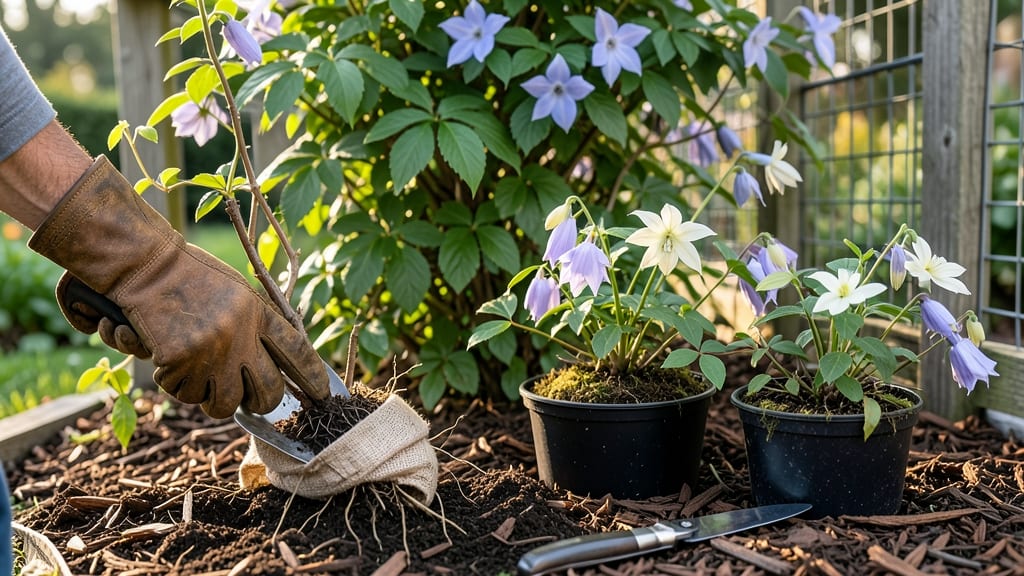
Timing your clematis planting in Indiana’s USDA Zones 5b-6b can make or break your vine’s survival—get it wrong, and you might end up with weak roots or stunted blooms. The 🌸 clematis thrives when planted at the right moment, but Indiana’s unpredictable frosts and shifting soil temperatures demand precision.
Most gardeners swear by early spring planting (March-April) when the ground thaws but before the last frost hits around April 15. This gives roots 6-8 weeks to establish before summer heat sets in. But fall planting (September-October) also works—if you time it right.
Here’s the key: whether you’re a first-timer or a seasoned gardener, knowing the exact deadlines for Indiana’s climate is what separates a struggling vine from one that climbs, blooms, and thrives year after year.
I’ll walk you through the best windows, soil prep secrets, and how to protect your clematis from Indiana’s tricky frost dates—so you can enjoy those stunning 🌸 flowers without the guesswork.
Best planting windows for clematis in Indiana’s Zone 5-6 climate
Indiana’s USDA Zones 5b-6b create a unique challenge for clematis growers, where timing is everything. The ideal planting windows are early spring (March-April) or early fall (September-October), but missing these doesn’t mean failure—just adjustments.
The key is soil temperature, which should be above 40°F (4°C) for root growth to begin.
Spring planting gives clematis 6-8 weeks of warm soil before summer heat arrives, while fall planting allows roots to establish before winter dormancy. Indiana’s last frost date (around April 15) and first frost date (around October 15) bookend these windows perfectly.
Planting too early risks frost damage, while planting too late leaves roots vulnerable to winter stress.
Here’s the breakdown of optimal planting months based on Indiana’s climate, including soil conditions and frost risks:
For Indiana gardeners, spring planting in April is ideal because it aligns with soil warming and post-frost stability. Clematis planted in April will often flower the same year, provided they receive consistent moisture and 6+ hours of sunlight.
However, if you miss spring, September is your next best shot—just ensure roots have 4-6 weeks to establish before frost.
If you’re planting in late spring (May), expect delayed blooms the first year, but the vine will compensate with stronger growth in subsequent years. The trade-off? You’ll need to water deeply and mulch heavily to prevent drought stress during Indiana’s hot, dry summers.
Avoid planting after mid-October, as roots won’t have enough time to harden off before winter.
Pro tip: Use a soil thermometer to check temperatures before planting. Clematis roots thrive when soil is between 50-60°F (10-15°C). In Indiana’s Zone 5-6, this typically happens by mid-April in most years, but southern Indiana (closer to Zone 6) may see earlier conditions.
One common mistake in Indiana is planting clematis too deep. The crown should sit 2-3 inches below soil level to protect it from frost heave in winter.
Pair this with a trellis or support structure immediately—clematis vines grow 3-5 feet per year, and without support, they’ll flop and struggle.
For gardeners in northern Indiana (Zone 5b), where frosts linger longer, fall planting is riskier due to early freezes. Stick to spring planting or wait until late September if you prefer fall.
In southern Indiana (Zone 6b), fall planting is safer, with October 1 being the ideal cutoff date.
Remember: Clematis is a patient plant. Even if you plant outside the ideal window, it will recover with proper care. The goal is root establishment—whether you achieve it in spring or fall, your clematis will thank you with vibrant blooms for years to come. 🌸
Best planting windows for clematis in Indiana’s Zone 5-6 climate
Indiana’s USDA Zones 5b-6b create a unique challenge for clematis planting—too early and frost zaps tender roots, too late and summer heat stresses new plants.
The ideal windows are early spring (March-April) or early fall (September-October), when soil temps hover between 40-60°F (4-15°C)—perfect for root establishment without extreme stress.
Spring planting gives clematis 3-4 months of root growth before summer heat, while fall planting lets roots settle before winter dormancy. Missing these windows? Don’t panic—late spring (May) can work with extra care, but avoid planting after June 15 when summer heat peaks.
Soil temperature is your best guide: Use a soil thermometer to confirm 50°F (10°C) minimum. In Indiana, this typically aligns with mid-April for spring and mid-September for fall, but watch for unpredictable frost dates—especially in Zone 5b where late frosts can linger into May.
| Planting Window | Best Months | Soil Temp | Key Considerations |
|---|---|---|---|
| Early Spring | March–April | 40–60°F (4–15°C) | Maximize root growth before summer; protect from late frosts. |
| Early Fall | September–October | 50–65°F (10–18°C) | Avoids summer heat; roots establish before winter dormancy. |
| Late Spring (Alternative) | May (before June 15) | 60–70°F (15–21°C) | Risk of heat stress; prioritize shade and watering. |
For Zone 5b gardeners, prioritize fall planting (September) to avoid late spring frosts, while Zone 6b gardeners have more flexibility with April or late September options. Always check your local Indiana State Climate Office for frost predictions—average last frost dates vary by 1-2 weeks across the state.
Pro tip: If planting in fall, choose hardy varieties like ‘Jackmanii’ or ‘Nelly Moser’—they tolerate cold better than delicate types like ‘Henryi’. For spring planting, opt for container-grown clematis to minimize transplant shock in Indiana’s variable soils.
Missed the window? Container planting extends your timeline—just move pots indoors during extreme cold snaps (below 20°F (-7°C)). With the right timing, your clematis will reward you with vibrant blooms by summer’s end—worth the wait! 🌸