
Plants
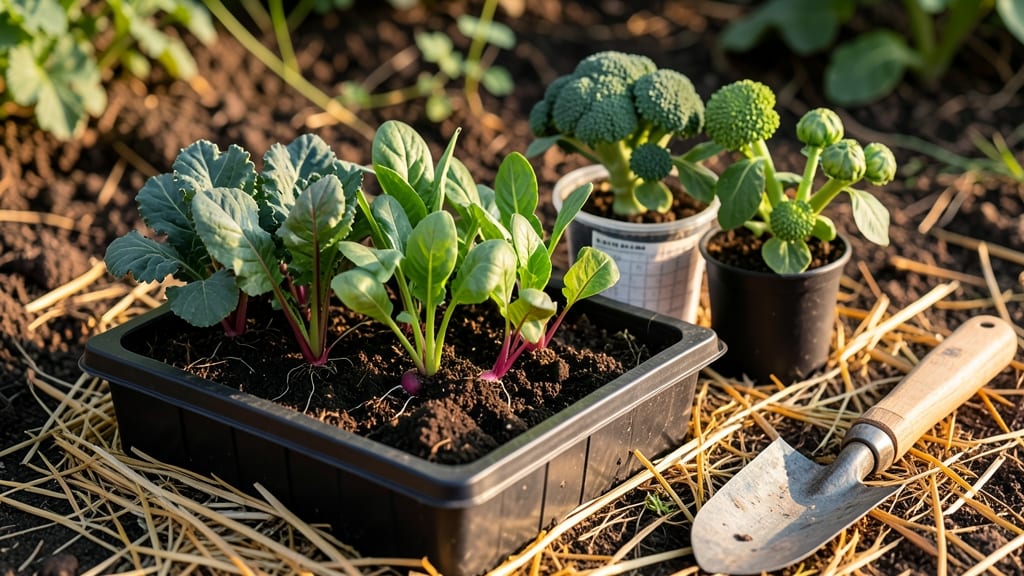
If you’ve ever wondered when to plant fall crops in Zone 6, the answer is a resounding no—it’s never too late to extend your harvest right through winter.
Planting late-summer crops like 🌱 kale, spinach, and carrots isn’t just possible; it’s your chance to enjoy fresh veggies long after summer’s heat fades. The key? Timing it perfectly before that first frost sneaks in around late October.
Most gardeners assume spring is the only planting window, but fall crops actually thrive when days grow shorter and cooler. With just 4-6 weeks before the ground freezes, you can still harvest fresh produce well into winter.
Whether you’re a beginner or a seasoned gardener, knowing the right varieties and planting schedule makes all the difference.
I’ve tested these methods myself, and the results speak for themselves: hardier plants that mature quickly and sweeten up after frost. From broccoli to radishes, we’ll break down exactly when to sow each crop—and how to protect them if early cold rolls in.
Let’s get your fall garden growing the right way.
Ready to swap those empty beds for a winter bounty? The clock is ticking, but with the right approach, your fall crops will be flourishing before you know it. Let’s dive into the exact steps to make it happen.

Fall planting timeline for Zone 6: exact weeks before frost
In Zone 6, where the average first frost arrives around October 30, timing is everything for fall crops. The rule of thumb? Plant 4-6 weeks before frost to ensure a harvest before temperatures drop.
For most gardeners, this translates to mid-August to early October, depending on your specific microclimate and crop type.
For example, fast-growing radishes can be sown as late as September 15 and still mature before frost, while broccoli needs a full 60-80 days to harvest, so it should go in by early September. Understanding these windows helps you avoid the disappointment of crops bolting or freezing before maturity.
| Crop | Days to Maturity | Last Planting Date (Zone 6) | Notes |
|---|---|---|---|
| Leafy Greens (Spinach, Lettuce) | 30-50 days | September 15-October 1 | Fast-growing; can tolerate light frost |
| Root Vegetables (Carrots, Radishes) | 40-60 days | September 1-September 20 | Radishes mature quickly; carrots need consistent soil |
| Brassicas (Broccoli, Kale, Brussels Sprouts) | 60-90 days | Early August-September 15 | Start early for full-size harvests; kale sweets after frost |
| Garlic | 120-180 days (overwintering) | October 1-November 1 | Plant cloves for next year's harvest; needs cold dormancy |
One critical factor to consider is soil temperature. Most fall crops prefer soil temps between 45°F and 75°F. If your soil is still warm (above 80°F) in late summer, delay planting until temperatures drop.
You can test soil temp with a soil thermometer or by pressing your hand into the ground—if it feels too hot, wait a few weeks.
Another strategy is to stagger your plantings every 2-3 weeks for a continuous harvest. For instance, sow a batch of spinach on August 20, another on September 5, and a final batch on September 20.
This ensures you have fresh greens even as temperatures dip. This method works especially well for baby leaf lettuce and radishes, which mature quickly.
Don’t forget about succession planting for crops like bush beans or turnips. While these aren’t traditional fall crops, you can extend their season by planting late summer varieties that mature before frost.
For example, turnips can be sown as late as September 1 in Zone 6 and still produce edible greens and roots.
If you're unsure about your local frost date, check the USDA Plant Hardiness Zone Map or consult your local cooperative extension service. They often provide hyper-local frost data based on long-term averages.
For most of Zone 6, the average last frost date is April 15, but your mileage may vary—especially if you live in Zone 6a (colder) versus Zone 6b (warmer).
Pro tip: Use a frost calendar or set reminders for key dates. Mark your calendar for August 15 (start of ideal planting window) and October 15 (last call for most crops). This gives you a clear deadline to work with and reduces the stress of last-minute planting.
Finally, remember that not all fall crops are created equal. Some, like kale and Brussels sprouts, actually taste sweeter after frost, while others, like lettuce, will bolt if exposed to cold too soon.
Tailor your planting schedule to the specific needs of each crop to maximize your fall harvest.
Best hardy fall crops for Zone 6 and their ideal planting dates
Fall gardening in Zone 6 rewards patience with hardy crops that thrive in cooler weather. The secret? Planting the right varieties at the perfect time—typically 4-6 weeks before your first frost (around mid-August to early October in most of Zone 6).
Fast-growing crops like radishes and spinach can even be sown as late as September for a quick harvest.
For best results, focus on cool-season vegetables that tolerate light frost. Broccoli, kale, and carrots are top performers, while garlic and onions can be planted in late fall for a spring harvest. Transplants like cabbage and Brussels sprouts need extra time to establish roots, so start them earlier.
⚠️ NON-NEGOTIABLE: Always check your local frost dates—Zone 6 spans 6a (earlier frost) to 6b (later frost), so adjust planting windows accordingly. For example, 6a gardeners should plant 2-3 weeks earlier than 6b.
Direct-seeded crops like radishes and carrots germinate best in warm soil, so start them in late July or August when temperatures drop. Transplants like kale and Brussels sprouts prefer cooler soil, so wait until mid-August or later.
Pro tip: Hardening off seedlings for 5-7 days before transplanting improves survival rates in fall’s fluctuating temps.
Don’t overlook herbs like cilantro and parsley, which thrive in fall’s cooler weather. These can be sown as late as September for a harvest before frost.
For extended harvests, try succession planting every 2 weeks—this ensures a steady supply of leafy greens and root vegetables right up until winter.
Remember, soil temperature matters just as much as air temperature. Use a soil thermometer to confirm it’s below 80°F (ideal for most cool-season crops) before planting. If your soil is still too warm, wait a week or two—patience pays off with healthier plants and bigger yields.