
Planting
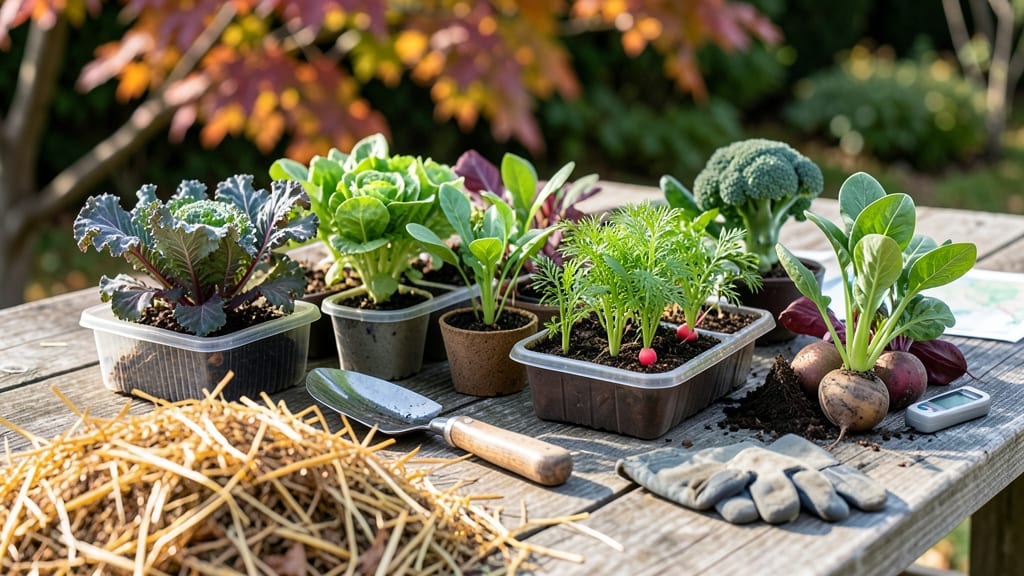
If you’ve ever stared at your garden calendar wondering "when to plant fall garden in Missouri", you’re not alone—Missouri’s shifting weather patterns can turn a great harvest into a gamble.
The good news? With the right timing, you can grow a thriving 🥬 garden that lasts well into November, even in zones 5b-6a.
Most gardeners in Missouri start their fall planting between mid-August and early September, but the exact dates depend on your zone and the crops you’re growing.
Plant too early, and your greens bolt before frost; too late, and you’ll miss the sweet spot for root vegetables like carrots and beets. The key is working with Missouri’s average first frost date (October 15) and adjusting for your microclimate.
In this guide, I’ll break down the perfect planting windows for your zone, plus pro tips to extend your harvest season. Whether you’re a beginner or a seasoned gardener, these strategies will help you avoid common mistakes and maximize your fall garden’s potential.
Ready to skip the guesswork? Let’s dive into the exact dates, soil prep secrets, and frost-proofing tricks that’ll keep your garden productive until the first hard freeze.
Missouri fall planting dates by hardiness zone (2024 guide)
Missouri spans USDA hardiness zones 5b through 7b, meaning your exact planting window depends on where you live. Most of the state falls in zone 6a, but northern areas (like St. Joseph) lean toward zone 5b, while southern regions (like Springfield) hit zone 7a.
These zones dictate when to plant for a reliable fall harvest before the first frost.
For zone 5b (northern MO), the average first frost date arrives around October 15, giving you a shorter window. In zone 7b (southern MO), you might have until November 1—but don’t wait too long! Planting too late risks stunted growth before winter sets in.
Pro tip: Use Missouri’s frost-free days (typically 165 days) as a baseline. Count backward from your zone’s first frost date to determine when to plant. For example, broccoli needs 60 days to mature—so in zone 6a, start seeds by August 15 for a harvest before frost.
| Zone | First Frost Avg. | Ideal Planting Window | Heat-Tolerant Crops | Last-Minute Adjustments |
|---|---|---|---|---|
| 5b (North) | Oct 15 | Aug 1–20 | Bush beans, Swiss chard | Use row covers for late starts |
| 6a (Central) | Oct 22 | Aug 15–Sep 10 | Kale, carrots, radishes | Extend season with cold frames |
| 7b (South) | Nov 1 | Aug 25–Sep 20 | Spinach, lettuce, turnips | Plant succession crops until Sep 30 |
If you’re in zone 6a (the majority of Missouri), aim to have cool-season crops like kale and carrots established by mid-August. For heat-loving plants like tomatoes or peppers, start seeds indoors in late July to transplant by early August—they’ll need time to mature before cooler temps arrive.
Missouri’s unpredictable weather means you should also track local frost alerts via the National Weather Service or apps like Frost Date Calculator. A sudden cold snap can hit as early as September 20 in northern zones, so have row covers ready to protect tender seedlings.
For slow-growing crops like broccoli or cabbage, err on the side of earlier planting. These need 70–90 days to mature, so zone 5b gardeners should start seeds by July 20 to avoid frost-related setbacks.
In zone 7b, you can push planting to early September for a late harvest.
Don’t forget to adjust for microclimates. Urban areas like St. Louis (zone 6a) may experience 2–3°F warmer nights than rural regions, giving you a slightly longer window. If your garden sits in a low-lying area, frost hits earlier—so monitor soil temps closely.
Use this zone-specific timeline as your guide, but always check soil temps (ideal for fall crops: 50–65°F45°F, young plants may struggle—so mulch heavily to insulate roots.
Finally, plan for succession planting in late August. Sow fast-maturing crops like radishes or bush beans every 2 weeks to stagger harvests and maximize your garden’s potential before winter.
Best fall vegetables for Missouri’s climate (and when to start seeds vs. transplant)
Missouri’s cool-season crops thrive in fall, but timing is everything. Start with leafy greens like spinach and kale—these tolerate light frosts and even sweeten when exposed to 28°F temperatures. For heartier plants, broccoli and carrots need a head start, while radishes can be direct-sown just 4 weeks before frost.
The key? Match your planting method to each crop’s maturity timeline.
Seed-starting indoors gives you a 4-6 week advantage over outdoor sowing. Begin broccoli and cabbage in late July to transplant by early September, ensuring they mature before first frost. For faster results, opt for transplanting seedlings from nurseries—just harden them off for 7-10 days before moving to your garden.
This works especially well for peppers and tomatoes, which need warmth but can still produce into fall.
🌱 Top 10 Missouri Fall Vegetables & Planting Guide
Direct Sow: Aug 15–Sep 15 | Harvest: 30–60 days | Tips: Thin seedlings; mulch to retain heat
Direct Sow: Aug 1–Sep 10 | Harvest: 40–70 days | Tips: Loosen soil; avoid rocks for straight roots
Start Indoors: Jul 15–Aug 1 | Transplant: Aug 15–Sep 1 | Harvest: 60–90 days
Transplant: Jun 1–Jul 15 | Harvest: Until first frost | Tips: Use row covers to extend season
Direct Sow: Aug 1–Sep 1 | Harvest: 30–50 days | Tips: Bolt-resistant varieties preferred
Succession planting is your secret weapon for a continuous harvest. Sow radishes every 2 weeks from August through September—they mature in just 25 days, giving you quick wins while slower crops like carrots develop.
For greens, overlap plantings so you’re always harvesting fresh leaves. Even onion sets benefit from staggered sowing; plant half in early August and the rest in mid-September to spread out your harvest.
Missouri’s microclimates can shift planting windows by weeks. If you’re in Zone 6a, push your last sowings to early September, while Zone 7b gardeners might extend until mid-October for heat-tolerant crops like collard greens.
Always check your local frost date averages—aim to plant cool-season crops 4–6 weeks before frost and warm-season crops 8–10 weeks before for maximum yield.
Don’t overlook soil prep—fall gardens need fertile, well-draining soil. Mix in compost or aged manure 2–3 weeks before planting to give roots a nutrient boost. For heavy clay soils common in Missouri, add sand or peat moss to improve drainage.
Test your soil’s pH (6.0–7.0 ideal) and amend with lime or sulfur if needed. A little prep now means fewer struggles later.
With the right crops and timing, your Missouri fall garden can be just as productive as spring—if not more so! Start with fast-maturing varieties, plan for succession, and protect your plants from early frosts.
Soon, you’ll be enjoying homegrown kale chips and fresh salads long after summer’s over. Happy planting! 🌱