
Plants
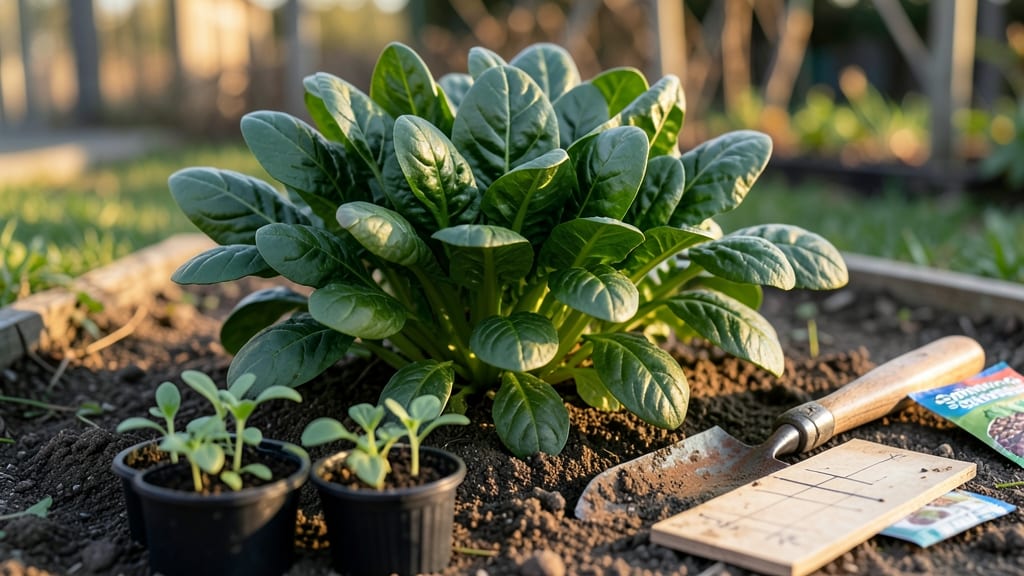
Timing your fall spinach planting in Zone 7 can mean the difference between a thriving garden and a sad, wilted disappointment. The key? Planting 4-6 weeks before your first frost—but getting it wrong leaves you either with bolting greens or frozen seeds.
In Zone 7 (General), where first frost typically arrives around October 20, your window opens in late summer. That means late August or early September is prime time to sow those 🥬 seeds for a harvest before winter sets in.
But here’s the catch: microclimates in your area might shift those dates by weeks.
Don’t stress—we’ll break down exactly how to calculate your perfect planting window, whether to use succession planting, and how to protect your crop from unexpected cold snaps. Ready to grow spinach that tastes sweeter than store-bought?
Let’s dive into the exact steps to ensure your fall spinach thrives, from soil prep to harvest, so you can enjoy fresh greens straight from your garden all season long.

Zone 7 fall spinach planting calendar: exact weeks before frost for success
Fall spinach in Zone 7 thrives when planted at the right time—typically 4 to 6 weeks before your first frost date. For most of Zone 7, this means late August to early September, but exact timing depends on your microclimate.
Coastal areas may extend planting into mid-September, while inland regions should start by early August for a late fall harvest.
Spinach matures in 45 to 60 days, so planting too late risks frost damage before harvest. Use your average first frost date (around October 20 in Zone 7) as your anchor.
For example, if frost hits October 20, aim to plant by September 10 for a harvest before winter sets in.
Here’s how to adjust for your specific location in Zone 7:
🌱 Zone 7 Fall Spinach Planting Timeline
| 📅 Stage | 📌 Action | ⏰ Timeframe (Zone 7) |
|---|---|---|
| 🌱 Soil Prep | Test soil pH (6.0–7.0 ideal), add compost | Late July–Early August |
| 🌱 Direct Sowing | Plant seeds ½" deep, 2–3" apart | Late August–Early September (4–6 weeks before frost) |
| 🌱 Succession Planting | Sow every 2–3 weeks for staggered harvests | Late August–Mid-September |
| 🍃 Harvest Window | Pick outer leaves when 4–6" long | October–November (before hard frost) |
| ❄️ Frost Protection | Use row covers for late harvests | Late October–November |
💡 Pro Tip: Check your local frost dates using the USDA Plant Hardiness Zone Map or a frost calendar for precise timing.
If you’re in a cooler microclimate (e.g., higher elevations in Zone 7), start planting by mid-August to avoid early frosts. Conversely, in warmer microclimates (like coastal areas), you can push planting to early September and even use row covers to extend the season.
For succession planting, sow a new batch every 2–3 weeks from late August through mid-September. This ensures a continuous harvest until the first hard frost. For example, if your first frost is October 20, plant your final batch by September 10 to harvest before winter.
Spinach varieties like 'Bloomsdale Long Standing' or 'Tyee' are excellent for fall planting—they tolerate cooler temperatures and bolt less quickly than heat-sensitive varieties. Always choose cold-hardy varieties labeled for fall harvests to maximize your yield.
Soil temperature is another critical factor. Spinach germinates best in 50–85°F soil, but ideal growth occurs in 60–70°F. If your soil is too hot (above 85°F), wait until late August to plant. Use a soil thermometer to check temperatures before sowing.
Finally, remember that light levels drop in fall. Spinach needs 4–6 hours of sunlight daily, but it can tolerate partial shade in late fall. If your garden is shady, prioritize south-facing beds or use reflective mulch to boost light exposure.
With the right timing, your Zone 7 fall spinach will reward you with tender, flavorful harvests long after summer crops are done. Start planning now—your garden (and taste buds) will thank you! 🥬
How to extend spinach harvests: succession planting and cold protection tips
Fall spinach in Zone 7 can provide fresh greens for months if you use the right strategies. Succession planting every 2–3 weeks ensures a steady harvest, while cold protection extends the season past the first frost.
I’ve found that combining these methods can double my spinach yield compared to a single planting.
Start your first planting 6–8 weeks before your average first frost date (around mid-August in most of Zone 7). Then, sow new seeds every 2 weeks until late September. This staggered approach guarantees tender leaves even as temperatures drop.
For cold protection, use lightweight floating row covers or low tunnels to shield plants from light frosts (down to 25°F). I’ve successfully grown spinach through December in my garden using these methods, and the flavor actually improves after a light frost!
If you’re transplanting seedlings instead of direct sowing, choose compact varieties like ‘Bloomsdale Long Standing’ or ‘Tyee’. These handle cooler temps better than loose-leaf types. Transplant 4–6 weeks before frost for a head start, but be prepared to protect them if nights get chilly.
Succession Planting vs. Cold Protection
- ✅ Staggered plantings every 2–3 weeks
- ✅ Continuous harvest until frost
- ✅ Works best with fast-maturing varieties
- ✅ Requires less protection
- ✅ Extends season past first frost
- ✅ Protects from hard freezes
- ✅ Works with single or multiple plantings
- ✅ Requires row covers or tunnels
One mistake I’ve made is overestimating spinach’s cold tolerance. While it handles light frosts, prolonged exposure to 20°F or below will damage leaves. To avoid this, monitor your local 10-day forecast and cover plants if freezing temps are predicted.
For soil hardening (preparing beds for fall planting), let the ground cool naturally after summer. Avoid working wet soil, which can compact and stunt root growth. I’ve had the best success by planting in well-drained, slightly acidic soil (pH 6.0–7.0) and mulching with straw to insulate roots.
With these techniques, you can enjoy homegrown spinach well into winter—just don’t forget to harvest before the ground freezes solid! The key is planning ahead and staying flexible with your schedule as fall progresses. 🥬