
Plants
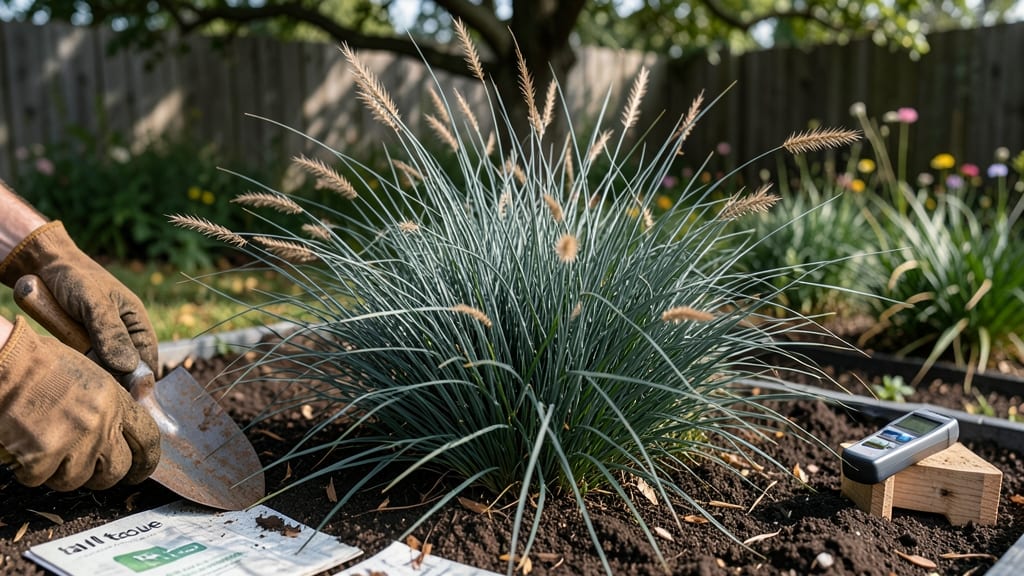
Planting fescue in Arkansas at the wrong time could mean years of patchy, weak grass fighting against the state's extreme heat and humidity. The key to a thriving lawn lies in understanding your local microclimate—whether you're in the cooler northern hills or the warmer southern plains.
For most of Arkansas's 7a-8a zones, late summer to early fall (August through October) is your best bet. This window lets fescue establish strong roots before winter, giving it a head start when spring arrives.
But timing isn't one-size-fits-all—northern Arkansas's cooler temps might extend your window slightly later into fall, while southern areas could benefit from an earlier spring planting.
I've worked with Arkansas gardeners who've seen dramatic differences just by shifting their planting schedule by a few weeks. The secret isn't just about months—it's about soil temperature, rainfall patterns, and even your lawn's exposure.
Let me show you exactly how to match your planting with Arkansas's unpredictable seasons for that perfect 🌱 green carpet.
We'll cover everything from soil prep to post-planting care, using guidelines from the Arkansas Cooperative Extension Service. Whether you're seeding a new lawn or overseeding an existing one, these insights will help you avoid common mistakes and get results that last through Arkansas's harshest weather.
Best planting months for fescue in Arkansas by region (north vs south vs mountain)
Arkansas’ diverse climate—from the humid south to the cooler mountains—means one planting window doesn’t fit all. The Arkansas Cooperative Extension Service recommends timing fescue planting to avoid summer heat stress and winter dormancy.
For most regions, late summer to early fall (August–October) is ideal, but your specific microclimate dictates the exact timing.
Northern Arkansas (USDA Zones 6b–7a) faces earlier frosts, while southern Arkansas (Zones 7b–8a) has longer growing seasons. Mountain regions like the Ozarks may need adjustments due to cooler temperatures.
Let’s break down the best months for each area to ensure your fescue establishes strong roots before Arkansas’ harsh winters.
Here’s how to match your planting schedule to your region’s unique conditions:
Spring planting is a secondary option (March–April) but requires vigilance. Arkansas’ unpredictable spring rains can delay germination, while summer heat stresses young seedlings. If you choose spring, plant 4–6 weeks before the last frost (typically mid-March) and keep soil consistently moist.
For mountain regions, like the Ozarks, cooler temperatures allow earlier planting. Aim for late August to give seedlings time to establish before winter. These areas often see frost by November 15, so timing is critical. Use a soil thermometer to confirm temperatures are above 55°F before planting.
Southern Arkansas’ warmer climate extends the planting window slightly, but humidity and fungal diseases (like brown patch) are bigger threats. Plant in September to avoid summer stress and apply a preventative fungicide if your lawn is prone to moisture issues.
Always choose disease-resistant varieties like ‘Kentucky 31’ or ‘Turftype’ for southern exposures.
Regardless of region, avoid planting in extreme heat (above 85°F). High temperatures cause seed desiccation and poor germination. If your ideal window passes and temperatures spike, wait until late September or early spring. Patience now saves headaches later.
After planting, consistent watering is non-negotiable. Fescue needs 1–1.5 inches of water weekly for the first 30 days to establish roots. Use a rain gauge to track rainfall and supplement as needed. Arkansas’ clay-heavy soils retain moisture well, but surface drying can occur quickly in summer.
Pro tip: Mulch with straw after seeding to retain moisture and protect seedlings from bird damage. This is especially useful in open fields where birds may peck at seeds. A light layer (¼ inch) keeps soil cool and hydrated without smothering growth.
🌱
Best planting months for fescue in Arkansas by region (north vs south vs mountain)
Arkansas’ diverse climate—from the humid south to the cooler mountains—means one-size-fits-all planting won’t work for fescue. The Arkansas Cooperative Extension Service recommends aligning your schedule with your region’s last frost dates and soil temperatures.
In northern Arkansas (USDA Zone 7a), where winters are colder, aim for late August through early October or March to early April.
For southern Arkansas (Zone 8a), the window shifts slightly later—September to early November or February to March—thanks to milder winters. Meanwhile, mountain regions (e.g., Ozarks) can plant as late as mid-October due to earlier frosts.
The key? Plant when soil temps hover between 60°F and 75°F for optimal root growth.
| Region | Ideal Planting Window | Soil Temp Threshold | Key Risks |
|---|---|---|---|
| Northern Arkansas (Zone 7a) | Late August–Early October March–Early April |
60°F–75°F | Early frost (Nov 15) |
| Southern Arkansas (Zone 8a) | September–Early November February–March |
65°F–75°F | Summer drought |
| Mountain Regions (Ozarks) | Mid-August–Mid-October March–Late April |
55°F–70°F | Late spring frost |
Spring planting in Arkansas offers a 6–8 week window before summer heat stresses seedlings. However, fall planting is often preferred—fescue establishes roots before winter, giving it a head start in spring.
If you miss the fall window, don’t panic: early spring (March) is your second chance, provided you protect seedlings from late frosts.
Pro tip: Use a soil thermometer to confirm temps before planting. In northern Arkansas, wait until soil warms to 60°F in spring; in the south, 65°F is ideal.
Cool, moist soil = faster germination. Avoid planting in summer heat (June–August), as fescue struggles to establish under Arkansas’ 90°F+ temperatures.
Regional microclimates also matter. For example, Little Rock’s urban heat island can push planting dates 1–2 weeks later than rural areas. Check local Arkansas Agricultural Experiment Station reports for hyper-local adjustments. And remember: shade patterns (e.g., trees dropping leaves in fall) can shift sunlight exposure—plan accordingly.
Once you’ve locked in your planting window, focus on seed selection. Tall fescue varieties (like ‘Kentucky 31’) handle Arkansas’ humidity better than fine fescue, but hybrids (e.g., ‘Turftype’) offer a balance of drought tolerance and softness.
Your region’s USDA Zone will guide your choice—more on that in the next section! 🌱