
Flowers
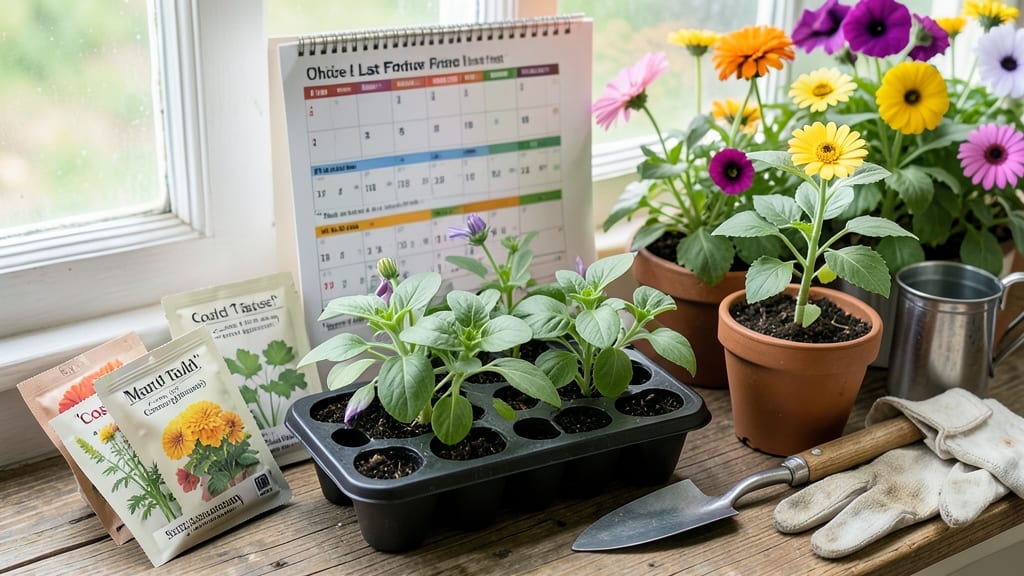
Timing your flower seeds planting in Ohio isn’t just about following a calendar—it’s about catching that sweet spot between frost and heat where your 🌸 garden can truly thrive.
With Ohio’s 6a-6b climate, you’ve got just 165 frost-free days to work with, making the difference between a vibrant summer display and a season of missed opportunities.
I’ve learned the hard way that planting too early risks frost damage, while waiting too long can leave your garden playing catch-up.
The key is knowing when to start seeds indoors (6-8 weeks before your last frost) and which heat-tolerant varieties will reward you with bold blooms from June through October.
Whether you’re dreaming of sun-drenched zinnias or the delicate charm of cosmos, this guide will walk you through Ohio’s planting windows, frost dates, and the best varieties to keep your garden in full bloom. Let’s turn those seeds into a showstopper.
Ready to skip the guesswork? I’ll show you exactly when to plant—plus the 3 mistakes that even experienced gardeners make. Your Ohio garden is about to get an upgrade.
Ohio frost dates and ideal planting windows for flower seeds
Ohio’s last spring frost typically arrives between April 15 and May 15, depending on your region—this is your cue to start planting heat-loving annuals like zinnias and marigolds. For perennials, timing matters even more since they establish roots over multiple seasons.
The key is understanding whether to start seeds indoors or direct-sow outside, based on your local frost dates.
In USDA Zones 6a-6b, Ohio’s first fall frost usually hits around October 15, leaving a 165-day growing season. This means you can squeeze in a second planting of fast-growing flowers like cosmos or sunflowers in late August for fall blooms.
The trick is calculating 6-8 weeks before your first frost for these late-season varieties.
🌱 Ohio Flower Seed Planting Timeline
| Stage | Action | Notes |
|---|---|---|
| February | Start long-season annuals indoors (e.g., petunias, snapdragons) | Use grow lights if natural light is <6 hours/day |
| March | Direct-sow cold-hardy flowers (e.g., pansies, sweet alyssum) | Cover with row fabric if frost threatens |
| April 15–May 15 | Transplant indoor starts and direct-sow warm-season flowers (e.g., zinnias, marigolds) | Wait until soil reaches 60°F+ |
| August 1–15 | Direct-sow fast-growing fall flowers (e.g., cosmos, sunflowers) | Aim for blooms before first frost |
| September–October | Plant bulbs (e.g., tulips, daffodils) for next spring | Choose hardy varieties for Zone 6 |
Northern Ohio (e.g., Cleveland, Toledo) tends to have later last frosts (May 1–15), while southern Ohio (e.g., Cincinnati, Columbus) can plant 2–3 weeks earlier. Check your local Cooperative Extension Service for precise dates—this is your best tool for avoiding frost damage to tender seedlings.
For perennial flowers, like black-eyed Susans or cone flowers, you can direct-sow seeds in late spring (after May 15) or even early summer.
These hardy plants establish roots over time, so they’re more forgiving than annuals, which need a long, uninterrupted growing season to reach their full bloom potential.
If you’re growing tender annuals like geraniums or impatiens, always start them indoors 6–8 weeks before your last frost. These varieties cannot tolerate frost and will bolt or die if exposed to temperatures below 50°F.
Use seedling heat mats if your home is chilly to speed up germination.
Pro tip: Use biodegradable seed starters or peat pots for indoor starts to avoid transplant shock. These materials break down in the soil, giving young roots a head start without disturbing them during the move to your garden beds.
This is especially helpful for delicate flowers like bachelor’s buttons or snapdragons.
For succession planting, plan to sow fast-growing flowers like marigolds or nasturtiums every 2–3 weeks from late spring through early summer. This ensures a continuous bloom and maximizes your garden’s visual impact. Just be sure to space them properly—crowded flowers are more prone to disease and pests.
Don’t forget to harden off your indoor seedlings before transplanting. This means gradually exposing them to outdoor conditions (wind, sun, temperature fluctuations) over 7–10 days. Start with 2–3 hours per day in a sheltered spot and increase the time daily.
This process mimics natural conditions and helps seedlings adapt without shock.
Ohio’s humidity and summer heat can be challenging for new gardeners, but choosing the right heat-tolerant varieties and planting at the optimal time makes all the difference. Next, we’ll dive into the top flower seeds that thrive in Ohio’s climate and how to keep them blooming all season long. 🌸
Top heat-tolerant flower seeds for Ohio’s summer garden
Ohio’s summer heat and humidity can be tough on flowers, but some heat-tolerant varieties thrive under these conditions. Choosing the right annuals and perennials ensures vibrant blooms from June through October, even when temperatures soar.
My top picks are zinnias, marigolds, cosmos, black-eyed Susans, and coneflowers, all of which handle Ohio’s 90°F+ days with ease.
Zinnias are a gardener’s dream—they bloom nonstop from summer to frost and attract pollinators like bees and butterflies. Marigolds, with their pest-repelling properties, are perfect for edging beds or interplanting with vegetables. Meanwhile, cosmos grow tall and airy, adding movement to any garden while requiring minimal care.
🌻 Top 5 Heat-Tolerant Flowers for Ohio
- Zinnias: 60–90 days to bloom; drought-resistant once established. Colors: pink, red, orange, yellow.
- Marigolds: 45–60 days; repels pests like aphids and nematodes. Colors: gold, orange, burgundy.
- Cosmos: 60–75 days; thrives in poor soil; self-seeds easily. Colors: white, pink, magenta.
- Black-Eyed Susans (perennial): 50–60 days to first bloom; drought-tolerant. Color: golden yellow.
- Coneflowers (perennial): 70–90 days; attracts pollinators; long-lasting blooms. Colors: pink, purple, white.
💡 Pro Tip: Start zinnias and cosmos indoors 4–6 weeks before Ohio’s last frost date (April 15) for earlier blooms.
For perennials, black-eyed Susans and coneflowers are my go-to choices. They return year after year, requiring little maintenance beyond dividing clumps every 3–4 years. Both handle Ohio’s hot, humid summers beautifully and provide late-season color when annuals fade.
When planting, focus on well-draining soil and full sun exposure (6+ hours daily). Mulch around plants to retain moisture and keep roots cool. Water deeply in the morning to prevent fungal diseases, which thrive in Ohio’s damp conditions.
Avoid overhead watering during peak sun hours to minimize stress on plants.
Succession planting is another trick I use to extend blooms. For example, sow marigolds every 2–3 weeks from May through July. This ensures a continuous display of color and keeps pests at bay. Pair heat-lovers with shade-tolerant flowers like impatiens or begonias for a balanced garden that thrives all season.
Finally, don’t overlook native Ohio wildflowers like purple coneflower or butterfly weed. These varieties support local ecosystems while requiring minimal care. They’re perfect for wildflower meadows or naturalized areas where you want low-maintenance beauty.
🌿