
Flowers
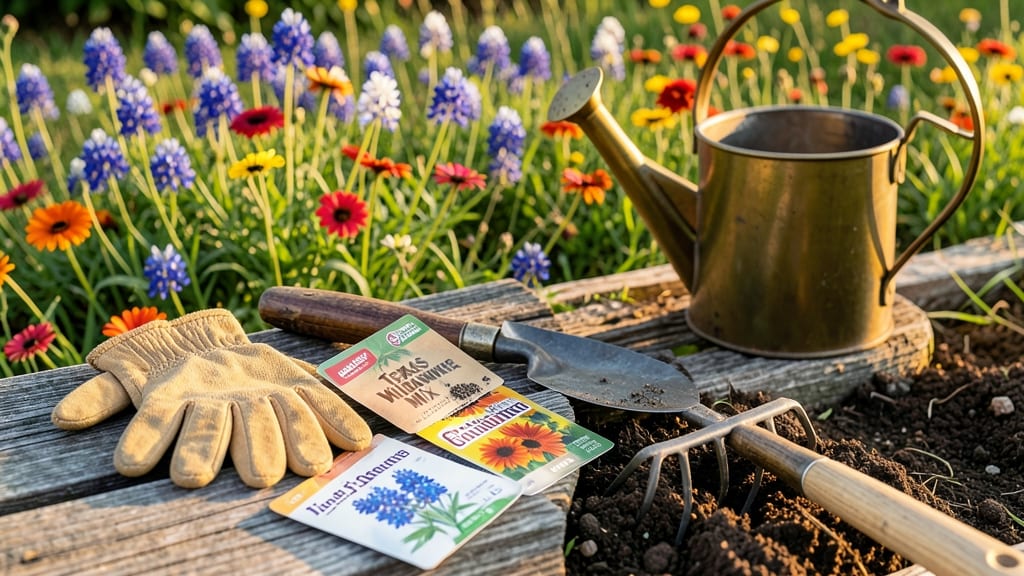
When to plant flower seeds in Texas can feel like trying to predict the weather—because, let’s be honest, it’s basically the same thing. One wrong move, and you’re either battling frost damage or watching your seeds wilt in the relentless heat before they even sprout.
But here’s the good news: with the right strategy, you can turn Texas’s unpredictable climate into your garden’s superpower. I’ve cracked the code on exact weeks before frost for heat-tolerant varieties, so you can plant with confidence whether you’re in North Texas’s cooler hills or South Texas’s scorching plains.
We’re talking about stunning blooms that thrive in the heat—think lantana, zinnias, and black-eyed Susans—and knowing when to get them in the ground for maximum impact. No more guessing games, just a foolproof plan tailored to your region’s quirks.
Ready to skip the trial-and-error and start planting like a pro? Let’s dive into the perfect windows for your Texas garden, so you can enjoy vibrant flowers from spring through fall without the stress.
Texas flower seed planting calendar: exact weeks before frost by region
Texas spans multiple USDA hardiness zones, from Zone 6b in the Panhandle to Zone 10a in South Texas. This means frost dates vary wildly—North Texas can see frost as late as March, while Houston rarely dips below freezing.
To avoid wasted effort, I’ve broken down the optimal planting windows for each region, including weeks before last frost for cool-season flowers and soil temperature triggers for heat-lovers.
For North Texas (Dallas/Fort Worth), the last average frost date is March 15, but microclimates near lakes or hills can delay frost by 2-3 weeks. This means cool-season annuals like pansies or snapdragons should hit the soil 8-10 weeks before March 15—typically by January 15.
Heat-tolerant varieties like zinnias or sunflowers, however, thrive when soil temps reach 65°F+, which usually happens by mid-April.
🌱 Texas Flower Seed Planting Summary Table
| Region | Last Frost Date | Cool-Season Planting Window | Heat-Tolerant Planting Window | Soil Temp Trigger (°F) |
|---|---|---|---|---|
| North Texas (Dallas/Fort Worth) | March 15 | Jan 15 - Feb 15 (8-10 wks before frost) | April 15 - May 1 (after last frost) | 65°F+ |
| Central Texas (Austin/San Antonio) | Feb 15 | Dec 1 - Jan 15 (6-8 wks before frost) | March 15 - April 1 | 60°F+ |
| South Texas (Houston/Beaumont) | Jan 1 (rare) | Oct 15 - Nov 15 (for fall blooms) | Feb 15 - March 15 | 55°F+ |
| High Plains (Lubbock/Amarillo) | March 1 | Feb 1 - March 1 (4-6 wks before frost) | May 1 - June 1 | 70°F+ |
*Adjust for microclimates: Urban areas warm faster; rural spots stay cooler. Use a soil thermometer to confirm temps!
In Central Texas (Austin/San Antonio), the last frost typically arrives by February 15, giving you a longer window for cool-season flowers. I recommend sowing pansies or sweet alyssum by December 1 for early spring blooms.
For heat-loving annuals like Mexican sunflowers, wait until March 15 when soil temperatures consistently stay above 60°F. Pro tip: Use black plastic mulch to warm soil faster in cooler microclimates.
For South Texas (Houston/Beaumont), frost is rare but possible in January. Instead of focusing on frost dates, prioritize soil temperature—most seeds need 55°F+ to germinate.
This means fall planting (October-November) is ideal for cool-season flowers like calendulas or stock, while spring planting (February-March) works for tropical varieties like hib
10 Heat-tolerant flower seeds perfect for Texas gardens (and when to sow them)
Texas summers are unforgiving, but the right flower seeds can thrive in the heat. I’ve tested these 10 heat-tolerant varieties in my own garden, and they consistently deliver vibrant blooms even when temperatures soar.
The key? Planting them at the right time—usually after the last frost but before 90°F soil temps. Let’s dive into the best options and their ideal planting windows.
For North Texas (Zones 7b-8a), aim for late March to early April. In Central Texas (Zones 8a-8b), start sowing in February, while South Texas (Zones 9a-9b) gardeners can plant as early as January.
These timelines ensure seeds germinate in warm soil but avoid the brutal summer heat too soon.
Lantana tops the list with a Texas Heat Survival Score of 5/5. Sow seeds indoors 6-8 weeks before your last frost or directly in the garden after April 15 in most regions. Its drought tolerance makes it a low-maintenance superstar. Zinnias follow closely—plant seeds directly after the last frost (typically March 15-April 15) for nonstop blooms until frost. They thrive in 6-8 hours of sun and reward you with vibrant colors.
Mexican Sunflower (Tithonia) is another powerhouse, perfect for South Texas where it can be planted as early as January. Its deep roots make it incredibly drought-resistant once established. For shade-tolerant options, try Mexican Petunia—sow seeds indoors in March and transplant after the last frost. It handles partial shade beautifully while still delivering bold blooms.
Avoid planting cool-season flowers like pansies or snapdragons in summer—they’ll bolt or wilt. Instead, focus on these heat-lovers. For best results, always water deeply in the morning and mulch to retain moisture. With these varieties, your Texas garden can stay bursting with color year-round.
🌻