
Flowers
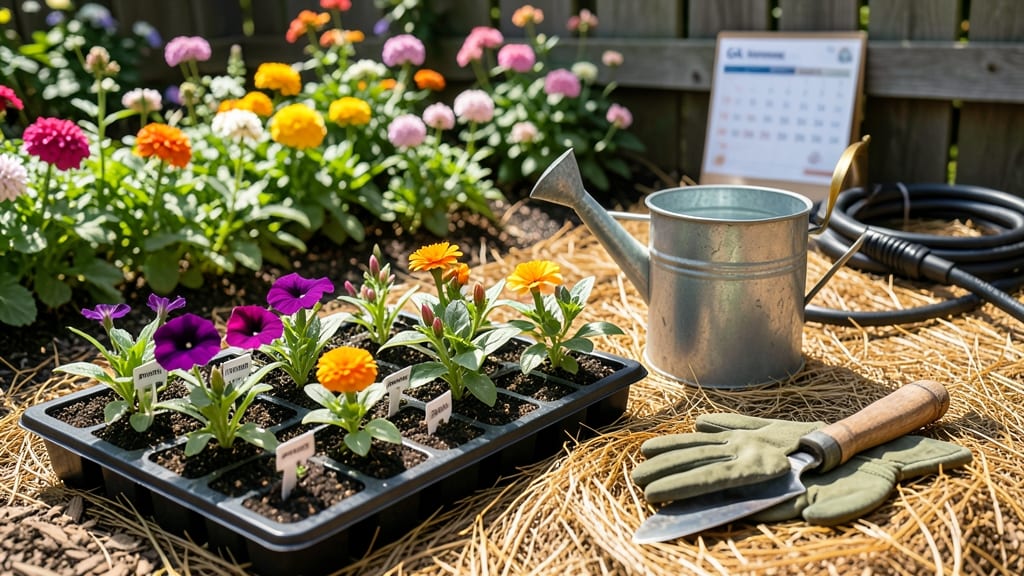
Timing your flowers planting in Georgia (GA) isn't just about throwing seeds in the dirt—it's the difference between a garden that bursts with color and one that fades before it even begins.
With USDA zones 7a-9a and a climate that ranges from humid summers to mild winters, getting the schedule right means avoiding frost damage or scorched blooms before they open.
Most gardeners in Georgia know the ideal window is late winter through early spring or early fall, but the specifics vary wildly depending on whether you're in coastal Savannah or the Piedmont hills.
Miss the last frost date in mid-March, and your tender annuals will bolt before they bloom. Plant too early, and you risk losing everything to a surprise freeze.
What if you could skip the guesswork and plant with confidence, knowing exactly which 🌸 flowers thrive in each season and how to prep your soil for Georgia’s unique challenges?
Whether you're a first-time gardener or a seasoned pro, I’ll break down the month-by-month deadlines that actually work—so you can enjoy a garden that’s always in bloom, not just in theory.
From heat-loving salvias to frost-resistant pansies, we’ll cover the best varieties for your region, plus pro tips for container gardening and native plants that need minimal fuss. Let’s turn your Georgia garden into the envy of the neighborhood—starting with the right timing.
Georgia’s frost-free planting zones: month-by-month deadlines for annual flowers
Georgia’s USDA zones 7a-8b create a 210-day frost-free window, but timing varies dramatically between the coastal regions (warmer) and Piedmont mountains (cooler). The last frost typically arrives between mid-March and early April, while the first frost hits mid-November.
For annual flowers, this means your planting window opens in late February for heat-lovers like marigolds and zinnia, while cold-hardy pansies can handle January in Zone 8a.
Miss the frost-free window by even a week, and your tender annuals like petunias or geraniums will bolt or succumb to light frosts. The key is knowing your microclimate—valleys freeze faster than hilltops, and urban areas stay 5°F warmer than rural spots.
Always check your local frost dates (like Athens’ average last frost: March 15 vs. Savannah’s: February 28).
Here’s your month-by-month planting calendar for Georgia’s most popular annual flowers, tailored to USDA zones 7a-8b:
| Month | Plant Type | Best Varieties | Notes |
|---|---|---|---|
| January | Cold-Hardy Annuals | Pansies, Snapdragons, Sweet Alyssum | Zone 8a only; protect with row covers |
| February | Heat-Tolerant Annuals | Marigolds, Zinnias, Cosmos | Start seeds indoors; coastal areas safe outdoors |
| March | Tender Annuals | Petunias, Geraniums, Impatiens | Wait until after last frost; use frost cloth if late |
| April | Summer Bloomers | Sunflowers, Dahlias, Lantana | Direct sow after soil warms to 60°F+ |
| August-Sept | Fall Annuals | Chrysanthemums, Pansies, Calendula | Plant 6-8 weeks before first frost for blooms |
For perennials, the rule is simpler: plant in early spring (March-April) or early fall (September-October).
This gives roots time to establish before summer heat or winter frosts. Bulbs like tulips and daffodils should go in October-November for spring blooms, while fall-blooming bulbs (like crocuses) get planted in September.
Georgia’s humid summers demand extra care for heat-sensitive flowers like hydrangeas or begonias. Plant these in partial shade and mulch heavily to retain moisture. Drought-tolerant picks like salvias or lavender thrive in full sun and need less watering—ideal for Zone 8b’s intense heat.
Pro tip: Use container gardening to extend your season. Pots warm up faster in spring and can be moved to shade during summer. Fill containers with lightweight, well-draining soil and plant compact varieties like bacopa or portulaca for urban balconies or patio gardens.
Don’t forget native Georgia flowers like black-eyed Susans or coreopsis—they’re drought-resistant, low-maintenance, and support local pollinators. These thrive when planted in late winter (February) for summer-long blooms without extra fuss.
If you’re in Zone 7a (like Blue Ridge Mountains), hold off on tender annuals until mid-April—late frosts are common. For Zone 8b (like Savannah), you can plant heat-lovers like sunflowers as early as February.
Always check your local extension office for microclimate adjustments—a 5°F difference can mean the difference between wilting and thriving.
Mark your calendar for August 15—this is the last safe date to plant fall annuals in most of Georgia. After this, focus on perennials
Best flowers to plant by season in Georgia: a climate-smart guide
Georgia’s four distinct seasons create perfect conditions for year-round blooms, but each season demands different strategies. Spring brings azaleas and camellias, summer thrives with heat-loving salvias, and fall showcases chrysanthemums.
Even winter offers hardy options like hellebores. Let’s dive into the best flowers for each season and how to make them thrive in Georgia’s climate.
For spring planting, focus on cool-season annuals like pansies and snapdragons, which handle light frosts. Perennials like daylilies and coreopsis also establish roots well in March-April. My pro tip: Amend clay-heavy Georgia soil with compost to improve drainage—this is non-negotiable for spring bulbs like daffodils and tulips.
🌱
Georgia’s humid summers demand drought-tolerant varieties like salvias and lantanas, while fall’s cooler temps reward gardeners with chrysanthemums and pansies. For urban gardeners, container gardening extends options—try petunias or geraniums in self-watering pots to beat heat stress.
Don’t overlook native plants like black-eyed Susans or coneflowers, which require less water and maintenance while supporting local ecosystems. My final tip: Always check moisture levels before watering—Georgia’s clay soil holds water longer than you think, and overwatering is a common killer of summer blooms.
☀️