
Flowers
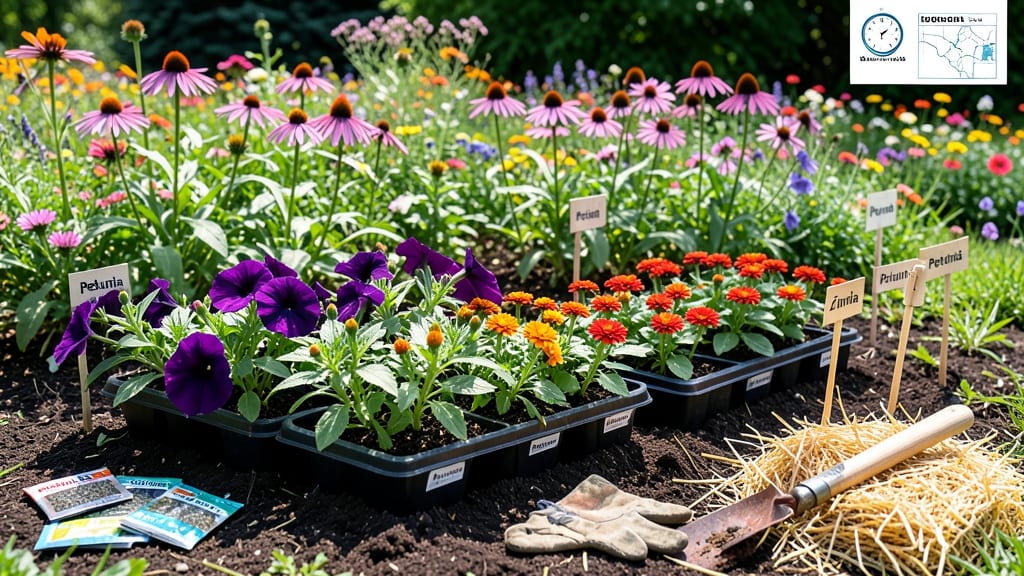
Timing your flower planting in Nebraska isn’t just about luck—it’s about knowing exactly when to plant flowers in Nebraska to beat frost and ensure those vibrant blooms you dream of actually take root.
With USDA zones ranging from 5a to 6b, the difference between a thriving garden and a frost-killed disappointment often comes down to those critical weeks before the last spring frost.
I’ve lived through enough close calls with surprise frosts to know the frustration of watching delicate seedlings wilt overnight. The good news? Nebraska’s planting windows are predictable once you understand your zone’s frost dates.
Whether you’re planting marigolds in Omaha or petunias in Lincoln, the key is starting 4-6 weeks before your area’s average last frost—usually mid-April, but it varies by 50 miles.
In this guide, I’ll break down the exact weeks before last frost for your zone, plus seasonal adjustments for fall bloomers. You’ll learn which flowers thrive in Nebraska’s unpredictable climate, how to extend your growing season with simple tricks, and even how to spot early signs of frost risk.
No more guessing—just a foolproof schedule tailored to your backyard.
Ready to transform your garden from “maybe next year” to “blooming beauty”? Let’s get those trowels in the soil at the perfect moment—because in Nebraska, timing really is everything for your 🌸.
Nebraska flower planting schedule by Zone: weeks before last frost
Nebraska’s USDA Hardiness Zones 5a-6a mean frost dates vary dramatically—from mid-April in western regions to late April in eastern areas. To avoid frost damage, I’ve mapped out the exact weeks before last frost for planting annuals, perennials, and bulbs in each zone.
For Zone 5a (western NE), aim to plant 4-6 weeks before last frost (typically by March 15 for cold-hardy varieties like pansies or snapdragons).
In Zone 5b (central NE), wait until 3-5 weeks before last frost (around March 25), while Zone 6a (eastern NE) can start 2-4 weeks before last frost (late March).
🌱 Pro Tip: Use a frost calendar (like the Nebraska State Climate Office) to track local trends—some years, frost lingers until May 1!
| Zone | Last Frost Date | Weeks Before Planting | Best Flowers |
|---|---|---|---|
| 5a (Western NE) | Mid-April | 4-6 weeks (by March 15) | Pansies, Snapdragons, Calendula |
| 5b (Central NE) | Late April | 3-5 weeks (by March 25) | Marigolds, Petunias, Coreopsis |
| 6a (Eastern NE) | Early May | 2-4 weeks (by April 1) | Zinnias, Black-Eyed Susans, Coneflowers |
🌿 Fall Planting: Repeat for August-September (6-8 weeks before first frost).
For bulbs like tulips or daffodils, plant in fall (October-November)—they need 6-8 weeks of cold to bloom. In Zone 5a, aim for October 1-15, while Zone 6a can wait until mid-October.
🌡️ Key Rule: Never plant when nighttime temps dip below 50°F. Use frost cloths if early planting is tempting—just don’t leave them on past bud stage.
In Omaha (Zone 5b), I’ve had marigolds survive light frosts if planted by April 15, but impatiens (tender annuals) need to wait until May 1 for safety. Always check 7-day forecasts before committing!
💡 Zone-Specific Hack: Eastern Nebraska’s river valleys (like near Lincoln) warm 1-2 weeks earlier than upland areas. Plant heat-loving flowers like sunflowers 7 days ahead in these microclimates.
To track your local frost dates, bookmark the National Weather Service’s Lincoln office or use apps like Frost Date Calculator. In my Zone 5b garden, I mark April 15 on my calendar—it’s my “green light” for most annuals.
✂️ Final Tip: If you’re unsure, start with cold-hardy annuals like sweet alyssum or lobelia. They’ll give you color even if frost sneaks back!
Best flowers to plant in Nebraska by season (with frost-resistant picks)
Nebraska’s short growing season demands smart flower choices—prioritize frost-resistant varieties that bloom early or late. Cold-hardy annuals like pansies and snapdragons survive light frosts, while perennials like coneflowers return yearly with minimal fuss. For summer color, try heat-tolerant marigolds or zinnia, which thrive in Nebraska’s 90°F+ temperatures.
Fall is your second chance for blooms! Plant mums and asters 6–8 weeks before first frost (mid-October) for autumn color. Even hardy bulbs like daffodils and tulips can be planted in late September—their roots establish before winter. Avoid tender annuals like petunias after July; they’ll bolt in Nebraska’s heat.
🌱 Spring Stars (Plant 2–4 Weeks Before Last Frost)
- Pansies – Survive 28°F frosts; bloom spring and fall.
- Sweet Alyssum – Drought-tolerant; attracts pollinators early.
- Lupine – Perennial with blue/purple spikes; loves full sun.
- Calendula – Edible orange blooms; self-seeds easily.
For summer-long color, focus on heat-loving annuals like celosia and portulaca, which handle Nebraska’s dry spells. Pair them with perennial salvias for hummingbirds. Deadhead spent blooms weekly to encourage nonstop flowering—a must in Nebraska’s short bloom windows.
Don’t overlook fall-planted bulbs! Tulips and crocuses need 6–8 weeks of chill to bloom next spring. Plant them in late September when soil cools to 60°F. Alliums add purple globes and thrive in poor soil, perfect for Nebraska’s clay-heavy gardens.
Pro tip: Use mulch (2–3 inches) around perennials in Zone 5a to protect roots during late-spring frosts. For containers, choose petunias or geraniums—they bounce back from light freezes better than tender geraniums.
Skip these high-risk flowers in Nebraska: impatiens (fungus-prone), coleus (needs humidity), and begonias (frost-sensitive). Instead, opt for native wildflowers like black-eyed Susans—they’re drought-proof and pollinator magnets.