
Flowers
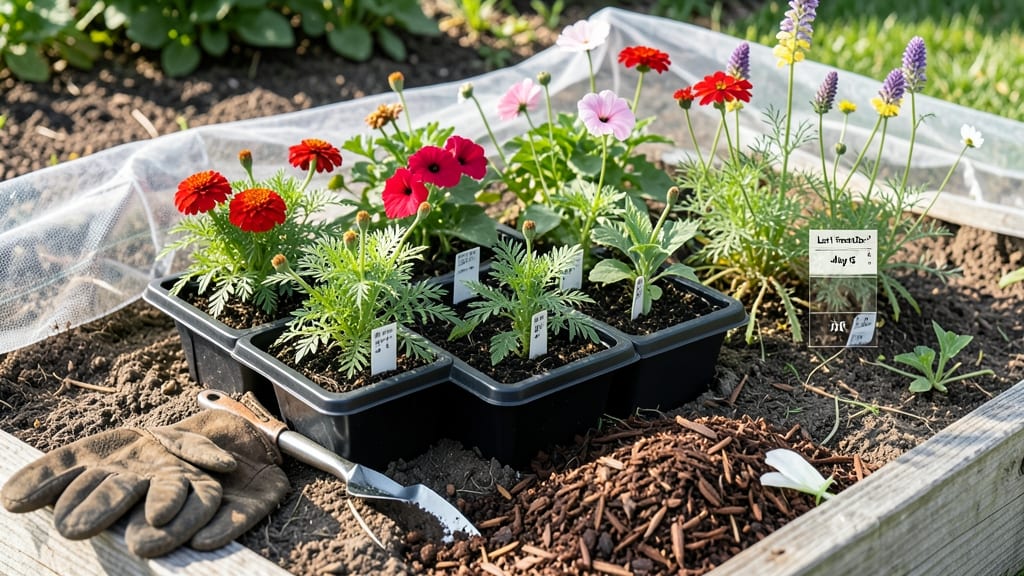
Timing your flowers planting in New York can mean the difference between a vibrant garden and a sad, frost-nipped disappointment. With Zone 6a frost dates that shift from April to October, getting the schedule right is everything.
Whether you're planting annuals for summer color or hardy perennials to return year after year, missing the window could leave you with wilted dreams instead of blooms.
Let me cut through the guesswork and give you the exact planting windows you need. We'll cover when to tuck bulbs into the soil before the last frost, which spring-blooming varieties thrive in March's chill, and how to stretch your fall planting season without risking a surprise freeze.
No more second-guessing—just a foolproof plan tailored to New York's unpredictable climate.
From the bustling streets of NYC to rural upstate gardens, the rules are the same: plant early enough to beat the frost, but not so early that tender roots get shocked.
I'll walk you through the best months for each flower type, plus pro tips to extend your growing season when Mother Nature throws curveballs. Ready to transform your outdoor space into a year-round paradise of 🌸?
Whether you're a seasoned gardener or just starting with a few pots on your fire escape, this guide gives you the confidence to plant with precision. We'll tackle everything from frost dates by region to the best flowers for your specific growing conditions. Let's get those blooms growing—properly and beautifully.
NY frost dates by region: critical planting windows for annuals and perennials
New York’s diverse climate—from the Adirondacks to Long Island—means frost dates vary dramatically. In Zone 3 (upstate), last spring frost often hits May 15, while Zone 7 (Lower Hudson Valley) sees frost-free soil by April 15.
These differences dictate when to plant cool-season flowers like pansies versus heat-lovers like zinnias.
First, check your local frost dates—they’re the backbone of your planting schedule. For example, Western NY (Zones 5–6) has a last frost around April 20, while Eastern NY (Zones 6–7) can plant 2 weeks earlier.
Fall frost also shifts: Upstate freezes by October 10, but Long Island holds off until November 1.
Here’s how to use these dates: Plant cold-hardy bulbs (like tulips) 6–8 weeks before last frost, while tender annuals (like petunias) need to wait until 2 weeks after. Miss these windows, and you’ll face frost damage or bolting (premature flowering).
🌱 NY Frost Dates & Planting Windows by Region
| Region | Last Spring Frost | First Fall Frost | Spring Planting Window | Fall Planting Window |
|---|---|---|---|---|
| Western NY (Zones 5–6) | April 20 | October 10 | April 20–May 15 | August 1–September 15 |
| Central NY (Zones 5–6) | April 15 | October 15 | April 15–May 10 | August 15–September 10 |
| Eastern NY (Zones 6–7) | April 1 | November 1 | March 20–April 30 | August 10–October 15 |
| NYC/Long Island (Zone 7) | March 25 | November 10 | March 1–April 15 | August 1–October 30 |
For urban gardeners in NYC, microclimates matter. A rooftop garden may warm up faster than a shady courtyard, so adjust planting by 1–2 weeks. Use a frost calendar (like the National Gardening Association’s) for real-time updates, as dates shift yearly.
Perennials like peony or daylily thrive when planted in spring or early fall, while annuals (e.g., marigolds) need soil temps above 60°F.
Test soil temps with a thermometer—if it’s below 50°F, wait. Bulbs like daffodils can handle fall planting in October, but avoid spring planting for tender varieties.
Pro tip: Succession planting extends your blooms. Sow fast-growing annuals like basil flowers every 2 weeks from May to July to keep your garden vibrant. This works especially well in Zone 6–7, where summers are long but fall frost arrives early.
Don’t overlook container gardening—pots warm up faster than ground soil, letting you plant 2 weeks earlier in spring. Just ensure containers have drainage holes to prevent root rot from late spring rains. For cold-sensitive plants (like geraniums), wait until after Memorial Day to avoid late frost surprises.
Remember, NY’s frost dates aren’t set in stone. A late spring freeze in May can delay planting, while a warm fall might push your fall garden into November. Stay flexible, and your flower beds
Best flowers to plant in NY by season: heat-tolerant vs. cold-hardy varieties
New York’s diverse climate means you can grow a stunning variety of flowers year-round, but knowing which varieties thrive in each season is key. Spring-bloomers like tulips and daffodils love cooler temps, while summer annuals such as zinnias and marigolds handle heat with ease.
Let’s break down the best flowers for each season to keep your garden blooming from March through October.
For spring planting, focus on cold-hardy perennials and bulbs that tolerate frost. Summer flowers need heat resistance, while fall varieties should handle cooler temps before winter. I’ve curated the top picks for each season, so you can plant with confidence and enjoy non-stop color all year.
- Daffodils: Plant bulbs in fall (Oct–Nov) for early spring blooms; tolerate frost well.
- Tulips: Choose Darwin Hybrid varieties for longer stems; plant bulbs in fall.
- Bleeding Heart: A shade-loving perennial that thrives in cool spring soil.
- Sweet Peas: Sow seeds 4–6 weeks before last frost for fragrant spring blooms.
- Zinnias: Heat-loving annuals that bloom until frost; sow after last frost date.
- Marigolds: Deter pests and thrive in full sun; plant after May 15.
- Sunflowers: Fast-growing; direct-sow seeds after soil warms (late May).
- Lantana: Drought-tolerant shrub; plant after June 1 for summer-long blooms.
- Mums (Chrysanthemums): Plant 4–6 weeks before first frost for fall color.
- Astors: Cold-hardy perennials that bloom into October.
- Pansies: Tolerate light frost; sow seeds in late summer for early spring blooms.
- Sweet Alyssum: Winter-hardy annual that blooms until snowfall.
Don’t forget about perennials that return year after year, like coneflowers and black-eyed Susans. These thrive in NY’s climate and require minimal care once established. For urban gardeners, compact varieties like petunias or geraniums work well in containers and can be planted in May or September.
If you’re unsure about your last frost date, check your USDA Hardiness Zone (NY ranges from Zone 4–8). For example, Zone 5 areas (like the Adirondacks) have later spring planting windows than Zone 7 (Long Island).
Adjust your planting schedule based on your local microclimate to avoid frost damage or bolting.
Pro tip: Use succession planting for summer annuals like zinnias. Sow new seeds every 2–3 weeks from May through July to ensure continuous blooms until first frost. This keeps your garden vibrant without gaps!