
Flowers
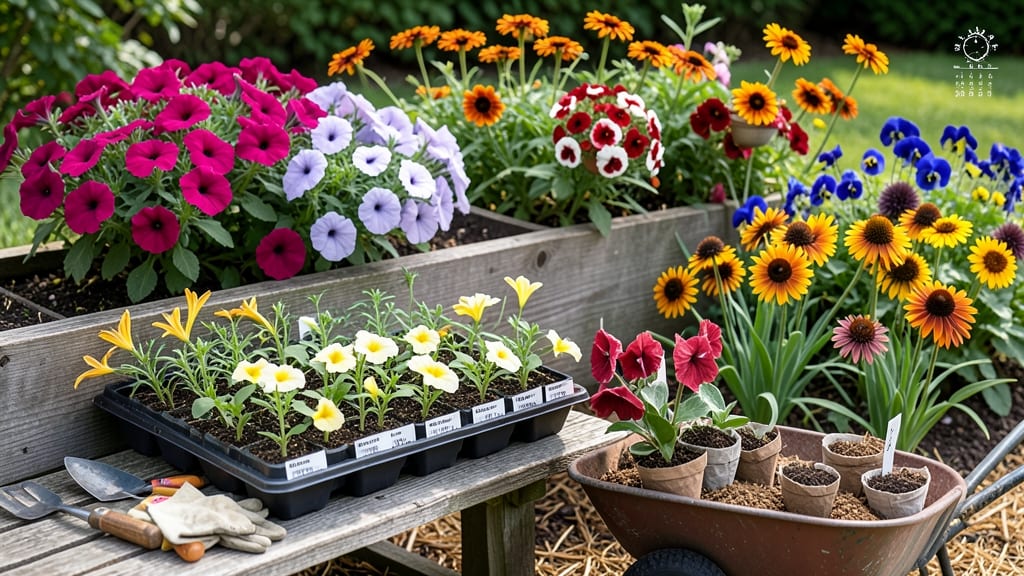
Timing your flowers planting in Pennsylvania can make or break your garden's success—especially with the state's shifting frost dates and USDA Zones 5b-7a. Plant too early, and a late frost could zap your tender blooms before they even sprout.
Too late, and you might miss the ideal window for hardy varieties to establish roots before summer heat sets in.
I’ve spent years tracking Pennsylvania’s planting patterns, and what I’ve learned is that the perfect window isn’t just about the calendar—it’s about understanding your microclimate.
Whether you’re in the cooler Zone 5b mountains or the warmer Zone 7a valleys, knowing when to tuck in your 🌸 annuals, perennials, and bulbs can mean the difference between a vibrant garden and a sad, half-blooming disappointment.
In this guide, I’ll break down the exact deadlines for spring and fall planting, tailored to Pennsylvania’s frost-free averages and regional quirks.
You’ll discover which flowers thrive when planted in late March, which need to wait until May, and how to adjust for those unpredictable weather swings that love to throw gardeners for a loop.
Ready to transform your garden into a blooming paradise? Let’s dive into the must-know dates and strategies that will have your flowers popping up on schedule—no guesswork required.
Pennsylvania flower planting timeline by USDA Zone (5-7) and hardiness
Pennsylvania’s diverse USDA Zones 5b-7a mean your last frost date can vary by 2-3 weeks from south to north. In Zone 5b (north), expect April 20-25 for average last frost, while Zone 7a (south) typically sees April 5-10.
These dates determine whether tender annuals like petunias survive or hardy perennials like coneflowers thrive.
For fall planting, aim for August 15-September 15 to establish roots before first frost (typically October 15 in north PA, October 25 in south). Bulbs like tulips and daffodils need 6-8 weeks of cool soil before winter dormancy, so plant them by October 1.
🌱
| Plant Type | USDA Zone | Spring Planting Window | Fall Planting Window | Hardiness Notes |
|---|---|---|---|---|
| Annuals (e.g., petunias, marigolds) | 5b-7a | After last frost (April 15-May 1) | N/A (tender) | Frost-sensitive; use row covers |
| Perennials (e.g., black-eyed Susan, coneflower) | 5b-7a | March 15-April 30 | August 15-September 15 | Cold-hardy; establish roots before winter |
| Bulbs (e.g., tulips, daffodils) | 5b-7a | September-October (fall) | N/A (plant in fall) | Need 6-8 weeks of cool soil |
| Tender perennials (e.g., cannas, dahlias) | 6a-7a | After May 15 (warmer soil) | N/A (dig tubers in fall) | Frost-killed; treat as annuals |
| Cold-hardy annuals (e.g., pansies, snapdragons) | 5b-7a | March 1-April 15 | N/A (some varieties) | Tolerate light frost; plant early |
In Zone 5b, where late frosts are common, delay planting tender annuals until May 1 to avoid 32°F damage. For Zone 7a, you can start warm-season flowers like zinnias as early as April 1, but monitor soil temperatures—they need 60°F+ to germinate.
Pro tip: Use row covers to extend your spring planting window by 2-3 weeks for heat-loving annuals. For example, geraniums planted under cover in late March can bloom 4 weeks earlier than uncovered plants.
🌿
For fall planting, focus on perennials and cool-season annuals. Pansies and stock planted in August will bloom until snowfall, while bulbs like crocuses need 6 weeks in the ground before winter.
In Zone 5b, aim to plant bulbs by October 1; in Zone 7a, you have until November 1.
🌡️ Soil temperature is your best guide: Use a soil thermometer to confirm 50°F+ for spring planting and 60°F+ for warm-season flowers. In Pennsylvania’s
Best flowers to plant in early spring vs. late spring (PA-specific guide)
Pennsylvania’s early spring (March-April) and late spring (May-June) offer distinct planting opportunities for flowers. Cold-hardy varieties like pansies and tulips can handle late frosts, while heat-loving petunias and marigolds need warmer soil to thrive. Choosing the right flowers for each window ensures vibrant blooms all season long.
In early spring, focus on perennials and bulbs that tolerate cooler temperatures. These plants establish roots before summer heat arrives, giving them a head start. Meanwhile, late spring is ideal for annuals that crave warmth, like geraniums and zinnias, which won’t survive frost.
Here’s how to match your flowers to Pennsylvania’s two critical planting windows:
Early Spring Planting (March–April)
- Cold-hardy varieties survive late frosts
- Establishes root systems before summer heat
- Longer blooming season for perennials
- Limited annual options (most need warmth)
- Slower growth rate in cool soil
- Risk of soil compaction from rain
Late Spring Planting (May–June)
- Perfect for heat-loving annuals (e.g., petunias)
- Faster growth and blooming
- Wider color and variety selection
- Missed early-season blooms from perennials
- Higher water needs during summer heat
- Late frosts can still damage tender plants
For early spring, prioritize pansies, violas, and tulips, which handle 32°F temperatures. These flowers add color to gardens as soon as snow melts, often blooming by May.
In contrast, late spring is the time to plant impatiens, begonias, and sunflowers, which need consistent warmth to flourish.
Pro tip: Use mulch in early spring to insulate soil and protect young plants from temperature swings. For late spring, opt for drought-tolerant varieties like lavender or salvia to reduce summer watering stress. Both strategies help maximize your garden’s potential despite Pennsylvania’s unpredictable climate.
Adjust your planting schedule based on your local last frost date. Southern PA (Zone 7) can plant later than northern areas (Zone 5), so always check microclimate conditions in your specific region. With the right timing, your garden can burst into color from spring through fall.