
Flowers
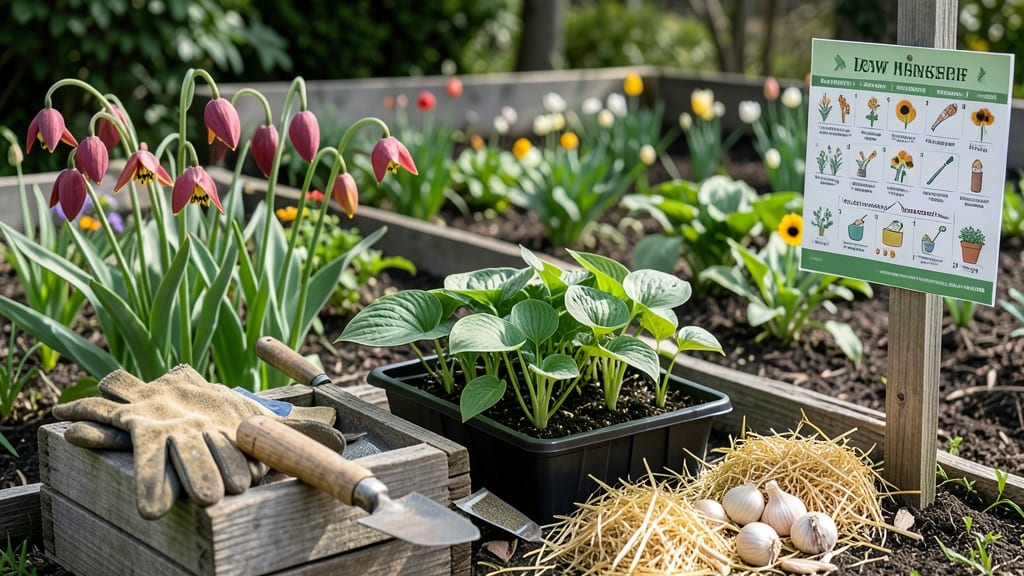
Timing your planting flowers in NH perfectly means the difference between a showstopping garden and a sad, frost-nipped disappointment.
New Hampshire’s Zone 5b climate throws curveballs with its unpredictable frosts, but knowing the right windows—like April 15 to May 15 for spring bloomers or August 15 to September 15 for fall varieties—lets you beat the weather.
I’ve learned the hard way that planting too early can turn your 🌸 into a sad, icy mess, while waiting too long might mean missing peak bloom season. The key? Understanding your local microclimate and last frost dates—because what works in southern NH might not fly in the White Mountains.
In this guide, I’ll walk you through the exact month-by-month planting schedule for NH’s top flowers, from cold-hardy perennials to heat-loving annuals. You’ll also discover how to stretch your growing season with row covers and which varieties thrive in our short but sweet summer.
Ready to turn your garden into a year-round paradise? Let’s get those flowers in the ground at the perfect time—no more guesswork, just gorgeous blooms.
New Hampshire’s last frost dates by region: when to plant flowers safely
New Hampshire’s last frost dates vary dramatically from the southern coast to the northern mountains, making it critical to know your exact zone.
The average last frost for most of the state falls between April 15 and May 15, but coastal areas like Portsmouth often see frost-free conditions by April 1, while higher elevations near the White Mountains can linger until May 25.
These differences mean your flower planting timeline should shift based on your location.
For annual flowers, like petunias or marigolds, wait until two weeks after your area’s last frost date to transplant seedlings. Perennial flowers, such as coneflowers or daylilies, are hardier and can often handle early spring planting as soon as the soil thaws.
But if you’re unsure, use a frost watch from the National Weather Service or local gardening groups for real-time updates.
Microclimates—like south-facing slopes or urban heat islands—can also push last frost dates 1-2 weeks earlier than official averages. Test your soil temperature with a soil thermometer; most flowers prefer 50°F+ soil before planting.
If temperatures dip below 40°F at night, protect tender seedlings with row covers or cloche tunnels.
Here’s how frost-free dates impact your planting strategy:
🌱 New Hampshire’s Last Frost Zones & Planting Timeline
| Region | Avg. Last Frost | Safe Planting Window | Best Flowers for Early Planting |
|---|---|---|---|
| Southern NH (Portsmouth, Nashua) | April 1 - April 15 | April 15 - May 1 | Tulips, Daffodils, Pansies, Snapdragons |
| Central NH (Concord, Manchester) | April 15 - May 1 | May 1 - May 15 | Peonies, Bearded Iris, Marigolds, Zinnias |
| Northern NH (Laconia, White Mountains) | May 1 - May 25 | May 15 - June 1 | Delphiniums, Lupines, Coneflowers, Black-Eyed Susans |
✅ Pro Tip: Use cool-season flowers (like lettuce or radishes) as early indicators—if they thrive, your flower beds are ready!
Cool-season flowers, such as pansies, violas, and sweet peas, can often tolerate light frosts and even bloom earlier in the year. These hardy annuals are perfect for March-April planting in most of NH.
Meanwhile, warm-season favorites like tomatoes, impatiens, and geraniums should never go into the ground until after Memorial Day (around May 25), when soil temperatures consistently stay above 60°F.
If you’re eager to get started but worried about late frosts, consider staggered planting. Sow a few slow-to-germinate seeds (like lupines) in early May, then add faster growers (like zinnias) a week later.
This ensures continuous blooms even if Mother Nature throws a curveball. For perennials, divide and transplant in early spring (April) or early fall (September) to give roots time to establish before winter.
Don’t forget to mark your calendar for first frost dates, too—typically October 15 in southern NH and October 1 in the north. This helps you time fall plantings of bulbs (like tulips and daffodils) or hardy perennials for next year’s blooms.
A simple gardening journal can track your local frost dates year after year, helping you refine your planting schedule.
For extra peace of mind, invest in a frost alarm or set up a DIY frost sensor using a glass jar and water. When the water freezes, you’ll know it’s time to cover your tender plants.
With these strategies, you’ll avoid the heartbreak of frost-nipped blooms and enjoy a longer, more vibrant flower season in NH.
🌷
Best flowers to plant in NH by month: a seasonal planting guide
New Hampshire’s short growing season means every week counts when planting flowers. My month-by-month guide helps you align your flower varieties with NH’s Zone 5b climate, ensuring blooms from spring to fall.
Whether you’re sowing seeds or transplanting bedding plants, these timelines account for last frost dates and hardy perennials that thrive here.
Start with cool-season flowers like pansies and snapdragons in early spring, then transition to warm-season favorites such as petunias and marigolds after Memorial Day. For perennials, fall is the ideal time to plant—roots establish before winter, giving you a head start next season.
I’ll also share my pro tips for adjusting planting times when NH’s weather throws curveballs (like late frosts or early heatwaves).
🌱 Key Tip: Always check soil temperature—warm-season flowers need soil at at least 50°F before planting. Use a soil thermometer for accuracy!
Plant pansies, snapdragons, and sweet peas for early color. Tulip and daffodil bulbs can go in the ground now—they’ll naturalize over time!
Transplant petunias, geraniums, and marigolds after May 15 (average last frost). Start zinnia and sunflower seeds indoors now.
Add cosmos, black-eyed Susans, and nasturtiums for mid-summer blooms. Deadhead spent flowers to encourage more blooms!
Plant mums, asters, and goldenrod for late-season color. Perennials like coneflowers can go in now too—they’ll establish roots for next year.
Plant spring-blooming bulbs (tulips, crocuses) and hardy perennials like Siberian wallflowers. Mulch heavily to protect roots.
For container gardening, you can plant petunias and geraniums a few weeks earlier than in-ground flowers—they warm up faster in pots. If you miss the spring planting window, don’t worry! Many annuals like zinnias can be sown directly into the garden until July 1 for fall blooms.
My go-to foolproof flowers for NH gardeners? Pansies (they handle frost), black-eyed Susans (drought-tolerant), and mums (late-season color). These varieties adapt well to NH’s unpredictable weather and give you months of blooms with minimal fuss.
Pro tip: Keep a planting journal to track which flowers thrive in your specific microclimate. Note when you plant, how they perform, and adjust next year’s schedule accordingly. Over time, you’ll fine-tune your garden’s timing perfection!