
Flowers
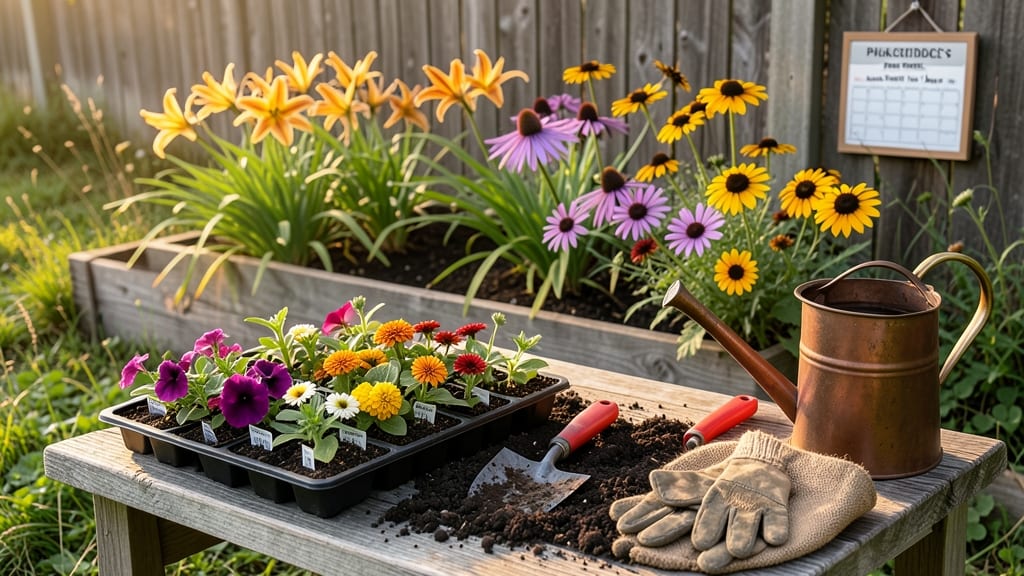
Timing your when to plant flowers in Philadelphia can mean the difference between a vibrant garden and a frost-kissed disappointment—especially in Zone 7a, where spring weather plays hide-and-seek.
You’ve probably stared at seed packets in March, wondering if it’s too early, or panicked in May when the calendar says "go," but the ground still feels like winter’s leftovers.
The key isn’t just waiting for the last frost (usually around April 15), but knowing which 🌸 flowers can handle Philly’s quirks—like sudden cold snaps or soggy soil.
Annuals like petunias and marigolds love basking in post-frost warmth, while perennials such as coneflowers might need a head start in March if you’re brave enough. And let’s not forget bulbs: tulips and daffodils need their 6-8 weeks in the ground before the frost says goodbye.
What if I told you there’s a zero-frost-risk window that works for nearly every flower type? Whether you’re a first-time gardener or a seasoned green thumb, this guide will help you plan your planting calendar like a pro—no more guessing games.
Let’s turn your Philadelphia garden into a blooming masterpiece, one season at a time.
From cold-hardy pansies to heat-loving zinnias, we’ll break down the best months to plant, how to protect your babies from late frosts, and even when to start sowing indoors. Ready to dig in?
Philadelphia’s last frost dates by flower type: safe planting windows for zero-frost risk
Philadelphia’s USDA Zone 7a-7b means we enjoy a long growing season, but those late spring frosts can still sneak in. The average last frost date hovers around April 15, though city microclimates (like heat islands) may push it to May 1 in urban areas.
For suburban gardens, aim for April 22 as your safest bet. Understanding these planting windows ensures your annuals, perennials, and bulbs thrive without frost damage.
Timing varies by flower type: annuals like petunias and marigolds need warm soil (60°F+), while perennials such as coneflowers can handle cooler temps. Bulbs like tulips and daffodils, however, must be planted 6-8 weeks before frost—typically by October for fall or early spring once soil thaws.
Philadelphia’s first frost usually arrives around November 15, so fall planting for tender varieties should wrap up by September 15.
City vs. suburb adjustments matter too. Urban areas with concrete heat absorption may warm up faster, allowing earlier planting. Meanwhile, windier suburban edges can delay soil warming by 1-2 weeks. Always check your local microclimate—a quick walk around your neighborhood reveals which spots stay frost-free longest.
For annuals, the last frost date is your cue to plant seeds or transplants outdoors. Petunias and marigolds, for example, can handle light frost but prefer warm soil. Use a soil thermometer to confirm temps—60°F+ is ideal.
If your soil is still chilly, opt for cold-hardy annuals like pansies or snapdragons, which bloom even in 40°F weather.
Perennials like coneflowers and black-eyed Susans are more forgiving. They thrive when planted in early spring (March–April) or early fall (September), giving roots time to establish before winter. Divide perennials in spring (after frost) to rejuvenate clumps and encourage bigger blooms next year. Philadelphia’s humid summers also mean these plants appreciate well-draining soil to prevent root rot.
Bulbs deserve special attention. Tulips and daffodils should be planted in fall (October) for spring blooms, but spring-planted bulbs (like hyacinths) can still thrive if soil temps are 50°F+.
Use a bulb planter or your finger to dig holes 6 inches deep and twice as wide as the bulb. Add a layer of compost to the bottom for nutrients.
Pro tip: Mulch after planting to insulate bulbs from temperature swings. In urban areas, where heat islands delay frost, you might push planting dates 1-2 weeks earlier.
Always monitor your local weather forecast—Philly’s unpredictable spring can bring late frosts even after April 15. Have row covers ready to protect tender seedlings if needed.
For container gardening, timing shifts slightly. Potted flowers warm up faster, so you can plant 1-2 weeks earlier than in-ground varieties. Just ensure containers have drainage holes to prevent waterlogged roots, which are especially risky in Philly’s humid summers.
Move containers indoors or to a garage if frost is forecasted after planting.
Remember: Philly’s frost dates aren’t set in stone. Use these guidelines as a starting point, but always stay flexible. A frost-free forecast for 3 consecutive nights is your green light to plant tender annuals. Happy gardening—and may your blooms outshine the city’s skyline! 🌸
How to extend Philadelphia’s planting season: cold-hardy flowers and frost protection tips
Philadelphia’s last frost date hovers around April 15, but that doesn’t mean you’re locked into waiting until then to plant. With the right cold-hardy flowers and frost protection strategies, you can start planting as early as late February—giving your garden a head start on the season.
I’ve tested these methods in my own Philly garden, and they’ve helped me enjoy blooms weeks earlier than neighbors who wait for the official frost-free date.
The key is choosing frost-tolerant varieties like pansies, snapdragons, and violas, which can handle light frosts down to 20°F. These workhorses thrive in cooler temps and even add color to winter landscapes if planted in fall.
For extra insurance, I pair them with row covers or cloches—simple tools that raise soil temperatures by 5-10°F and shield delicate seedlings from sudden cold snaps.
Here’s my 5-step