
Flowers
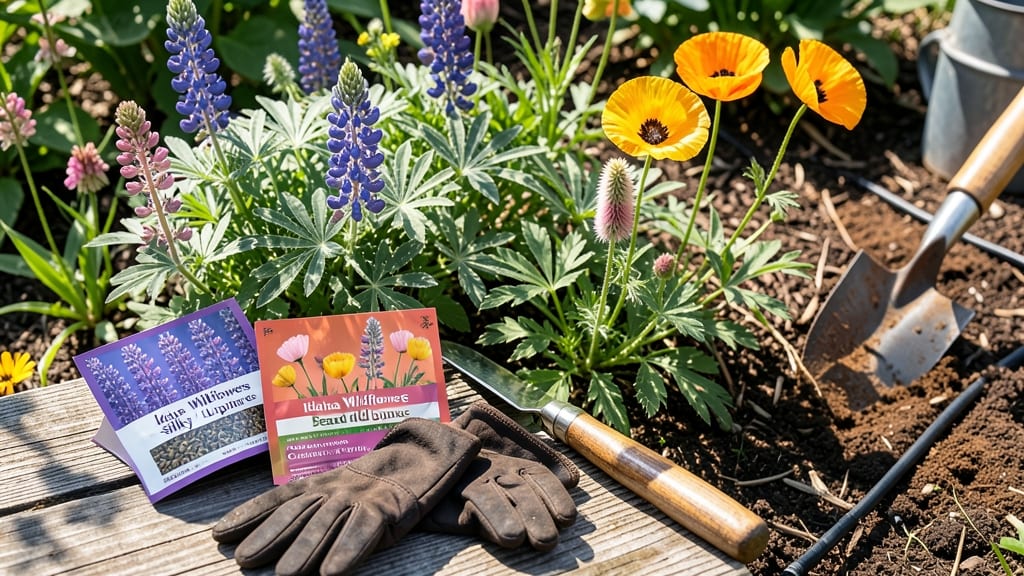
Timing when to plant flowers in Idaho perfectly means the difference between a showstopping garden and a sad, wilted disappointment—especially when you're dealing with everything from snowy mountain valleys to dry desert heat.
Whether you're dreaming of 🌸 bursting with color in Boise or Coeur d’Alene, getting those planting dates right is non-negotiable.
Idaho’s USDA Zones 4b-7b throw a curveball with their unpredictable frost patterns, but I’ve got the inside scoop on when to start seeds, transplant seedlings, and tuck in perennials for maximum survival.
Spring and fall are your golden windows—March 15 to May 15 and August 15 to September 15—but even then, your location matters.
Mountain gardeners in McCall face a different game than those in the Treasure Valley, where soil warms faster. I’ll break down exactly when to plant annuals, perennials, and bulbs so you can avoid the heartbreak of frost-nipped blooms.
Plus, I’ll share pro tips for adjusting timing based on microclimates—because Idaho’s weather is as varied as its landscapes.
Ready to turn your garden into a year-round paradise? Let’s dive into the exact timelines and strategies that’ll have your flowers thriving from Zone 5 to Zone 7, no matter where you are in the Gem State.
Idaho flower planting timeline by USDA Zone 5-7: exact dates for zero-frost risk
Timing is everything when planting flowers in Idaho, where USDA Zones 5-7 create dramatic shifts between freezing mountain air and scorching valley heat. Missing the last frost date can mean lost blooms, while planting too early risks frost damage.
My garden thrives when I follow these zone-specific timelines, adjusted for Idaho’s unique microclimates.
For Zone 5 (northern Idaho, like Coeur d’Alene), aim to plant cool-season flowers like pansies or snapdragons by April 15 after the last frost.
Warmer Zone 7 (Treasure Valley) gardeners can start annuals like marigolds as early as March 15, but always check soil temperatures—50°F (10°C) is the magic number for most flowers.
| Zone & Region | Last Frost Date | Spring Planting Window | Fall Planting Window | Best Flowers |
|---|---|---|---|---|
| Zone 5 Coeur d’Alene, Sandpoint |
April 15 | April 15 - May 15 | August 15 - September 1 | Pansies, Snapdragons, Delphinium |
| Zone 6 Boise, Moscow |
April 30 | April 1 - May 10 | August 1 - September 10 | Petunias, Zinnias, Coneflowers |
| Zone 7 Twin Falls, Lewiston |
May 15 | March 15 - April 30 | August 15 - October 1 | Marigolds, Dahlias, Sunflowers |
My Zone 6 Boise garden blooms brightest when I plant cool-season flowers in early April and heat-lovers like zinnias in late May. The key is watching for consistent nighttime temperatures above 50°F—this signals it’s safe to transplant tender seedlings.
For bulbs like tulips or daffodils, plant in fall (October-November) for spring color.
Idaho’s high desert regions (Zone 7) have longer growing seasons, but drought stress is a real threat. I always mulch newly planted flowers with 2-3 inches of straw to retain moisture.
For annuals like sunflowers, start seeds indoors by March 1 to beat the heat and give them a head start.
Fall planting is just as critical—August 15-September 15 gives flowers time to establish roots before winter. My perennials like coneflowers thrive when planted in early fall, as cooler temps reduce transplant shock. Avoid planting after September 15, or new growth may not harden off before frost.
Pro tip: Use Idaho State University’s frost date maps (available online) for hyper-local timing. Mountain areas like McCall (Zone 5) can have frost 2-3 weeks later than valley towns, so adjust accordingly. Container gardens in urban areas also warm up faster—plant 1-2 weeks earlier than ground plantings.
For heat-sensitive flowers like impatiens, wait until after June 1 in Zone 7 to avoid wilting. Meanwhile, drought-tolerant lavender can handle July planting with minimal watering. Always check the back of seed packets for Idaho-specific notes—many include regional planting advice!
Remember: Soil temperature matters more than air temperature. Use a soil thermometer to confirm 50°F+ before planting. My Zone 6 garden once lost $40 worth of marigolds because I planted too early—now I wait for that consistent warmth before committing.
Plan ahead for succession planting: Start a second round of annual
Best flowers to plant in Idaho by season: cold-hardy vs. heat-loving varieties
Idaho’s diverse seasons demand smart flower choices. Cold-hardy varieties like bearded iris and lupine thrive in spring’s chill, while heat-lovers such as zinnia and sunflower shine in summer’s warmth. Mixing both ensures year-round color—just match each to Idaho’s USDA Zones 5-7.
For spring planting, prioritize perennials that tolerate late frosts. Delphinium and peony bloom early, while annuals like snapdragons need warm soil (wait until May 1 in most areas). In summer, focus on drought-tolerant picks like lavender or gaillardia to beat Idaho’s low humidity.
🌸 Spring vs. Summer Flowers in Idaho
| Category | Best Picks | Planting Tip |
| Spring | Bearded Iris, Lupine, Peony, Snapdragons | After last frost; amend soil with compost. |
| Summer | Zinnia, Sunflower, Lavender, Gaillardia | Direct-sow after soil warms to 60°F+. |
| Fall | Chrysanthemum, Asters, Pansies | Plant 6-8 weeks before first frost. |
Fall brings cool-season champions like chrysanthemums and asters, which bloom until frost. For extended color, pair them with pansies—they handle light freezes and add early spring interest. Bulbs like tulips and daffodils should go in September to establish roots before winter.
Idaho’s high desert regions (e.g., Twin Falls) need drought-resistant flowers like yarrow or blanket flower. In valleys, where summers are hotter, shade-loving options such as columbine or foxglove thrive under partial shade.
Always check local microclimates—a north-facing slope may stay cooler longer than your neighbor’s south-facing yard.
Pro tip: Deadhead spent blooms to encourage reblooming, especially with annuals like petunias. In Zone 7 (e.g., Boise), you can even extend summer by planting heat-tolerant geraniums in late June for a second flush of color.
Start with 3-5 varieties to avoid overwhelm. Group sun-lovers together and shade plants under trees. Idaho’s short growing season rewards planning—choose wisely for maximum impact with minimal effort. 🌿