
Flowers
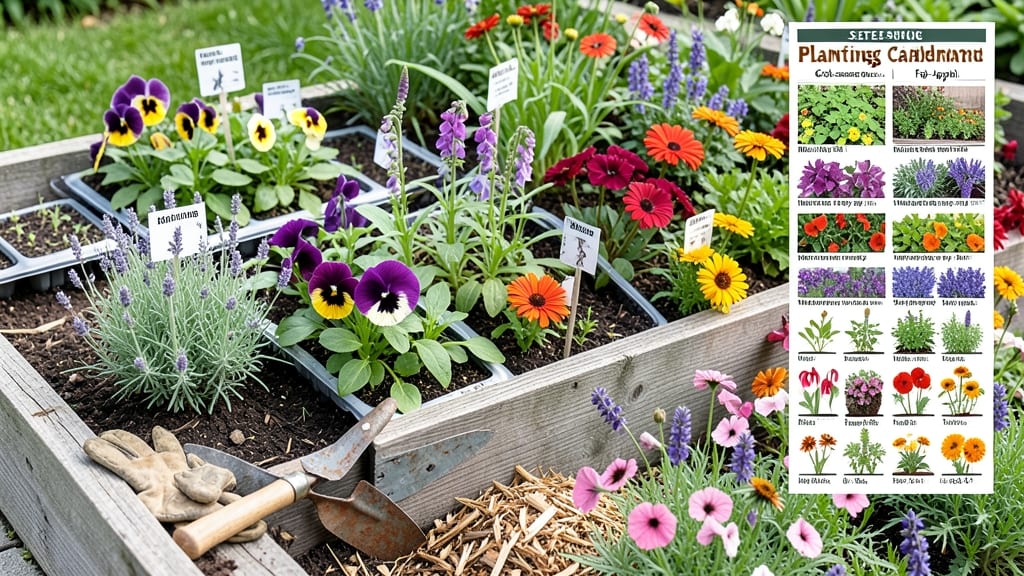
Timing when to plant flowers in Seattle just right can mean the difference between a garden bursting with color and one that struggles to take root. With the city's cool, wet climate and unpredictable frost dates, knowing exactly when to plant is the key to success.
Most Seattle gardeners focus on two main planting windows: spring and fall. Spring is your best bet for cool-season flowers like pansies and snapdragons, while fall gives perennials a head start for next year's blooms. But with USDA Zone 8a conditions, even these general rules need some local tweaks.
I've seen firsthand how a few weeks too early can leave delicate plants vulnerable to late frosts, while waiting too long might mean missing the optimal growing window. The secret lies in understanding your microclimate and preparing your soil properly before the first seeds go in.
In this guide, I'll break down the exact months for planting both cool-season and warm-season flowers, plus pro tips for extending your blooming season in Seattle's chilly climate. Let's get your garden thriving all year round.
Seattle’s cool-season flower planting schedule: best times for spring & fall
Seattle’s cool, wet climate creates perfect conditions for cool-season flowers like pansies, snapdragons, and sweet peas. These hardy plants thrive when temperatures hover between 40°F and 70°F, making early spring and fall ideal planting windows.
Unlike warm-season flowers, cool-season varieties can even handle light frosts, giving you a head start on vibrant blooms.
For spring planting, aim to sow seeds or transplant seedlings 4-6 weeks before your last frost date (typically around March 15). This timing allows roots to establish before the soil warms up.
In fall, plant cool-season flowers 6-8 weeks before the first frost (usually by September 15) to ensure they bloom before winter sets in.
🌱
| Plant Type | Best Planting Window | Soil Prep | Frost Tolerance |
|---|---|---|---|
| Pansies | March-April, September-October | Well-draining, slightly acidic | Tolerates light frost |
| Snapdragons | March-April, September | Rich, loamy soil | Survives 28°F |
| Sweet Peas | March-April (direct sow) | Support trellis, well-draining | Tolerates 25°F |
| Calendula | April-May, September | Sunny, fertile soil | Tolerates 20°F |
| Dianthus | March-April, September | Well-draining, alkaline soil | Tolerates 15°F |
Before planting, prepare your soil by amending it with compost to improve drainage—Seattle’s heavy clay soil can become waterlogged. Aim for a pH between 6.0 and 7.0 for most cool-season flowers.
For fall plantings, focus on hardy perennials like asters or chrysanthemums, which establish roots early and bloom before winter.
To protect young seedlings from late spring frosts, use row covers or cloches until temperatures stabilize. Monitor your local microclimate—urban areas may warm up faster than suburban gardens, so adjust planting dates accordingly. For container gardening, use lightweight potting mix and move pots indoors if frost threatens.
🌿
Extend your cool-season blooms by succession planting every 2-3 weeks in spring. This ensures a continuous display of color from early spring through fall. Pair cool-season flowers with early-blooming bulbs like crocuses or daffodils to create a layered, long-lasting garden.
Remember, mulching with straw or shredded leaves helps retain moisture and regulate soil temperature.
For fall plantings, prioritize fast-growing varieties like stock flowers or larkspur, which mature quickly before cold sets in. Avoid planting tender annuals too late in the season—they won’t survive Seattle’s winter rains and chill.
Instead, opt for biennials like foxgloves, which establish roots in fall and bloom the following year.
🌧️
Pro tip: Use a soil thermometer to check when soil temperatures reach 50°F—this is the ideal range for cool-season flower seeds to germinate. If your soil is still too cold, start seeds indoors under grow lights 6-8 weeks before your target planting date.
This head start gives seedlings a competitive edge
Warm-season flowers in Seattle: when to plant for summer blooms (with heat tolerance tips)
Seattle’s warm-season flowers thrive when planted after the last frost, typically around mid-May. Unlike cool-season blooms, these varieties—like zinnias, sunflowers, and marigolds—need consistent warmth to flourish.
The key is starting seeds indoors 4-6 weeks before your target planting date to give them a head start against the city’s cool, damp springs.
Direct-sow heat-loving flowers like cosmos and portulaca after May 15, when soil temperatures consistently stay above 60°F. These plants tolerate Seattle’s late-summer heatwaves better than others, making them ideal for extending your bloom season into early fall.
For container gardens, opt for compact varieties like bachelor’s buttons or nasturtiums, which handle Seattle’s urban microclimates well.
🌱
Warm-Season Planting Pros & Cons
PROS
- ✅ Longer bloom season with proper care
- ✅ Heat-tolerant varieties thrive in late summer
- ✅ Container-friendly for urban gardens
CONS
- ❌ Risk of fungal diseases from Seattle’s humidity
- ❌ Late frosts can damage young plants
- ❌ Requires consistent watering during heatwaves
To protect your warm-season flowers from Seattle’s unpredictable weather, use drip irrigation to avoid wetting foliage (which encourages powdery mildew). Pair heat-lovers with companion plants like basil or oregano to deter pests naturally. For example, marigolds repel nematodes, while nasturtiums attract beneficial insects like ladybugs.
Extend your summer blooms by planting late-season varieties like celosia or gaillardia in early July. These tolerate cooler temperatures better than traditional summer flowers. In containers, swap out finicky annuals for drought-tolerant options like verbena or lantana, which handle Seattle’s spotty sunshine and occasional rain with ease.
Monitor your garden closely in August and September, as Seattle’s temperature swings can stress plants. If a late frost threatens, cover tender blooms with frost cloth or move containers to a sheltered spot.
With the right timing and care, your warm-season garden can bloom well into October, giving you a stunning fall display before winter sets in.
🌻