
Plants
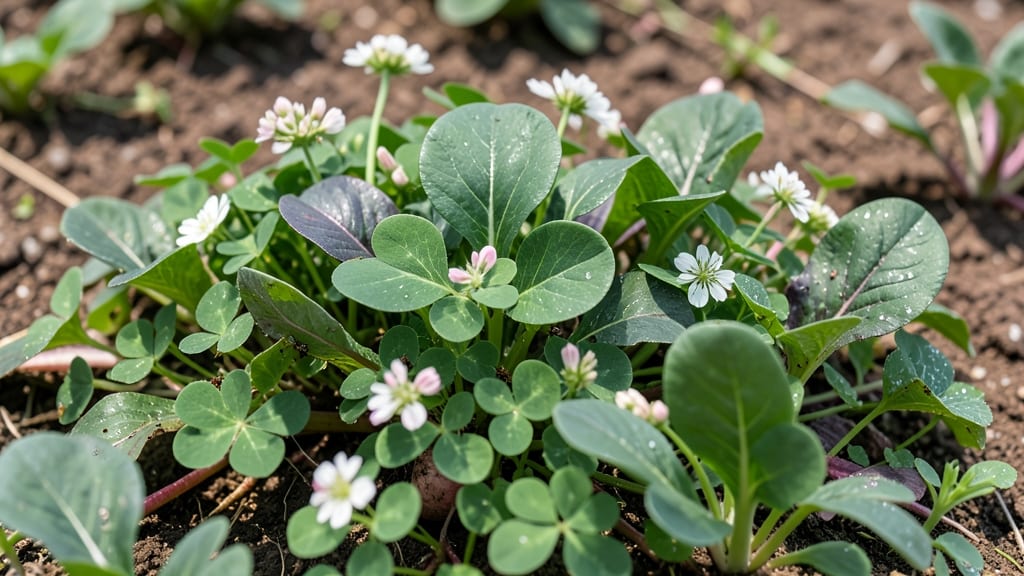
When to plant food plots for deer in Louisiana isn’t just about throwing seeds in the ground—it’s the difference between a patchy, half-hearted plot and a lush, deer-magnet 🌾 that keeps bucks coming back all season. With our warm winters and steamy summers, you’ve got two prime windows to plant: late February through March for spring growth and August to September for fall forage, both timed to outsmart Louisiana’s quirks like humidity and hurricane risks.
Most hunters miss the mark by planting too late in spring or too early in fall, leaving their plots struggling when deer need them most.
I’ve seen firsthand how a well-timed August planting can produce thick, palatable forage just as bucks start rutting—while a rushed March effort often fizzles under summer heat. The key is matching your seed mix to the season: cool-season clovers and brassicas in spring, heat-loving sorghum and millet in late summer.
What separates a good plot from a great one? It’s not just the seeds—it’s the soil prep, watering schedule, and knowing when to fertilize without burning your plants in this climate.
I’ll walk you through the exact steps to plant at the perfect moment, avoid common Louisiana mistakes (like overwatering in humidity), and keep your plots thriving year-round for maximum deer activity.
Ready to turn your property into a deer destination? Let’s dive into the fastest, most reliable planting schedule for Louisiana’s unique conditions—so you can start filling your stand with hungry bucks in no time.
Louisiana food plot planting calendar: best months by season for maximum deer impact
Louisiana’s humid subtropical climate gives you two prime windows to plant deer food plots: late winter/early spring and late summer/early fall.
These periods align with deer’s natural feeding patterns and your soil’s moisture balance. Spring planting (February-March) targets pre-rut growth, while fall planting (August-September) ensures late-season forage when acorns thin out.
Missed the ideal window? Don’t panic—Louisiana’s long growing season (240-300 frost-free days) allows for backup planting in April or July. However, summer plots require extra shade cloth to protect seedlings from intense sun and potential hurricanes. Timing isn’t just about months; it’s about moisture, temperature, and deer behavior.
🌱 Key Takeaway: Plant cool-season mixes (clover, brassicas) in spring and warm-season blends (sorghum, millet) in fall for year-round deer appeal. Louisiana’s warm winters (Zone 8a-9b) mean fall plots often outperform northern states, giving bucks a late-season energy boost before rut.
🌾 Louisiana Food Plot Planting Summary
| Season | Best Months | Crops | Soil Temp | Deer Impact |
|---|---|---|---|---|
| Spring | Late Feb - Early Mar | Clover, Brassicas, Rye | 55-65°F | High (pre-rut forage) |
| Early Summer | April (backup) | Sunflowers, Peas | 60-70°F | Medium (heat stress risk) |
| Fall | Aug - Early Sep | Sorghum, Millet, Turnips | 70-80°F | Very High (rut/winter) |
| Late Summer | July (hurricane-proof) | Amaranth, Cowpeas | 75-85°F | High (drought-resistant) |
Spring planting in February-March gives you a 6-8 week head start before Louisiana’s peak summer heat. Aim for soil temperatures above 55°F—use a soil thermometer to avoid cold delays. Brassicas (turnips, radishes) and clover mixes thrive in these conditions, providing high-protein forage that deer crave during pre-rut.
For fall planting (August-September), prioritize warm-season crops like sorghum-sudangrass or millet. These handle Louisiana’s humidity and occasional hurricanes better than cooler mixes. Plant 6-8 weeks before first frost (typically December 1-15) to ensure year-round regrowth.
Pro tip: Overseed with winter rye in late fall for continuous browse.
Louisiana’s hurricane season (June-November) demands flexibility. If you plant in late summer (July-August), choose drought-tolerant crops like amaranth or cowpeas. These handle flash droughts and saltwater intrusion better than traditional plots. Shade cloth (30-50%) is your best friend during peak summer heat (July-August).
Missed the ideal window? April planting works for sunflowers or peas, but expect slower growth in 90°F+ temps. Use drip irrigation to maintain moisture. October planting is risky—deer prefer established plots, but fast-growing turnips can still provide late-season forage if planted by mid-October.
🌿 Pro Tip: Test your soil’s pH (6.0-7.0 ideal) and phosphorus levels before planting. Louisiana’s clay-heavy soils often need gypsum or lime for optimal deer plot performance. Fertilize with 10-10-10 at planting, then top-dress with high-nitrogen (16-4-8) 4-6 weeks later for rapid regrowth.
Timing your food plots isn’t just about months—it’s about reading
Louisiana food plot planting calendar: best months by season for maximum deer impact
Louisiana’s humid subtropical climate means your food plots can grow year-round—but deer activity peaks during spring breeding season and fall rut. Planting at the wrong time risks poor germination or overgrown weeds, so timing your plots to align with these seasons is critical.
The best windows are late winter/early spring (for summer forage) and late summer/early fall (for rut-season appeal).
Missed the ideal window? Don’t panic—Louisiana’s long growing season allows for backup planting opportunities in April or July, though yields may be lower. The key is understanding how soil temps, rainfall patterns, and deer behavior shift with each season.
Let’s break down the optimal planting calendar tailored to Louisiana’s unique conditions, including hurricane season risks and soil prep adjustments.
| Season | Best Planting Window | Key Crops | Deer Impact | Louisiana-Specific Tips |
|---|---|---|---|---|
| Spring | Late February–Early March | Clover, Brassicas, Rye | Peak summer forage (June–July) | Test soil pH (aim for 6.0–7.0); avoid planting before last frost (Feb 15–Mar 1). |
| Fall | August–September | Sorghum, Millet, Winter Peas | Rut-season appeal (Oct–Dec) | Plant after hurricane season (Sept 10+); use hurricane-proof crops like sorghum. |
| Backup | April or July | Fast-growing mixes (e.g., buckwheat) | Lower yield; best for emergency plots | Prioritize shade-tolerant crops in summer; water daily during droughts. |
For spring planting, aim to have your plots fully established by June when deer are most active. Louisiana’s hot, humid summers mean rapid growth, but weed competition can overwhelm young seedlings. Use a pre-emergent herbicide like pendimethalin to suppress weeds without harming your food plot.
If you’re planting clover or brassicas, time it so they’re 6–12 inches tall by late spring—this is when deer start heavily browsing.
Fall is your golden window for rut-season impact. Plant warm-season crops like sorghum or millet in August so they mature by October, when bucks are most aggressive. Louisiana’s hurricane risks in late summer mean you should avoid planting before September 10—wait for stable weather.
If a storm hits, delay planting until soil is dry and compacted to prevent erosion. For fall plots, focus on high-protein crops like winter peas to fuel buck energy during the rut.
Missed both windows? Don’t give up—April or July can still work with fast-growing crops. In April, plant buckwheat or sunflowers for a quick summer harvest. In July, opt for shade-tolerant mixes like lablab bean to survive the heat.
Just know these backup plots won’t be as productive as your primary plantings, so supplement with mineral sites to keep deer interested.
Pro tip: Use a moisture meter to check soil conditions—Louisiana’s clay-heavy soils can become waterlogged after heavy rains. Aim for consistent moisture (not soggy) during germination.
And if you’re planting near wooded edges, deer will find your plots faster. Clear a 10-foot buffer of brush to create a visual and scent funnel that guides deer right to your food source.