
Planting
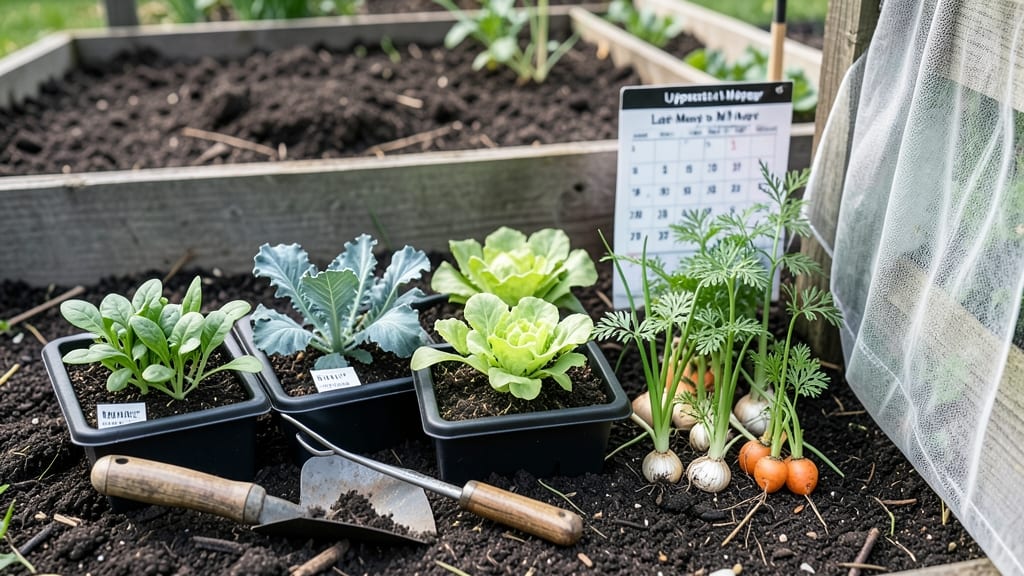
Timing your garden planting in Upstate NY wrong can mean the difference between a bumper crop and a sad, frost-nipped disappointment. The key isn't just knowing when to plant—it's understanding how USDA zones 4-6 create unique windows for everything from spinach to tomatoes.
Upstate's unpredictable frost dates make this tricky, but I've got the exact planting schedule you need to avoid bolting and maximize your harvest. Whether you're in the Finger Lakes or Adirondacks, these proven strategies will help you plant at the perfect moment for your specific microclimate.
We'll cover cool-season crops that thrive in early spring, warm-season plants that need to wait for soil warmth, and how to extend your growing season with simple tricks. No more guessing—just science-backed timing that actually works for Upstate NY gardens.
Let me show you how to plan your planting calendar month by month, so you can enjoy fresh vegetables from summer all the way through fall without wasting time or resources on failed attempts. Ready to grow like a pro?
Upstate NY frost dates by zone: exact planting windows to avoid bolt risk
Upstate New York spans USDA Zones 4-6, where last frost dates can vary by 2-3 weeks between regions like the Finger Lakes and the Adirondacks.
For example, Albany (Zone 5) typically sees its last frost around May 15, while Syracuse (Zone 5b) might wait until May 22.
These differences matter because planting warm-season crops like tomatoes too early can lead to frost damage, while cool-season crops like spinach planted too late may bolt prematurely.
To avoid these pitfalls, I’ve broken down the average last frost dates by zone and matched them to variety-specific planting windows. For instance, peas and spinach can handle light frosts, so they’re safe to plant 4-6 weeks before your last frost date.
Meanwhile, tomatoes and peppers need soil temperatures above 60°F and should wait until 2 weeks after your last frost.
Here’s the critical data you need to plan your garden:
For 2024, Upstate NY experienced earlier-than-average frost dates in some areas due to unpredictable spring weather.
For example, Syracuse saw frost as late as May 28 in 2023, so I recommend using row covers or cold frames to protect tender seedlings until you’re 100% confident the frost risk has passed.
Another critical factor is soil temperature. Even if the air is warm, cold soil can stunt seed germination. Use a soil thermometer to ensure temperatures are above 50°F for cool-season crops and above 60°F for warm-season crops before planting.
For instance, tomato seeds won’t sprout well in soil below 65°F, even if the air is warm.
Pro tip: If you’re in a high-altitude area like the Catskills, add 1-2 weeks to the frost dates listed above. Microclimates near lakes or rivers (like the Finger Lakes) can also delay frost by 3-5 days due to water’s heat-retaining properties.
Always check local Cooperative Extension Service reports for the most up-to-date data.
Finally, bolting (when plants prematurely flower and go to seed) is a common issue in Upstate NY’s unpredictable spring weather. To prevent this, choose slow-bolting varieties like ‘Winter Density’ kale or ‘Early Wonder’ peas, and avoid planting leafy greens too early in the season.
If you notice your plants shooting up flowers, harvest them immediately or pull them to make room for a second planting.
By following these zone-specific frost dates and soil temperature guidelines, you’ll avoid the heartbreak of frost-damaged seedlings or bolted vegetables—and enjoy a bountiful harvest instead. 🌱
Best planting schedule for Upstate NY gardens: month-by-month variety guide
Timing your garden in Upstate New York isn't just about seasons—it's about microclimates and frost-free windows. The Finger Lakes and Adirondacks have different last frost dates, so adjust your schedule accordingly.
For most areas, late April to early June is prime time for cool-season crops, while mid-May to July suits warm-season favorites.
Let’s break it down month-by-month for vegetables, herbs, and flowers that thrive in USDA zones 4-6. I’ll include my top picks for each category, plus succession planting tips to keep your harvests flowing.
For example, lettuce and spinach can handle light frosts, while tomatoes and peppers need warm soil to avoid stunted growth.
- April: Peas, spinach, lettuce, onions (hardy varieties). Start cold frames for broccoli and cabbage.
- May: Radishes, carrots, beets, herbs (basil, parsley). Transplant tomatoes and peppers after last frost.
- June: Cucumbers, beans, squash, marigolds. Succession plant lettuce for fall harvests.
- July: Kale, swiss chard, pansies (for fall color). Direct-sow radishes for quick turnarounds.
- August: Garlic (for next year), cover crops (clover, rye). Extend season with row covers.
For high-altitude areas like the Adirondacks, wait until mid-May for warm-season crops, as frost can linger until June 1. In the Finger Lakes, you might push tomatoes into the ground by May 15—but always check soil temps (60°F+ for tomatoes, 70°F+ for peppers).
Pro tip: Use a soil thermometer to avoid guessing.
Don’t forget succession planting! For example, sow lettuce every 2 weeks from May to July to avoid bolting. Similarly, radishes mature in just 30 days, making them perfect for filling gaps.
My go-to succession crops include bush beans, bok choy, and turnips—all of which tolerate cooler temps better than tomatoes.
If you’re growing perennials like asparagus or rhubarb, plant crowns in early spring (March-April) so they establish roots before summer heat.
For flowers, calendulas and nasturtiums are tough enough to handle Upstate NY’s shorter seasons, while sunflowers and zinnias reward you with bold blooms if planted by mid-June.
Remember: Frost dates shift yearly, so bookmark your local Cooperative Extension Service updates. In 2024, some areas saw last frosts as late as May 10, while others escaped earlier.
When in doubt, harden off seedlings gradually and keep row covers handy for late surprises. Your garden’s success hinges on these small adjustments—trust the process! 🌿