
Plants
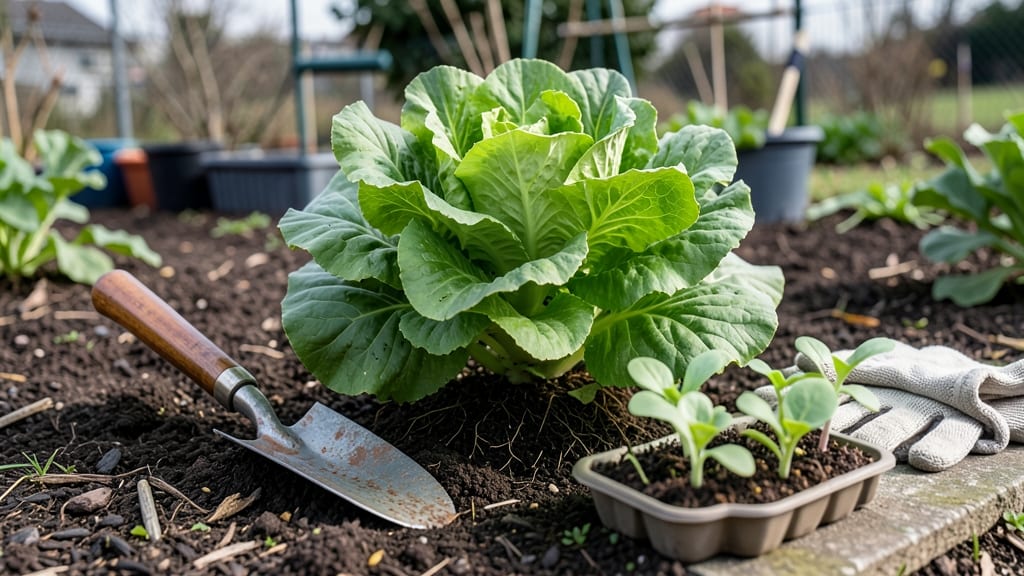
Planting lettuce in Texas at the wrong time means watching your crisp 🥬 turn bitter before you even harvest it. The key to success lies in timing—specifically, avoiding the brutal summer heat that sends lettuce bolting faster than a Texas summer storm.
Texas gardeners in zones 8a-10b have two prime windows: August-October for fall crops and February-April for spring. But getting it wrong can mean wasted seeds and soggy disappointment. Let me show you the exact deadlines by region to maximize your harvest.
Why does this matter? Because bolting isn’t just about taste—it’s about survival. Heat-tolerant varieties and shade tricks can stretch your season, but you’ve got to start right. I’ll break down the science behind Texas’s frost-free zones and how to work with your local climate.
Ready to grow lettuce that stays sweet and crisp? Let’s dive into the planting calendar that’ll keep your garden thriving—and your salad bowl full—throughout the year.
Texas lettuce planting calendar: month-by-month deadlines to avoid bolting
Texas’ long, brutal summers and unpredictable winters make lettuce planting a high-stakes game. The key? Timing your seeds or transplants to avoid heat stress and bolt-resistant windows. North Texas (Zone 8a) has earlier frost dates than South Texas (Zone 10b), so adjust your schedule accordingly.
Lettuce thrives in cool weather (ideal: 60–75°F) and bolts when temps hit 80°F+. In Texas, that means fall planting is your best bet, but spring and late summer escapes are possible with the right varieties and tricks.
Here’s your region-specific planting calendar to maximize crisp, bolt-free lettuce—no guesswork, just results.
| Month | North Texas (Zone 8a) | Central Texas (Zone 8b-9a) | South Texas (Zone 9b-10b) | Best Varieties |
|---|---|---|---|---|
| August | ✅ Direct sow for fall crop | ✅ Direct sow or transplant | ✅ Transplant only (heat-sensitive) | 'Black Seeded Simpson', 'Jericho' |
| September | ✅ Sow every 2 weeks for succession | ✅ Sow or transplant (best month!) | ✅ Sow or transplant (shade cloth) | 'Winter Density', 'Romaine' |
| October | ✅ Last sowing before frost risk | ✅ Sow until Nov 15 | ✅ Sow until Dec 1 | 'Buttercrunch', 'Leaf Red' |
| February | ⚠️ Risky (late frosts) | ✅ Transplant after last frost | ✅ Transplant (shade cloth) | 'Arctic King', 'Parris Island' |
| March | ❌ Avoid (heat stress) | ❌ Avoid (bolting risk) | ❌ Avoid (too hot) | N/A |
| April | ❌ Too late for spring | ❌ Too late (shade only) | ✅ Shade cloth only | 'Little Gem' (shade) |
💡 Pro Tip: Use shade cloth (30-50%) in summer months to lower soil temps by 10–15°F and delay bolting.
For North Texas gardeners, aim to finish sowing by October 15 to harvest before first frost (Dec 1). Central Texas can push lettuce until November 15, while South Texas enjoys a longer window—even December sowings work with shade.
Want to escape summer heat? Try late-July transplants with 50% shade cloth and daily watering. Heat-tolerant varieties like 'Jericho' or 'Black Seeded Simpson' can survive 90°F+ if soil stays cool and moist.
Remember: Succession planting every 2 weeks in fall gives you continuous harvests until winter. Start with small batches to test your microclimate—some elevated beds stay cooler than in-ground soil!
🌱
How to extend lettuce season in Texas heat: shade, varieties, and soil hacks
Texas summers can turn your crisp lettuce into bitter bolts faster than you can say "shade cloth." But with the right strategies, you can grow lettuce year-round—even in 100°F heat. The secret? Combining heat-tolerant varieties, strategic shade, and soil moisture tricks that trick plants into thinking it's autumn.
First, focus on heat-resistant lettuce varieties like 'Black Seeded Simpson' or 'Jericho.' These varieties can handle 85°F+ temperatures without bolting, giving you a fighting chance in late summer. Pair them with 30-50% shade cloth to block the harsh afternoon sun while still letting in enough light for growth.
'Black Seeded Simpson' (butterhead) | 'Jericho' (romaine) | 'Summer Crisis' (leaf)
Install 30% shade cloth in June, upgrade to 50% in July-August during peak heat.
Water deeply every morning (1-2 inches per week) and mulch with 2-3 inches of straw to retain moisture.
Sow new seeds every 2-3 weeks from August to October to ensure continuous harvests.
For fall/winter lettuce, start seeds indoors in late July-August and transplant outdoors after Labor Day. This gives plants a head start before temperatures drop. In North Texas, aim for mid-September transplants, while South Texas gardeners can extend the season until early November.
Don’t forget about container gardening—pots let you move lettuce to shadier spots during heatwaves. Use 5-gallon containers with well-draining soil and fertilize lightly every 4-6 weeks with a 5-10-10 balanced mix. Avoid overfeeding, as excess nitrogen speeds up bolting.
With these tactics, you can enjoy crisp, bolt-free lettuce from late summer through winter, even in Texas’ brutal climate. The key is adapting to heat rather than fighting it—just like the pros do!