
Planting
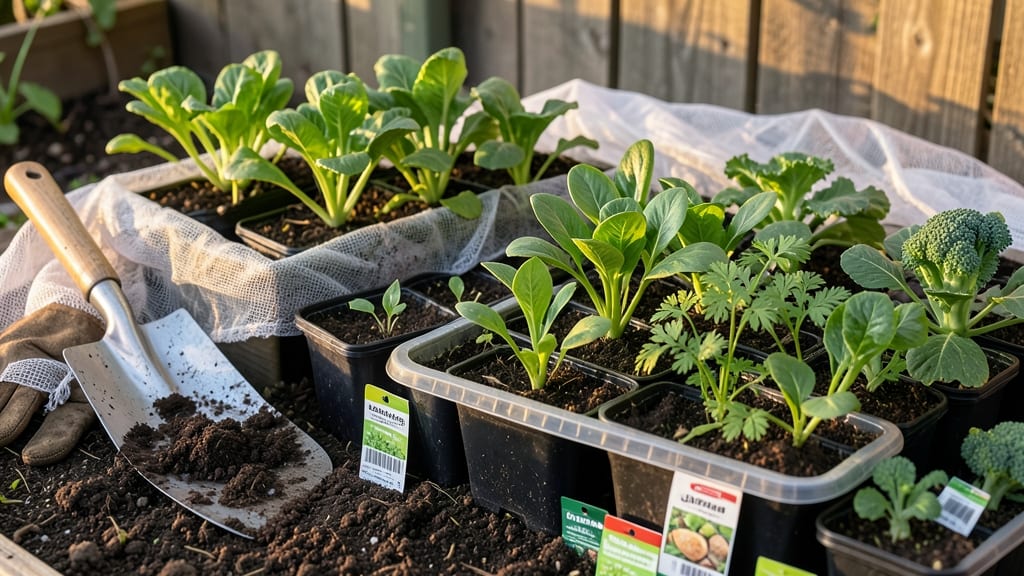
Timing your Garden planting in Wisconsin isn’t just about following a calendar—it’s about beating those sneaky late frosts that can turn your hard work into a sad, icy memory.
With USDA Zones 4a-5b bringing wildly different conditions from north to south, getting the window right means the difference between a bumper crop and a browned mess.
I’ve spent years watching Wisconsin gardens thrive (and sometimes wilt) based on when seeds hit the soil. Whether you’re planting cool-loving 🌱 spinach in early spring or heat-seeking tomatoes in late May, the key is knowing your zone’s average last frost date—and how to adjust when Mother Nature throws curveballs.
Let’s break down the exact moments to start planting, so you can skip the guesswork and enjoy a garden that actually produces.
Most gardeners in Wisconsin make one critical mistake: planting too early just because the soil looks warm. But without checking soil temperatures or accounting for microclimates (like urban heat islands or sheltered valleys), you’re gambling with your Garden.
I’ll show you how to read the signs—from frost-free date calculators to simple soil tests—that tell you exactly when it’s safe to plant everything from peas to peppers.
Ready to turn your Wisconsin plot into a year-round harvest? We’ll cover not just the best months for planting, but also how to stretch your growing season with row covers and succession planting. No more wasted seeds or wilting dreams—just a Garden that grows like it’s supposed to.
Wisconsin last frost dates by USDA Zone: when to start planting
Wisconsin spans USDA Zones 4a to 5b, meaning frost dates vary dramatically from north to south. In Zone 4a (northern Wisconsin), the average last spring frost occurs around May 10-20, while Zone 5b (southern Wisconsin) typically sees frost-free conditions by April 25-May 5.
These dates are critical for deciding when to plant cold-sensitive crops like tomatoes and peppers.
For cold-hardy vegetables such as spinach, peas, and kale, you can start planting as early as 2-4 weeks before your last frost date. These resilient plants tolerate light frosts and can even thrive in cooler temperatures.
Meanwhile, warm-season plants like basil, cucumbers, and squash need to wait until after the last frost and when soil temperatures reach at least 50°F (10°C).
To pinpoint your exact frost dates, use the National Oceanic and Atmospheric Administration (NOAA) frost calculator or check local Wisconsin Extension Service resources. These tools account for microclimates—like south-facing slopes or urban heat islands—which can extend your growing season by 1-2 weeks.
Here’s a quick reference for Wisconsin’s USDA Zones and frost dates to help you plan:
| USDA Zone | Last Spring Frost | First Fall Frost | Cold-Hardy Crops | Warm-Season Crops |
|---|---|---|---|---|
| 4a (Northern WI) | May 10-20 | September 20-October 5 | Spinach, peas, kale | Tomatoes, peppers (after May 25) |
| 4b (Central WI) | May 1-10 | September 10-September 20 | Lettuce, radishes, carrots | Cucumbers, basil (after May 15) |
| 5a (Southern WI) | April 25-May 5 | September 5-September 15 | Broccoli, cabbage, beets | Squash, beans (after May 1) |
| 5b (Far SW WI) | April 15-April 25 | September 1-September 10 | Onions, garlic, potatoes | Melons, okra (after April 30) |
If you’re unsure about your exact zone, use the USDA Plant Hardiness Zone Map or enter your ZIP code into the Wisconsin State Climatology Office frost date tool. These resources provide localized data to help you avoid costly mistakes like planting tomatoes too early in northern Wisconsin.
For container gardening, you can push planting dates slightly earlier or later since pots warm up faster in spring and retain heat longer in fall. However, always monitor soil temperature with a thermometer—warm-season plants won’t thrive until the soil reaches 60°F (15°C) or higher.
Pro tip: Start cold frames or row covers to extend your season. These tools can push back the last frost date by 2-4 weeks, giving you more time to grow heat-loving crops like peppers and eggplants in northern Wisconsin.
Remember, late frosts are common in Wisconsin, so always have a backup plan. Keep tender seedlings indoors or under frost cloth until the risk of frost has passed completely.
Now that you know your frost dates, let’s dive into a month-by-month planting schedule tailored to Wisconsin’s unique climate—whether you’re growing vegetables, flowers, or herbs.
Best planting schedule for Wisconsin gardens: month-by-month guide
Wisconsin’s month-by-month planting schedule keeps your garden thriving year-round. Start with cold-hardy crops in early spring, then transition to heat-loving plants as temperatures rise. Even experienced gardeners use this timeline to avoid common mistakes like planting tender crops too early.
For northern Wisconsin (USDA Zones 4a-4b), focus on late May to early June for most warm-season vegetables. In southern Wisconsin (Zones 5a-5b), you can plant 2-3 weeks earlier. Always check your local frost-free date calculator for precise timing.
🌱 Here’s your month-by-month planting guide:
Cold-hardy crops: Spinach, peas, lettuce, kale, radishes
Perennials: Asparagus crowns, rhubarb
Warm-season veggies: Tomatoes, peppers, eggplants (after last frost)
Flowers: Marigolds, zinnias, petunias
Succession plant: Beans, cucumbers, squash, basil
Extend season: Plant heat-tolerant varieties like okra or sweet potatoes
Cool-season crops: Broccoli, cabbage, carrots, beets
Herbs: Cilantro, parsley, dill (plant 6-8 weeks before first frost)
Don’t forget succession planting—replace harvested crops like lettuce or radishes with new seeds every 2-3 weeks to maximize your harvest. For example, plant bush beans every 10 days from June through July.
In southern Wisconsin, you can even try late-summer plantings of spinach or arugula for a fall harvest. Just cover young plants with frost cloth if temperatures dip below 25°F.
Use this schedule as your gardening roadmap, but always monitor soil temperatures and weather forecasts. A few extra weeks of patience can mean the difference between a healthy harvest and a failed crop.