
Plants
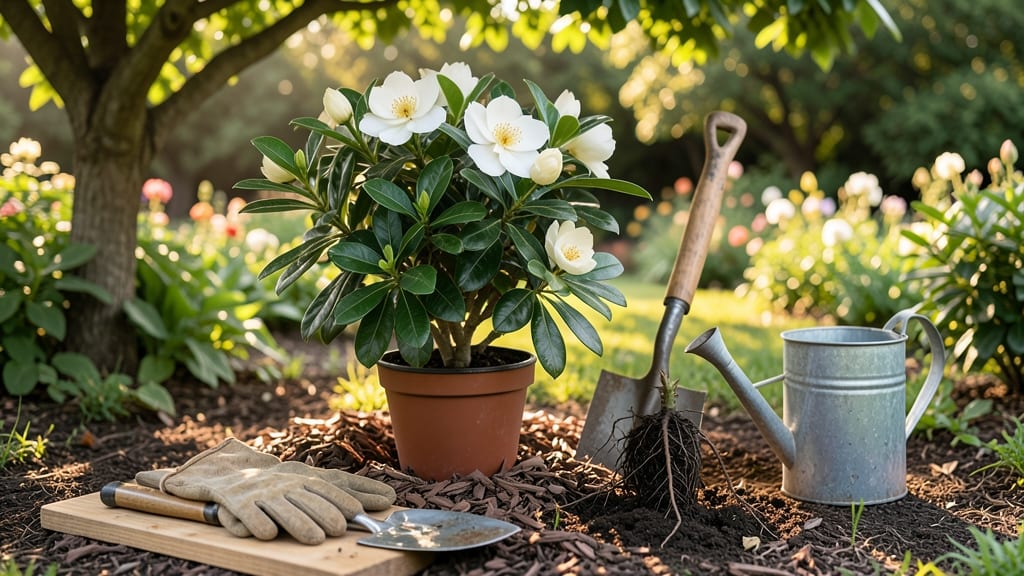
Timing your gardenia planting in North Carolina can make or break whether your 🌸 shrubs thrive or wither before they even bloom. The ideal window—right after the last frost—isn’t just about avoiding cold snaps; it’s about giving those delicate roots the perfect head start in your 7a-8b climate.
If you plant too early, a late frost could turn your $20 investment into a sad pile of brown sticks. But if you wait too long, your gardenia might struggle to establish roots before summer heat sets in.
I’ve seen this happen more times than I can count, and trust me—you want to avoid that heartbreak.
Here’s the good news: with the right timing and a few simple prep steps, you can ensure your gardenias take root like a dream.
Whether you’re planting in-ground or in containers, I’ll walk you through exactly when to dig in, how to prep your soil, and what to watch for in those critical first few weeks.
Let’s get your gardenia off to the best possible start—because once those fragrant blooms appear, you’ll forget all about the waiting game.
Best planting months for gardenias in North Carolina’s climate zones
North Carolina’s diverse climate—spanning USDA zones 7a to 8b—means gardenia planting timing varies by region. In the mountains (zone 6b-7a), wait until after mid-April when soil warms to 60°F+.
Coastal areas (zone 8a) can plant as early as late February, but frost risk lingers until March 15 in most areas. The key is aligning with your last average frost date while ensuring roots establish before summer heat arrives.
Gardenias thrive when planted during their active growth phase, which begins in spring. For zone 7b-8a (central NC), aim for March through early April. This window balances soil warmth (ideal: 65-75°F) with reduced frost risk.
Planting too early risks root rot from cold, wet soil, while late planting may stunt first-year blooms due to heat stress.
Here’s how to check if your soil is ready: Press your finger 2 inches deep—if it feels warm to the touch (like room temperature), it’s time. In containers, soil warms faster, so you can plant 2-3 weeks earlier than in-ground.
Use a soil thermometer for precision, especially in microclimates like sheltered valleys or urban heat islands.
Pro tip: Acid-loving gardenias need well-draining, slightly acidic soil (pH 5.0-6.0). Amend heavy clay with peat moss or pine bark before planting. If your yard’s soil is alkaline, consider container planting for better control over pH and moisture.
| NC Region | USDA Zone | Ideal Planting Window | Soil Temp Requirement | Frost Risk |
|---|---|---|---|---|
| Mountains (Asheville) | 6b-7a | Mid-April to May 15 | 60°F+ | High (last frost: April 15) |
| Piedmont (Raleigh) | 7b-8a | March 15 to April 15 | 65°F+ | Moderate (last frost: March 15) |
| Coastal (Wilmington) | 8a-8b | Late Feb to March 30 | 60°F+ | Low (last frost: Feb 15) |
If you miss the ideal window, don’t panic! Gardenias can tolerate late spring planting (May), but expect slower establishment and fewer blooms the first year. For container gardenias, extend your window by 4-6 weeks—pots warm up faster and can be moved indoors if frost threatens.
Just ensure your container has drainage holes to prevent root rot.
Local nurseries often stock bare-root gardenias in early spring, but container-grown plants are available year-round. If you’re buying in fall or winter, keep the plant dormant indoors until your ideal planting window arrives. Avoid planting stressed or root-bound plants—they’ll struggle to adapt to NC’s heat and humidity.
For maximum blooms, time your planting to coincide with hummingbird migration (late March to April). These pollinators love gardenias, and their presence signals the start of your plant’s flowering season. Pair your gardenia with companion plants like azaleas or camellias to create a fragrant, low-maintenance shrub border.
🌸
Signs your NC gardenia planting timing is perfect (or wrong)
Timing your gardenia planting in North Carolina isn’t just about picking a month—it’s about reading your soil, weather, and plant signals. The best time to plant is when your soil temperature hits at least 60°F and stays there, usually mid-March to early April in most of NC.
But how do you know for sure?
First, check your local frost dates. If your area’s last frost is typically March 15 but you’re seeing unseasonably warm spells in early February, resist the urge to plant early. Gardenias are tender perennials, and even a light frost can damage new growth.
I’ve seen gardeners rush planting in Zone 7b only to have their plants blacken overnight—heartbreaking, but avoidable.
Here’s the golden rule: Wait until the ground is workable and the nighttime temperatures consistently stay above 50°F. Stick your finger 2 inches deep into the soil—if it’s cool but not icy, it’s ready.
Pro tip: Use a soil thermometer ($10 at garden centers) for precision. I always keep one handy during planting season.
⚠️ Warning: Late Planting Risks
Planting gardenias in May or June in NC can lead to:
- Stunted root growth due to summer heat stress
- Reduced blooming the first year (or none at all)
- Higher transplant shock from intense afternoon sun
Solution: If you miss the spring window, opt for container planting to control soil warmth and moisture.
Next, pay attention to your gardenia variety. Some, like the ‘Kleim’s Hardy’, tolerate Zone 7a better than others, but even these need protected planting in early spring.
If you’re growing tropical varieties, they’re far more sensitive and should never be planted before April 15 in most of NC.
Finally, watch your plant’s initial response after transplanting. Healthy gardenias will show new leaves within 3-4 weeks of planting. If yours wilts, yellows, or stops growing, you may have planted too late—or in poor soil conditions.
Amend your soil with peat moss or pine bark to lower the pH to 5.0-6.0, which gardenias crave.
Remember, NC’s transitional seasons (March-May) can be tricky. If you’re unsure, err on the side of waiting. A gardenia that blooms in June is better than one that struggles all summer. With the right timing, you’ll have fragrant blooms by July or August—worth the wait!