
Plants
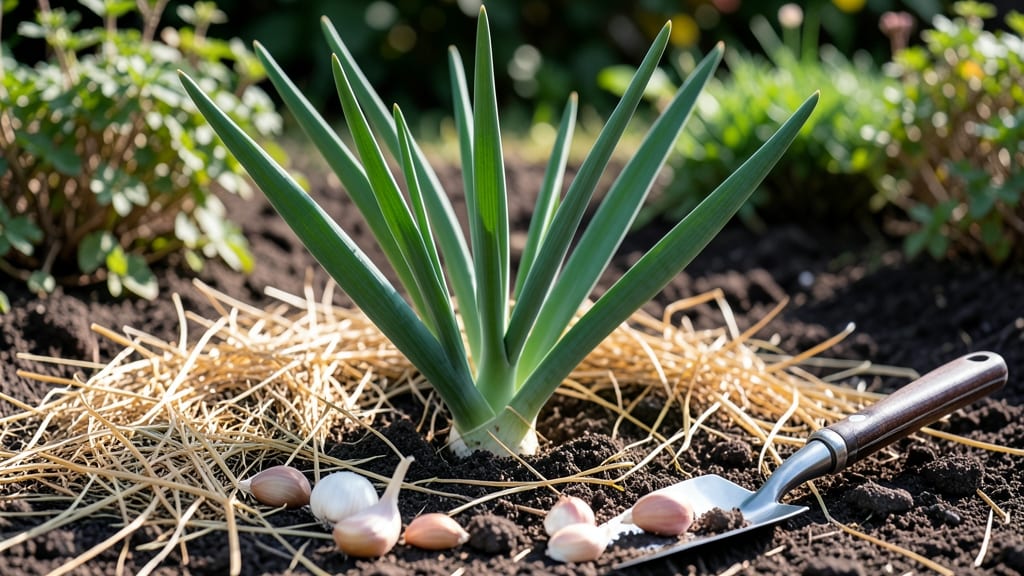
Timing your 🧄 garlic planting in Zone 5 isn’t just about luck—it’s the secret weapon behind those plump, flavorful bulbs you’ve been dreaming of. Plant too early, and frost can turn your hard work into mush; too late, and you’ll end up with puny cloves that barely hold together.
But here’s the good news: with the right window, you can grow garlic that’s so bold, it’ll make your kitchen the talk of the neighborhood.
Most gardeners in Zone 5 swear by fall planting—specifically between October and November—because it gives your garlic the perfect head start. The bulbs spend winter developing roots while staying dormant above ground, then burst into growth when spring arrives.
This method isn’t just traditional; it’s the most reliable way to ensure a strong harvest by mid-summer.
But what if you missed the fall window? Don’t panic—spring planting is still an option, though it requires extra care to compensate for the shorter growing season. The key is understanding your local frost dates and soil conditions, which can vary even within Zone 5.
Whether you’re in the northern or southern part of the zone, I’ll break down exactly what you need to know to time your planting like a pro.
Ready to grow garlic that’s bigger, stronger, and more flavorful than ever? Let’s dive into the best months to plant, how to prep your bulbs, and the little tricks that make all the difference in Zone 5’s unpredictable climate.

Optimal planting windows for garlic in Zone 5: months and moon phases
In Zone 5, the best time to plant garlic bulbs is late fall—specifically between mid-October and early November. This timing lets roots establish before winter while avoiding early frost damage. Hardneck varieties thrive in this window, while softneck garlic can tolerate slightly later planting.
Why fall? Garlic needs 60-90 days of cold exposure to form bulbs properly. Planting in October-November ensures roots grow before the ground freezes, then rest through winter. Moon phases also play a role—plant during a waxing moon for stronger root development.
For Zone 5 gardeners, aim to plant 4-6 weeks before the first hard frost. In most of Zone 5, this lands in late October.
Check your local last frost dates—northern Zone 5 (e.g., Minnesota, Maine) may need earlier planting than southern areas (e.g., Ohio, Pennsylvania).
Here’s a quick breakdown of your planting window:
| Planting Window | Best Varieties | Moon Phase Tip |
|---|---|---|
| Mid-October | Hardneck (e.g., Music, German Red) | Waxing moon for root growth |
| Early November | Softneck (e.g., Artichoke, Silverskin) | Full moon for bulb development |
| Late November (emergency) | Any variety (smaller yield) | Avoid if frost is imminent |
Spring planting is possible in Zone 5, but yields are 30-50% smaller. If you miss fall, plant in early spring (March)—just be ready to harvest earlier (by June-July) to avoid summer heat stress. Hardneck garlic planted in spring rarely produces scapes or large bulbs.
Pro tip: Use a soil thermometer to confirm ground temps are 40-50°F before planting. Cooler soil slows root growth, while warmer soil risks rot. Mulch heavily with straw (4-6 inches) after planting to insulate bulbs through winter.
For Zone 5 gardeners, align your planting with local microclimates. Urban areas may freeze earlier than rural spots.
Observe nearby gardens or check USDA Plant Hardiness Zone maps for precise adjustments. Northern Zone 5 (e.g., Duluth, MN) should plant by October 15, while southern Zone 5 (e.g., Cincinnati, OH) can wait until November 1.
Remember: The key to plump garlic bulbs in Zone 5 is cold stratification followed by spring warmth. Plant too early, and roots rot; too late, and bulbs stay small. Moon phases and soil temps are your allies—use them to fine-tune your schedule!
Once planted, resist the urge to fertilize until spring. Garlic draws nutrients from the soil during dormancy. Wait until March-April to apply a balanced fertilizer (5-10-10) to encourage bulb formation. Water deeply but infrequently—once every 10-14 days in winter, then increase to weekly in spring.
🌱
Optimal planting windows for garlic in Zone 5: months and moon phases
In Zone 5, the best time to plant garlic is between mid-October and November, giving the bulbs time to establish roots before winter. This fall planting window ensures your garlic develops strong roots while staying dormant above ground, ready to shoot up when spring arrives.
For most of Zone 5, aim to plant 4-6 weeks before the first hard frost, which typically hits around mid-November.
Why fall? Garlic thrives on cold winters, and planting early lets it overwinter successfully. The roots grow slowly in cool soil, while the bulb itself remains dormant—perfect for Zone 5’s freezing temperatures.
If you miss this window, you can still plant in early spring (March-April), but yields may be smaller, and bulbs might not mature fully before harvest.
Pro tip: Check your local last frost date—this is your deadline. For example, in northern Zone 5 (like Minnesota or Wisconsin), plant by early October. In southern Zone 5 (like Ohio or Pennsylvania), you have until mid-November. Timing makes all the difference!
🌱 Garlic Planting Timeline for Zone 5
| Stage | Action | Best Time |
|---|---|---|
| Prep Soil | Test pH (6.0-7.0), add compost | September-October |
| Plant Bulbs | 2" deep, 6" apart, pointy end up | October-November |
| Winter Dormancy | Roots grow; tops stay frozen | December-February |
| Spring Growth | Shoots emerge; fertilize lightly | March-April |
| Harvest Ready | Lower leaves brown; bulbs firm | July-August |
Did you know moon phases can influence garlic growth? Planting during a waxing moon (when the moon is growing) encourages root development, while a waning moon boosts above-ground growth.
For Zone 5, aim for a waxing moon in October to maximize root establishment before winter. Check a lunar planting calendar for your exact dates!
Hardneck vs. softneck varieties also play a role. Hardneck garlic (like Rocky Mountain) needs cold winters to form scapes, so fall planting is a must. Softneck garlic (like Silverskin) is more flexible but still benefits from early planting.
If you’re unsure, stick with hardneck—it’s the most reliable choice for Zone 5.
Remember: soil temperature is key. Garlic roots grow best when soil is between 40°F and 50°F. Use a soil thermometer to check—if it’s warmer than 50°F, wait a few weeks.
And if your winter is harsh, add 2-3 inches of mulch to protect the bulbs. With the right timing, you’ll be harvesting plump, flavorful garlic by summer!