
Plants
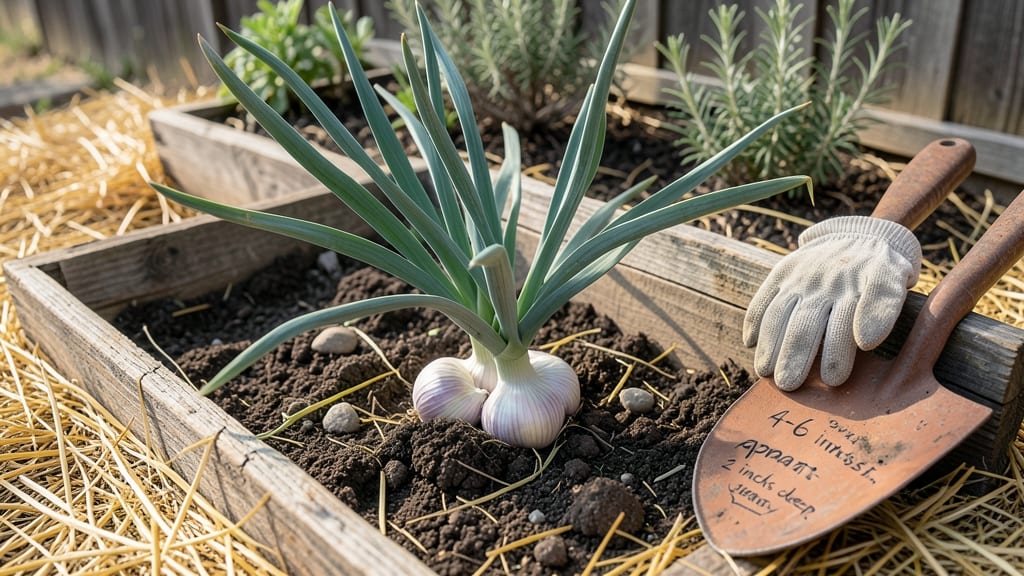
Timing your 🧄 garlic planting in South Texas isn't just about luck—it's the secret weapon behind those plump, flavorful bulbs you've been dreaming of. Skip the wrong window, and you might end up with scraggly stems instead of harvest-worthy harvests.
The truth? Planting between October and November gives your garlic the perfect head start before Texas heat kicks in, but there's more to it than just the calendar.
South Texas gardeners know the 9a-10a zone brings unique challenges—like soil that stays warm too long and unpredictable frost dates. That's why the moon phases and soil prep become your new best friends.
I've tested what works (and what doesn't) in my own garden, and the results might surprise you—especially when it comes to those big, bold bulbs that make all the difference in your kitchen.
Let me show you exactly how to time your planting for maximum success, from choosing the right variety to adjusting for Texas's quirks.
We'll cover soil secrets that prevent common diseases, watering hacks for our heat-loving climate, and even how to squeeze in a green garlic harvest if spring planting becomes an option. Ready to turn your garden into a garlic powerhouse?
Whether you're a seasoned gardener or just starting out, these insights will help you avoid the most common mistakes.
By the end, you'll know exactly when to plant, how deep to bury those cloves, and what to watch for to ensure your garlic thrives—no matter how hot or unpredictable South Texas gets. Let's get growing!
Best planting months for garlic in South Texas (with moon phase guide)
Timing your garlic planting in South Texas is all about beating the heat and leveraging the moon phases for maximum bulb development. Unlike northern climates, Texas gardeners must plant garlic in fall—specifically between mid-October and mid-November—to ensure bulbs mature before summer’s relentless heat.
This window aligns with USDA Zone 9a-10a, where garlic thrives in cooler temperatures but struggles when soil temps exceed 80°F.
For hardneck varieties (like Silverskin or Rocky Mountain), aim for planting by November 15 to avoid bolting (flowering) in spring. Softneck varieties (such as Artichoke) are slightly more forgiving but still benefit from an early fall start.
The key? Plant when soil temps are 60-70°F—ideal for root establishment before winter dormancy.
🌱
| Variety | Ideal Planting Window | Moon Phase | Soil Temp | Notes |
|---|---|---|---|---|
| Hardneck (e.g., Silverskin) | Mid-October to November 15 | Waning gibbous to full moon | 60-70°F | Best for cold-hardy bulbs; plant early to avoid spring heat. |
| Softneck (e.g., Artichoke) | Late October to December 1 | Full moon to waning crescent | 55-65°F | More heat-tolerant; extend window slightly for Texas summers. |
| Green Garlic (Spring Planting) | February to March | Waxing crescent to first quarter | 65-75°F | Harvest scapes or young shoots; not for bulb production. |
Aligning with the moon phases isn’t just old wives’ tales—it’s science. Planting garlic during a waning gibbous or full moon (when the moon is above the horizon) encourages root growth, while avoiding the new moon (when energy is directed upward) prevents weak bulb development.
For South Texas, target the full moon in October or November for optimal results.
Pro tip: Use a lunar planting calendar (like Farmers’ Almanac) to pinpoint exact dates. For example, the full moon on November 3, 2024, is ideal for hardneck varieties in the Rio Grande Valley.
Mark your calendar and plant 2-4 inches deep, with cloves 4-6 inches apart, in well-draining soil.
🌿
If you miss the fall window, don’t despair—green garlic can still be grown in spring (February-March) for scapes and tender shoots. However, bulbs planted in spring won’t mature fully in South Texas’s heat.
For bulb production, fall planting is non-negotiable. Even a 2-week delay can reduce bulb size by 30-50% due to early spring heat.
Another critical factor is soil temperature. Use a soil thermometer to confirm temps are below 75°F at planting depth. In South Texas, this often means waiting until late October in areas like Corpus Christi or Brownsville, where soils stay warmer longer.
Patience here pays off—larger bulbs result from cooler soil temps during early growth.
💧
Finally, consider your microclimate. Coastal areas (like Galveston) may have milder winters, allowing a slightly later planting date (up to December 1), while inland regions (like San Antonio) should plant by November 15 to avoid winter dieback.
Always check your local first frost date—South Texas rarely sees frost, but garlic still needs a cool dormancy period to develop bulbs properly.
By mastering these timing secrets, you’ll transform your South Texas garden into a garlic powerhouse—ready for harvest in April or May with bulbs so plump, they’ll make your neighbors jealous. Next up: soil prep to ensure your garlic thrives from day one.
Best planting months for garlic in South Texas (with moon phase guide)
Timing your garlic planting in South Texas is all about beating the heat and leveraging the lunar calendar for bigger bulbs. The ideal window runs from mid-October to early December, when soil temps hover between 50-65°F—perfect for root establishment before winter dormancy.
Hardneck varieties like 'Silverskin' thrive here, while softnecks like 'Artichoke' tolerate slightly warmer soils.
Miss this window? You can still plant in late January for a green garlic harvest (shoots only), but bulbs won’t develop fully. South Texas’s USDA Zone 9a-10a means no frost worries, but early planting (before November) risks heat stress and bolting—when garlic sends up flower stalks instead of forming bulbs.
| Month | Lunar Phase | Soil Temp | Notes |
|---|---|---|---|
| October | Waxing Moon | 60-70°F | Best for hardneck varieties; roots establish before cold |
| November | Full Moon | 55-65°F | Ideal for softnecks; cooler temps prevent bolting |
| December | Waning Moon | 50-60°F | Last chance; mulch heavily to insulate |
For maximum bulb size, align planting with the waxing moon (roots grow stronger) and avoid the full moon (can cause leggy growth). Break apart garlic bulbs into individual cloves, ensuring the pointy end faces up—this is where the stalk emerges.
Plant 2-4 inches deep, 4-6 inches apart, in rows spaced 12 inches apart for easy harvesting.
South Texas’s clay-heavy soils can suffocate garlic roots, so amend beds with compost or aged manure before planting.
Add a 1-inch layer of mulch (straw or shredded leaves) to retain moisture and regulate soil temps. Hardneck varieties (like 'German White') need cold exposure to form bulbs, while softnecks (like 'California Early') are more heat-tolerant but yield smaller bulbs.
Pro tip: Mark your planting date on a garden calendar and set a reminder for April-May harvest when lower leaves turn brown. Overcrowded garlic? Thin seedlings to 6 inches apart to prevent disease and improve airflow.
Skip spring planting—garlic planted after February 1 rarely forms full bulbs in South Texas’s heat.
Watch for thrips (tiny pests that attack leaves) and white rot (a fungal disease in wet soils). Rotate planting spots yearly to prevent soil-borne diseases and keep your garlic thriving for decades. With the right timing and care, your South Texas garden can produce jewel-sized bulbs every year!