
Plants
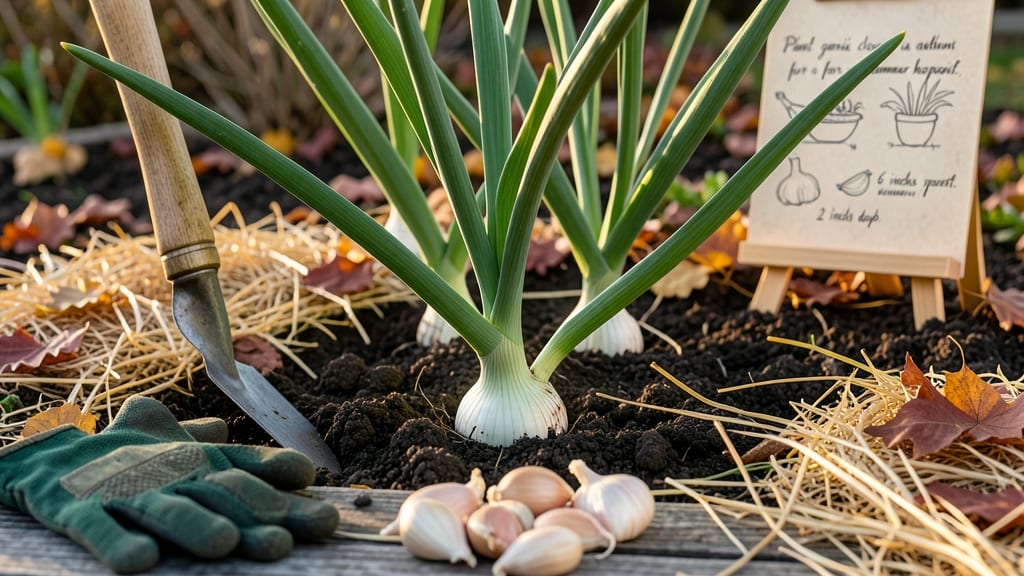
If you’ve ever wondered when to plant garlic in Connecticut, the answer might be simpler than you think: timing. Planting garlic here isn’t just about tossing cloves into the ground—it’s about catching that narrow window between mid-October and early November when the soil cools but hasn’t frozen solid.
Miss it, and you risk rot or weak harvests.
Here’s the thing: Connecticut’s USDA Zones 5b-6b give you a built-in advantage with their crisp fall air, but even a few weeks off can make the difference between plump, flavorful bulbs and disappointing scraps.
I’ve grown garlic here for years, and I’ll show you exactly how to nail the planting schedule—plus soil prep tricks that’ll make your harvest the envy of the neighborhood.
You’ll learn why hardneck varieties dominate in our climate, how to adjust for coastal vs. inland microclimates, and even when to start prepping your soil for next year’s crop. No more guessing games—just proven methods that work for Connecticut gardeners, whether you’re a first-timer or a seasoned green thumb.
Let’s get your garlic planted right the first time, so you’re feasting on homegrown cloves by late June—just in time to impress everyone at the dinner table. Ready to dig in?
Best planting window for Connecticut garlic: October’s frost-free secret
Connecticut’s USDA Zone 5b-6b climate creates the perfect fall-planting window for hardneck garlic, but timing is critical. The ideal soil temperature for planting is between 40-50°F, which Connecticut typically hits in mid-October.
Planting too early risks rot from warm, moist soil, while late planting reduces bulb size due to shorter cold exposure.
For Connecticut gardeners, the sweet spot is mid-October to early November. This aligns with the state’s average first killing frost (mid-October) and ensures garlic gets 60-80 days of cold weather before summer. Coastal areas like New London may have a 1-2 week later window due to milder microclimates.
Pro Tip: Use Connecticut’s last frost date (mid-November) as your deadline. Plant 4-6 weeks before this date to guarantee bulb development. For example, if your last frost is November 15th, aim for planting by October 20th.
Key Factors for Connecticut:
- Soil temp must stay above 32°F at planting
- Frost-free window should be 60+ days before summer
- Inland areas (like Hartford) plant earlier than coastal regions
| Planting Stage | Connecticut Timeline | Key Considerations |
|---|---|---|
| Soil Prep | September 15 - October 10 | Test pH (6.0-7.0), add compost |
| Planting Window | Mid-October - Early November | 40-50°F soil temp, 4-6 weeks before frost |
| Cold Verification | November - March | 60-80 days below 40°F required |
| Spring Growth | April - June | Full sun (6+ hours), minimal watering |
| Harvest Ready | Late June - Early July | Lower leaves brown, bulbs firm |
Connecticut’s hardneck garlic varieties thrive with this timing because they require vernalization—a cold period to trigger bulb formation. The state’s winter chill hours (typically 1,000-1,500) are perfect for this process. Inland areas like Enfield or Torrington often get more chill hours than coastal Groton or Stonington.
If you’re in a warmer microclimate (like near Long Island Sound), consider planting slightly later (early November) to avoid early soil warming. Use a soil thermometer to confirm temperatures—45°F is the magic number for planting.
For first-time growers, mark your calendar for October 15th as your target date. This gives you flexibility for 2 weeks before/after while still meeting Connecticut’s climate needs. Remember: garlic planted in October yields 30% larger bulbs than spring-planted varieties.
One common mistake in Connecticut is planting too deep (2+ inches) due to cold soil. Aim for 1-1.5 inches deep—this prevents rot while allowing roots to establish before winter. Use clove separation 1 week before planting to ensure healthy starts.
After planting, mulch heavily (4-6 inches of straw) to protect from Connecticut’s freeze-thaw cycles. This insulation keeps soil temps stable and prevents heaving—when bulbs push out of cold ground.
Best planting window for Connecticut garlic: October’s frost-free secret
Connecticut’s USDA Zone 5b-6b climate creates the perfect conditions for growing hardneck garlic, but timing your planting is critical. The ideal window is mid-October to early November, when soil temperatures drop to 40-50°F—just right for root establishment before winter dormancy.
This timing ensures your garlic develops large bulbs next summer without succumbing to rot or frost damage.
Planting too early (before October 15) risks soil-borne diseases like rot, while waiting too late (after November 10) may leave insufficient time for root growth before the ground freezes.
Connecticut’s first average frost typically hits around mid-October, so aim to plant 4-6 weeks before the ground freezes solid.
📅 Key Dates for Connecticut:
- Coastal areas (e.g., New London): Plant from October 1-15 (milder microclimate).
- Inland areas (e.g., Hartford, Litchfield): Plant from October 15-November 1 (colder, shorter frost-free window).
- Late planting (December): Only viable in Zone 6b (southern CT) with heavy mulch.
| Stage | Action | Soil Temp (°F) | Connecticut Window |
|---|---|---|---|
| Pre-Planting Prep | Test soil pH (6.0-7.0), amend with compost | 50-60°F | September 15-October 1 |
| Planting | Plant cloves 2" deep, 4-6" apart | 40-50°F | Mid-October to early November |
| Winter Dormancy | Mulch with straw (4-6") | Below freezing | November-April |
| Spring Growth | Remove mulch, water deeply | 45-55°F | April-May |
| Harvest | When lower leaves brown | 60-70°F | Late June-early July |
Connecticut’s hardneck garlic thrives because the cold winters stress the plant, redirecting energy into bulb development. For example, ‘German White’ and ‘Music’ varieties—top picks for CT—produce larger bulbs when exposed to consistent freezing temps (20-30°F) for at least 6-8 weeks during winter.
Coastal areas may need to plant slightly earlier to compensate for milder winters.
Pro tip: Use a soil thermometer to confirm temps are below 50°F before planting. If your soil stays warm (common in southern CT), wait until November to avoid rot. For northern CT, plant by October 20 to ensure roots establish before the ground freezes.
After planting, apply a 4-6" layer of straw mulch to insulate bulbs through winter. This protects against frost heave (when freezing/thawing cycles push bulbs out of the soil) and keeps soil temps stable. Remove mulch in early spring once soil thaws to allow photosynthesis to resume.
Remember: Connecticut’s short growing season means every day counts. Planting at the right time ensures your garlic has 240-270 days to mature—long enough for plump, flavorful bulbs ready for June harvest. Don’t miss this frost-free window—it’s your ticket to homegrown garlic that’ll make your neighbors jealous! 🧄