
Plants
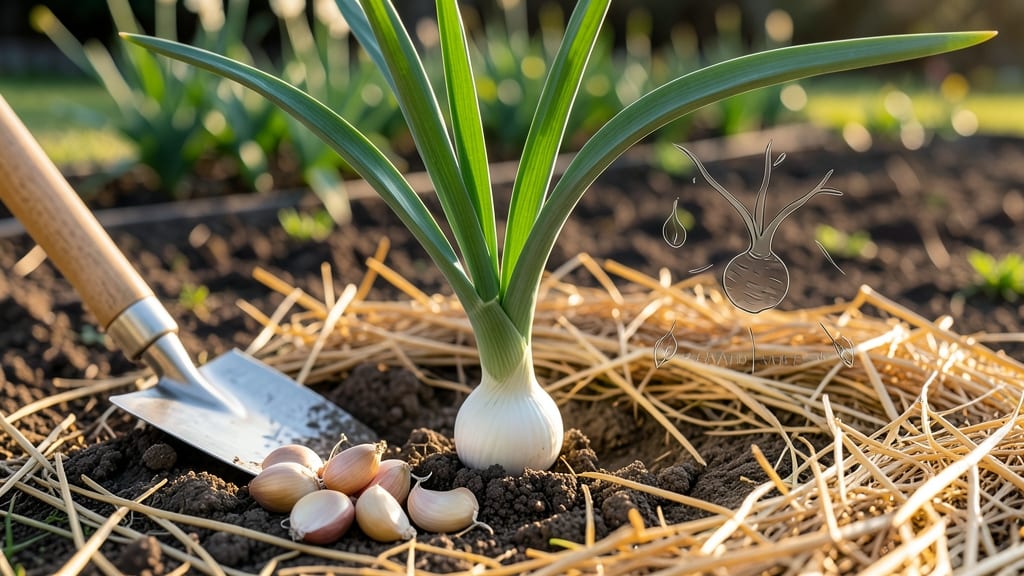
Knowing when to plant garlic in North Dakota isn’t just about the calendar—it’s about outsmarting frost and snow to grow the biggest, hardiest bulbs.
With winters that can stretch into May and soil that freezes solid, timing your 🧄 planting just right means the difference between a thriving crop and a total loss.
Most gardeners in USDA zones 4a-5a swear by fall planting, but there’s a narrow window—late August to early October—where you’ll get the best results. Plant too early, and your cloves might rot before winter sets in; too late, and they won’t establish strong roots before the ground freezes.
I’ll show you exactly how to nail that sweet spot, whether you’re growing hardneck varieties (the cold-hardy favorites) or softer alternatives.
Here’s the game-changer: North Dakota’s snow cover actually works in your favor. A thick blanket of snow insulates your garlic, protecting it from extreme cold while letting it develop slowly over winter.
But you’ll need to know how deep to plant, when to mulch, and which varieties handle 4a-5a winters best—details that make all the difference between a mediocre harvest and a pantry full of plump bulbs.
Ready to grow garlic that thrives in your climate? Let’s break down the exact steps—from soil prep to frost-proofing—to ensure your garlic not only survives but excels in North Dakota’s tough conditions. Your future meals (and bragging rights) will thank you.
North Dakota garlic planting timeline: hardneck vs softneck frost zones explained
North Dakota’s USDA Zones 3-4 demand precision when planting garlic—especially since hardneck varieties thrive in cold climates while softneck struggles with frost. The ideal planting window is late August to early October, but timing depends on whether you’re growing hardneck (best for ND) or softneck varieties.
Planting too early risks rot, while planting too late may result in stunted bulbs.
Hardneck garlic, like 'German Red' or 'Music', performs best in North Dakota because it needs cold vernalization to form bulbs. Softneck varieties, such as 'Silverskin', can grow here but require more protection from harsh winters.
The key is planting 4-6 weeks before the ground freezes, typically by October 15 in most of ND.
Here’s how to align your planting with North Dakota’s climate:
| Variety | Best Planting Window | Frost Tolerance | Soil Temp Threshold | Harvest Month |
|---|---|---|---|---|
| Hardneck (e.g., 'German Red') | Late August–early October | Excellent (needs cold) | 40–50°F | Mid–late July |
| Softneck (e.g., 'Silverskin') | Early September–mid-October | Moderate (avoid deep frost) | 45–55°F | Late July–early August |
The soil temperature is critical—garlic cloves should be planted when soil is 40–50°F for hardneck or 45–55°F for softneck. Use a soil thermometer to check, as ND’s erratic fall weather can fluctuate rapidly. If soil is too warm, cloves may sprout prematurely and rot before winter.
Spring planting is not recommended in North Dakota because garlic needs 60–90 days of cold to form bulbs properly. If you miss the fall window, you can try planting in early spring (March), but yields will be significantly smaller.
For best results, stick to the fall timeline and rely on snow cover to protect cloves during winter.
North Dakota’s microclimates also play a role. Areas near rivers or lakes may have slightly milder winters, allowing a 1–2 week extension for planting. Conversely, higher elevations (like near Devils Lake) may require planting 2–3 weeks earlier to avoid frost heave.
Always adjust your schedule based on your specific location’s last frost date.
Hardneck garlic benefits from snow insulation, which protects cloves from extreme cold. Aim for a 4–6 inch snowpack during winter—this natural blanket keeps soil temperatures stable and prevents frost heave. If snowfall is light, add a 2–3 inch layer of straw mulch after planting to mimic snow cover.
For raised beds, plant garlic 1–2 weeks earlier than in-ground planting because raised beds warm up faster in spring. Conversely, low-lying areas may stay cold longer, so delay planting by 1 week to avoid premature sprouting. Monitor local weather forecasts for frost warnings and adjust your timeline accordingly.
Once planted, mark your garlic rows with stakes or flags to avoid disturbing the soil in spring. In North Dakota, garlic emerges in early May, but don’t rush to harvest—wait until lower leaves brown (usually mid-to-late July) for the best bulb size and flavor.
Pro tip: If you’re growing garlic for scape shoots (hardneck only), harvest them in early June when they curl into a "V" shape. This won’t affect bulb size but adds an extra harvest to your garden!
5 Critical factors to time garlic planting perfectly in North Dakota
Timing garlic planting in North Dakota isn’t just about picking a month—it’s about reading your local microclimate, soil conditions, and even the moon phases for organic gardeners.
The last frost date (around May 15) and soil temperature (below 50°F) are your first clues, but other factors like raised beds vs. in-ground planting can shift your timeline by weeks.
Start by checking your USDA Zone (most of North Dakota falls in Zone 4a-5a), then adjust for elevation changes—higher areas freeze earlier. For example, Fargo gardeners can plant a week later than those in Minot due to warmer fall temperatures.
Even a 5°F difference in soil temp can mean the difference between success and rot.
The moon’s waxing phase (when the moon is growing) is ideal for planting garlic, as it’s believed to encourage stronger root development. Organic gardeners swear by this, though science backs up the moisture retention benefits of planting during a full moon or just after.
Check a lunar planting calendar for your region to align with these phases.
Raised beds warm up 2-3 weeks faster than in-ground soil, giving you a longer planting window. If you’re using raised beds, aim for late September instead of early October. However, waterlogged soil in raised beds can be deadly—ensure proper drainage by adding compost or perlite before planting.
Don’t overlook local microclimates. A south-facing slope or urban heat island can extend your planting window by 10-14 days. Observe your garden’s behavior: if nearby perennials like asparagus are still green in early October, your soil may stay workable longer.
Use a soil thermometer to confirm—40-50°F is the sweet spot for garlic roots to establish.
Finally, spring planting is risky in North Dakota unless you’re using softneck varieties, which tolerate warmer soils. Hardneck garlic planted in spring often produces smaller bulbs or bolts prematurely. If you miss the fall window, consider green garlic (harvesting the shoots) instead of waiting for full bulbs.
Pro tip: Mark your calendar for October 15—this is your absolute deadline for fall planting in most of North Dakota. After this date, the ground freezes, and your garlic cloves won’t root properly. If you’re unsure, plant a test clove a week early to gauge soil conditions.