
Plants
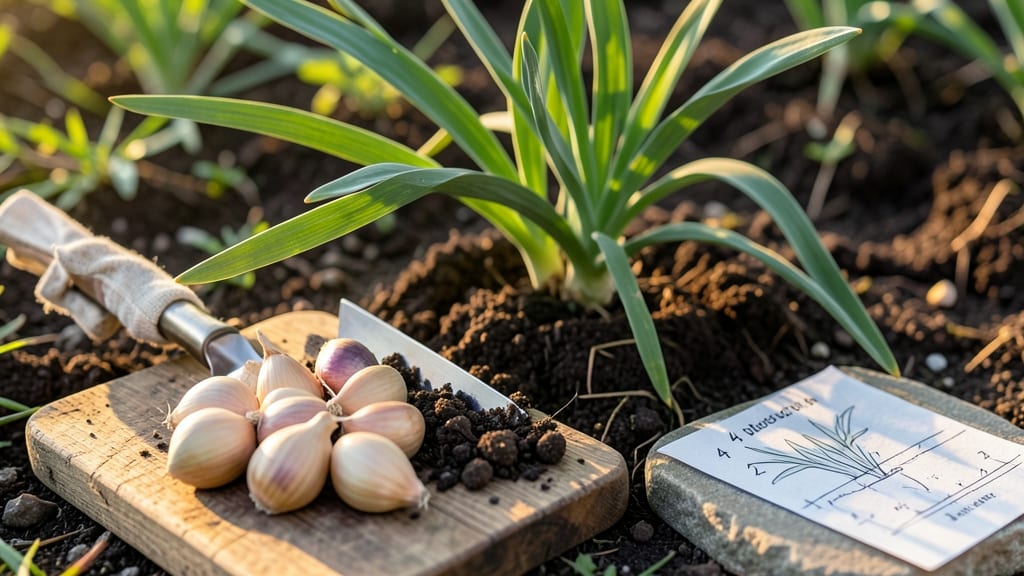
Timing your garlic planting in Seattle isn’t just about the calendar—it’s about beating the rain, dodging early frosts, and giving those 🧄 cloves the perfect chilly start they crave. Plant too soon, and rot steals your harvest; too late, and your bulbs stay stubbornly small.
The October-November window is your sweet spot, but Seattle’s unpredictable weather throws a wrench in the plan.
Here’s the secret: hardneck varieties—like the robust ‘German White’ or ‘Music’—need 40–50°F soil to root before winter sets in. That means acting fast once temps dip, but not so fast that your soil stays soggy.
We’ll break down exactly when to dig in, how deep, and why mulching with straw (not leaves!) is your best friend against Seattle’s wet winters.
You’ll also discover how to tell if your garlic’s ready to harvest by late June—no guesswork, just crispy lower leaves and firm bulbs. Plus, we’ll cover the one fertilizer trick that’ll boost your yield without overfeeding, because even garlic hates a heavy hand.
Let’s get those cloves in the ground the right way.
Whether you’re a first-timer or a seasoned gardener, these localized tips will turn your fall planting into next summer’s flavor-packed harvest. No more shriveled cloves or wasted effort—just plump, robust garlic that’ll make your kitchen (and neighbors) jealous.
Best planting windows for hardneck garlic in Seattle’s climate
Seattle’s Zone 8a climate offers a narrow but critical window for planting hardneck garlic. Unlike warmer regions, we don’t have a long fall—so timing matters. The ideal planting window is mid-October to early November, when soil temperatures drop to 40–50°F but before hard frosts hit (typically mid-November).
This cold period triggers root development, ensuring robust bulbs by harvest.
Hardneck garlic needs 8–12 weeks of cold exposure to form proper bulbs.
In Seattle, planting too early (before October) risks rot from excess moisture, while planting too late (after November) may not provide enough chill. Early varieties (like ‘German White’) can tolerate slightly later planting, but most hardnecks thrive with this tight schedule.
🌱
| Planting Stage | Seattle Timeline | Key Conditions |
|---|---|---|
| Soil Prep | Late September | Amend soil with compost; ensure well-draining beds. |
| Planting Window | Mid-October to Early November | 40–50°F soil; avoid waterlogged soil. |
| Cold Verification | November–January | Monitor for consistent below-40°F nights. |
| Spring Growth | March–April | Reduce watering; watch for scapes in May. |
| Harvest Ready | Late June–July | Lower leaves brown and crispy; bulbs firm. |
Seattle’s microclimates can shift planting dates slightly. Urban areas (like Ballard or Fremont) may experience earlier frosts, while rural zones (like Snoqualmie) might extend the window.
Use a soil thermometer to confirm temps—aim for 50°F at 4-inch depth before planting. If your soil stays warm, wait until early November.
For late varieties, push planting to early November but accept smaller bulbs. Conversely, early varieties can handle planting as late as mid-November if winters are mild. Always prioritize 8–12 weeks of cold—this is non-negotiable for hardneck garlic’s bulb formation.
🌡️
Pro tip: Plant a test row in late September to gauge your soil’s chill tolerance. If cloves sprout too early, they’ll rot in Seattle’s wet fall.
Adjust your main planting date accordingly. Hardneck garlic planted in December or January will often fail to bulb properly, so don’t be tempted by late-season sales!
Finally, note that softneck garlic (like ‘Silverskin’) can be planted later (even December) but yields poorly in Seattle’s climate. Stick with hardnecks for the best results—your July harvest will thank you.
☀️
Best planting windows for hardneck garlic in Seattle’s climate
Seattle’s Zone 8a climate creates a unique challenge for growing hardneck garlic—you need cold winters for bulb formation but must avoid soggy, rotting soil. The ideal planting window spans mid-October to early November, when soil temperatures drop to 40–50°F at 4-inch depth.
This timing ensures roots establish before winter while allowing bulbs to mature by July.
Hardneck garlic thrives with 60–80 days of cold exposure (below 40°F), which Seattle typically delivers from November through February. Planting too early (September) risks rot in wet soil, while late planting (December) may produce smaller bulbs.
Aim for 8–12 weeks before your area’s first frost—usually around November 15 in Seattle.
📅 Seattle Garlic Planting Timeline
| Stage | Action | Soil Temp |
|---|---|---|
| Early Prep | Test soil pH (6.0–7.0) | 60–70°F |
| Planting Window | Mid-October–Early Nov | 40–50°F |
| Winter Dormancy | Mulch heavily (4–6 inches) | Below 40°F |
| Spring Growth | Remove mulch in March | 50–60°F |
| Harvest | Late June–July | 70–80°F |
For Seattle’s microclimates, adjust timing slightly. Coastal areas (like West Seattle) can plant 1–2 weeks later (early November) to avoid early rains, while inland spots (like Kenmore) may plant early October to maximize cold exposure.
Use a soil thermometer to confirm temps—plant when they consistently read below 60°F at 4-inch depth.
Hardneck varieties like ‘German White’ and ‘Music’ need longer cold periods (90+ days) for bulb formation, so prioritize early fall planting. Softneck varieties (less common in Seattle) tolerate shorter cold snaps but still benefit from October planting.
Always use last year’s garlic for planting—fresh bulbs won’t store well over winter.
Pro tip: Mark your calendar for March 15 (Seattle’s average last frost date). If you plant in early November, your garlic will have 120 days of cold—perfect for hardneck development.
Use straw mulch (not leaves) to insulate bulbs during wet winters. This simple adjustment can double your yield in Seattle’s climate.
Remember, garlic planted in December or later may not mature fully before summer heat arrives. If you miss the fall window, consider spring planting (February–March) for smaller bulbs, but yields will be 30–50% lower. Prioritize fall for maximum flavor and size!