
Plants
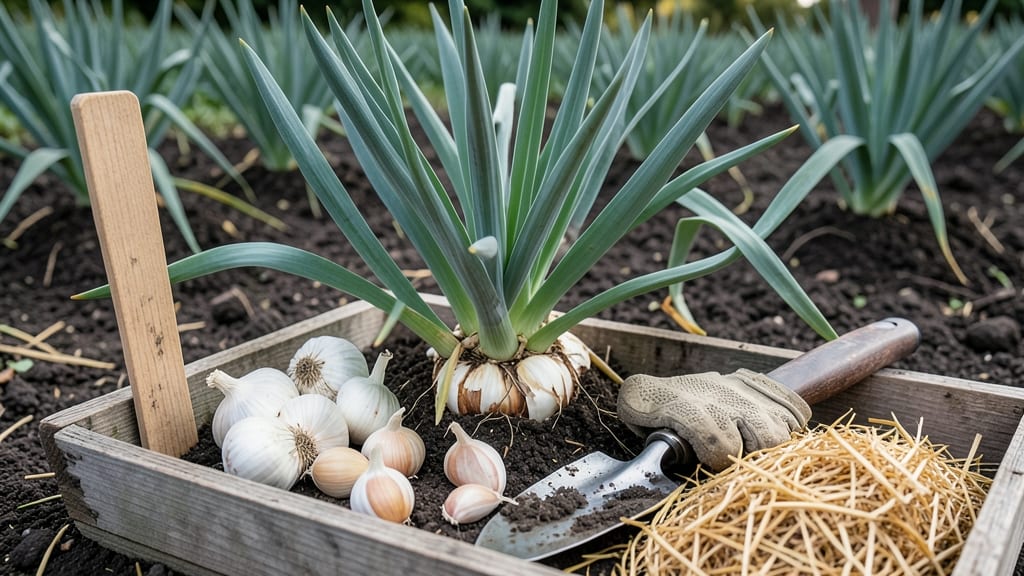
Planting garlic in South Florida isn’t just about timing—it’s about outsmarting the heat to grow bold, flavorful bulbs instead of bitter disappointments. With 365 frost-free days, traditional planting windows fly out the window, and the wrong move can turn your crop into a sad, stunted mess.
Here’s the secret: fall planting (October–November) works best, but with the right heat-resistant varieties and a few clever tricks, you can also grow garlic in January–February—just like the pros.
I’ll show you exactly which varieties thrive in Miami’s climate and how to keep your plants cool enough to bulb properly, even when the thermometer hits 90°F.
No more guessing games—just proven methods for soil prep, mulching, and watering that’ll have your 🧄 harvest ready by spring. Whether you’re a first-time gardener or a seasoned grower, these tips will help you beat the heat and grow garlic that’ll make your dishes taste like a chef’s secret weapon.
Ready to skip the trial-and-error? Let’s dive into the exact months, varieties, and hacks that’ll turn your South Florida garden into garlic gold—no frost required.
Best months to plant garlic in South Florida’s humid climate
South Florida’s tropical heat and high humidity challenge garlic’s cool-season preferences, but with the right timing, you can still grow bold, flavorful bulbs. Unlike cooler climates, where garlic thrives in fall for spring harvests, Florida’s frost-free winters demand a different approach.
Planting in late fall or early winter gives garlic the mild temperatures it needs to mature without bolting prematurely.
Most gardeners in USDA Zones 10a-11 (Miami to Key West) plant garlic between October and November for a spring harvest in April-May. This window avoids the peak summer heat while still providing enough cool months for bulb development.
If you miss this window, a second planting in January-February can yield smaller bulbs but still works in shadier, cooler microclimates.
Here’s the key: Soil temperatures should be below 80°F at planting and stay consistently cool (ideally 60-70°F) for 6-8 weeks after sprouting. In South Florida, this means planting before the first major heatwave of summer—typically by mid-November for the best results.
Later plantings risk bolting (premature flowering), which diverts energy from bulb growth.
| Planting Window | Ideal Soil Temp | Harvest Month | Microclimate Notes |
|---|---|---|---|
| October–November | 60–70°F | April–May | Best for Miami, Fort Lauderdale |
| January–February | 65–75°F | June–July | Works in Orlando, Gainesville (cooler inland) |
| September (late) | 70–78°F | March–April | Risky; use shade cloth |
Regional differences matter in South Florida. Coastal areas like Miami and Key West have warmer winters, so aim for October planting to avoid heat stress. Inland areas like Orlando or Ocala, which experience cooler nights, can stretch planting into early December.
Meanwhile, Key West’s tropical climate may require shade cloth or container gardening to protect cloves from excessive heat.
If you’re in a hotter microclimate (e.g., Homestead or Fort Myers), consider elevated beds or black plastic mulch to warm the soil slightly in fall. This helps speed up germination in the humid, slow-to-dry conditions of South Florida.
Conversely, shady spots under trees can buy you extra weeks of viable planting time in late fall.
Pro tip: Test your soil temperature before planting. Use a soil thermometer to confirm temps are below 80°F at a 4-inch depth. If it’s hotter, wait 2-3 weeks or use shade cloth to cool the soil. Overheated soil triggers bolting, turning your garlic into seedy scapes instead of bulbs.
For container growers, timing is even more critical. Pots heat up faster than ground soil, so plant earlier (September-October) and move containers to shadier spots during afternoon heat. Use lightweight, well-draining mixes with 20% perlite to prevent root rot in Florida’s high humidity.
Remember: Garlic in South Florida is a gamble—but a well-timed, heat-smart planting can yield surprisingly good results. The key months are October and January, but flexibility and microclimate adjustments are your best tools. Next, we’ll dive into the top heat-resistant varieties that thrive in these conditions.
Best months to plant garlic in South Florida’s humid climate
South Florida’s frost-free winters and 90°F+ summers throw traditional garlic planting out the window—but that doesn’t mean you can’t grow it. The key is planting during cooler transitional months when soil temperatures dip below 80°F.
For most of the state, October–November is your golden window, while January–February offers a second chance for spring harvests.
Unlike northern climates, where garlic needs cold dormancy, South Florida’s heat-resistant varieties bulk up quickly in mild winters. The trick? Plant when daytime highs hover around 75–85°F and nights drop below 65°F.
This mimics the cooler conditions garlic craves to form bulbs instead of bolting (sending up flower stalks too early).
Here’s your month-by-month breakdown, including regional tweaks for Miami’s humidity vs. Orlando’s slightly drier air:
| Month | Ideal Planting Time | Soil Temp Goal (°F) | Regional Notes |
|---|---|---|---|
| October | Early–mid (before 80°F soil) | 65–75°F | Best for Miami/Key West; avoid late October (hurricane season risk). |
| November | Entire month (peak window) | 60–70°F | Orlando’s drier air = less fungal risk; mulch heavily. |
| January | Early (before heat spikes) | 65–72°F | Spring harvest; use shade cloth if temps exceed 80°F. |
| February | First half only | 70–75°F | Risky in Miami; prioritize heat-tolerant varieties. |
Pro tip: Test your soil temperature with a thermometer (or press your hand into the ground—if it feels warm to your wrist, wait). In Miami’s Zone 10b–11, soil can stay too warm well into November, so don’t rush. Patience here = bigger bulbs.
For container gardening, plant in January–February using 5-gallon pots with extra mulch. Containers cool faster than in-ground beds, giving you a slight edge in the heat. Just ensure pots have drainage holes to prevent root rot in Florida’s humidity.
Remember: No frost = no forced dormancy. Without cold snaps, garlic relies on shade, mulch, and consistent moisture to mimic winter conditions. Skip these, and you’ll end up with skinny, pungent cloves instead of plump, flavorful bulbs.
Next, we’ll cover the top 5 heat-resistant varieties that actually thrive here—no guesswork!