
Plants
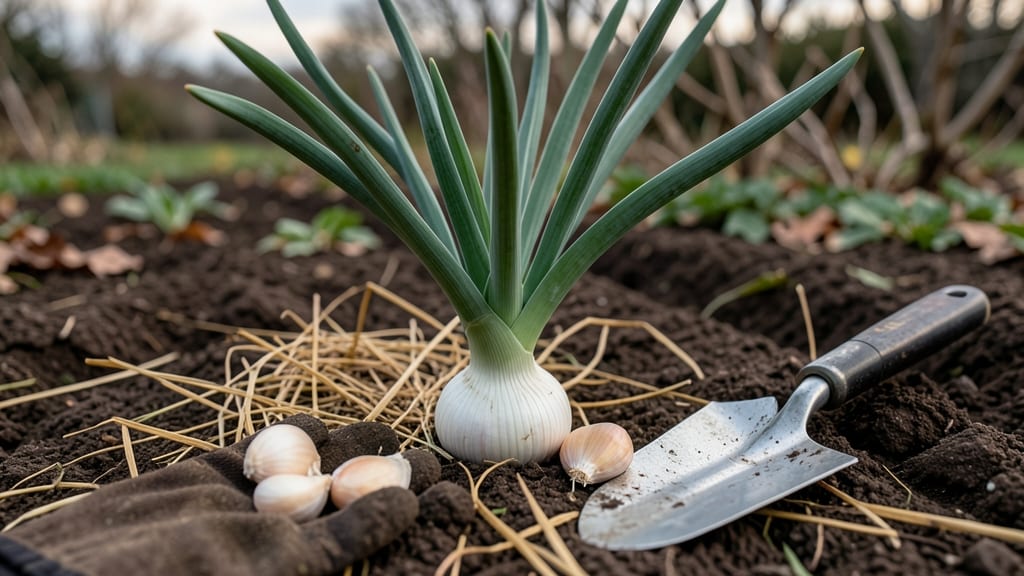
If you're an Upstate New York gardener, timing your 🧄 garlic planting just right could mean the difference between a bumper crop and a disappointing harvest.
The key isn't just about the calendar—it's about understanding when your soil reaches that sweet spot of 40–50°F, which typically lands in late October or early November for your 5b-6b zone.
I've learned the hard way that planting too early can leave your garlic vulnerable to winter heaving, while waiting too long might stunt root development before the ground freezes.
The good news? Upstate NY's climate actually works in your favor if you know the tricks—like choosing the right hardneck varieties and preparing your soil with proper drainage.
What sets successful garlic growers apart is paying attention to those subtle seasonal cues: the first hard frost, soil temperature drops, and even local microclimates that can vary dramatically between the Adirondacks and the Finger Lakes region.
Let me walk you through exactly how to read these signals and adjust your planting schedule for maximum yield.
You'll discover how to create the perfect conditions for your garlic to establish strong roots before winter sets in, plus smart mulching techniques to protect your crop through Upstate NY's harsh winters.
By the time next summer rolls around, you'll be harvesting plump, flavorful bulbs that'll make your neighbors jealous—and all because you nailed the timing.
Upstate NY garlic planting calendar: soil temp triggers by month
Timing your garlic planting in Upstate NY hinges on two critical factors: soil temperature and frost dates. Unlike many crops, garlic thrives when planted in fall, allowing it to establish roots before winter dormancy.
The ideal window is when soil temps hover between 40–50°F—this triggers root growth without encouraging premature sprouting.
Upstate NY’s USDA Zones 4b–6a create microclimate variations. For example, the Adirondacks (Zone 4) freeze earlier than the Finger Lakes (Zone 6), so adjust planting dates accordingly. Hardneck varieties, like 'Music' or 'German White', are best suited for this region and need cold exposure to form bulbs.
Here’s the key: Plant garlic 4–6 weeks before the ground freezes. In most of Upstate NY, this means late September to mid-October. If you miss this window, you can still plant into early November, but yields may shrink due to shorter dormancy periods.
Pro tip: Use a soil thermometer to confirm temps. If your soil is still above 50°F in October, wait a week or two. Conversely, if temps drop below 40°F before planting, your cloves may rot.
| Month | Soil Temp Goal (°F) | Planting Window | Notes |
|---|---|---|---|
| September | 50–60°F | Late Sept (Zone 6) to Mid-Sept (Zone 4) | Early planting risks sprouting; reserve for late zones. |
| October | 40–50°F | Ideal window for most of Upstate NY | Best balance of root growth and frost protection. |
| November | 35–45°F | Early Nov (Zone 6) only | Risk of frost damage; plant quickly and mulch heavily. |
| December | N/A | Not recommended | Ground too cold; cloves may rot before dormancy. |
Softneck varieties, like 'Silverskin', can tolerate slightly later planting but still prefer fall conditions. These types store better long-term but lack the bold flavor of hardnecks. For Upstate NY’s climate, I recommend sticking with hardnecks—they’re worth the extra effort!
One common mistake? Planting garlic in spring. While it will grow, bulbs won’t mature fully before summer heat, resulting in small, pungent cloves. Save spring planting for green garlic (harvest shoots before bulbing).
If you’re in a warmer microclimate (e.g., near Lake Erie), you might push planting into early November. But for most of Upstate NY, mid-October is your sweet spot. Mark your calendar and set a reminder—garlic won’t wait for perfection! 🌱
After planting, add a 4–6 inch layer of straw mulch to insulate bulbs through winter. This protects against heaving (bulbs pushing out of frozen soil) and keeps temps stable. In Zone 4 areas, like the Adirondacks, extra mulch is non-negotiable.
Finally, avoid planting garlic where onions, leeks, or garlic grew in the past year. Rotate crops to prevent soil-borne diseases like white rot. Upstate NY’s clay-heavy soils can trap moisture, so amend with compost or sand for better drainage.
With the right timing and soil prep, you’ll harvest plump, flavorful bulbs next July or August. The secret? Pay attention to those soil temps—they’re your garlic’s silent partner in success. ☀️
How to time garlic planting for maximum yield in Upstate NY
Upstate NY’s Zone 4-5 climate means garlic thrives when planted in fall, but timing varies by microclimate. In the Adirondacks, aim for late September to early October—soil should hit 40-50°F before frost.
Meanwhile, the Finger Lakes region can plant until mid-November due to milder winters. Use a soil thermometer to confirm readiness—this is your best defense against frost damage.
Adjust planting dates based on altitude too. Higher elevations (like the Catskills) freeze sooner, so plant 2-3 weeks earlier than lowland areas. For example, if your neighbor in Rochester plants in October, you might need to start in late September up in Saratoga Springs.
Always plant 4-6 weeks before the first hard frost—this gives roots time to establish before winter.
Don’t plant garlic in spring! Upstate NY’s short growing season means spring-planted garlic rarely matures fully. Fall planting ensures larger bulbs and stronger flavor—a must for gardeners chasing that bold, pungent taste we all love.
Soil prep is just as critical as timing. Garlic prefers well-draining soil with organic matter—think compost or aged manure. Test your soil’s pH (6.0-7.0) and amend if needed. Avoid heavy clay soils, which hold too much moisture and invite rot.
In Upstate NY, sandy loam (common in the Mohawk Valley) is ideal. If your soil is rocky, mix in peat moss or coconut coir to improve structure.
Spacing and depth matter too. Plant cloves 2 inches deep, 4-6 inches apart, with 8 inches between rows. This prevents overcrowding and reduces disease risk. Use a wooden stake or garlic planter if your soil is rocky—it keeps cloves at the right depth.
Mulch heavily with straw or leaves after planting to insulate bulbs through winter. In Upstate NY’s cold winters, this 3-4 inch mulch layer can mean the difference between a thriving crop and a frost-killed one.
Watering is often overlooked but critical. After planting, give garlic a deep watering to settle the soil. Then, only water again if the ground is bone-dry—Upstate NY’s winters are usually dry enough that you’ll rarely need to water until spring.
Overwatering in winter can lead to rot, while too little water in spring can stunt growth. Aim for 1 inch of water per week once shoots emerge in spring, but let rainfall do the work when possible.
Finally, watch for local pests like deer or voles. In wooded areas (common in the Adirondacks), use chicken wire cages or repellent sprays to protect young plants. In urban gardens (like Albany or Syracuse), rabbits might nibble—plant near rosemary or thyme to deter them.
With the right timing and care, your Upstate NY garlic will reward you with plump, flavorful bulbs ready for harvest next July or August.