
Plants
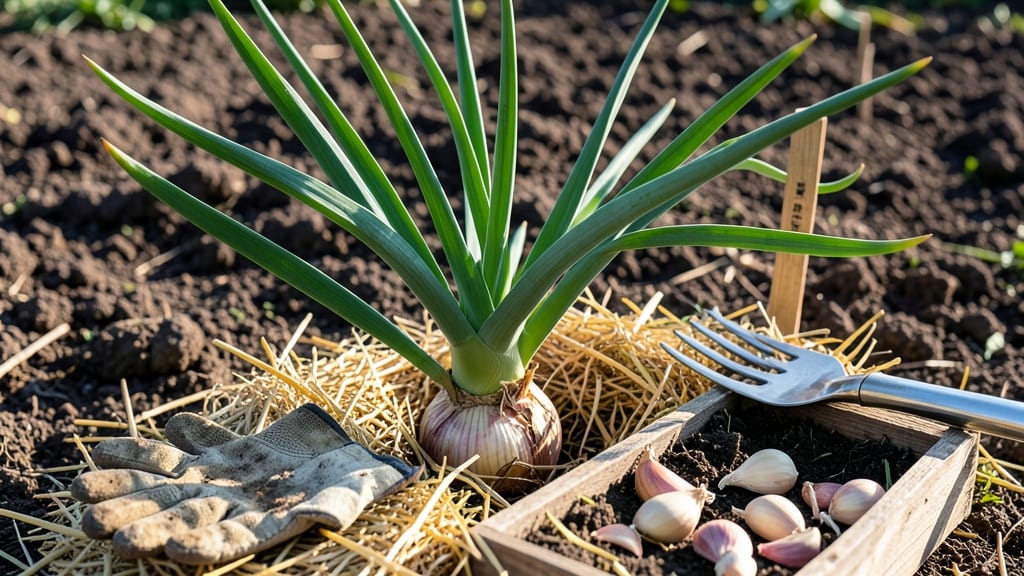
Timing your garlic planting in Zone 5a could make or break your harvest—plant too early, and you risk weak growth; too late, and frost locks out success.
The secret lies in a narrow window where soil temps drop but hardiness remains, and I’ll show you exactly when to act for bulbs that pack flavor and strength.
In Zone 5a, where winters arrive early and summers are short, fall planting (October–November) is non-negotiable for hardneck varieties—the prized kind with those robust, flavorful cloves.
But here’s the catch: the clock starts ticking 4–6 weeks before the ground freezes, and missing that window means smaller bulbs or no harvest at all.
Why does this matter? Because garlic thrives on cold stratification—those chilly months actually help it develop bigger, more robust bulbs. We’ll break down the exact months to plant, how to adjust for your local frost dates, and what to do if your winter throws curveballs.
Ready to grow garlic that’s stronger, sweeter, and more abundant than ever? Let’s dive into the precise steps to nail your Zone 5a planting schedule—no guesswork, just results.

Best planting months for garlic in Zone 5A: a science-backed timeline
Garlic thrives in Zone 5A when planted during its natural dormancy period—typically October through November. This timing ensures the bulbs establish roots before winter, allowing them to overwinter successfully and produce large, flavorful harvests the following summer.
The 4-6 week window before ground freeze is critical for optimal growth.
For Zone 5A gardeners, the ideal planting window aligns with soil temperatures dropping to 50–60°F. Hardneck varieties, like Rocky Mountain or German White, perform best when planted in late October, while softneck varieties can extend slightly into early November.
Timing directly impacts bulb size and strength. Planting too early (e.g., September) risks premature sprouting, while planting too late (December+) may leave insufficient time for root development before ground freeze. The sweet spot balances these factors for maximum yield.
Why this timing works: Garlic’s growth cycle relies on cold vernalization—a process where exposure to winter chills triggers bulb formation. In Zone 5A, this happens naturally when planted in fall, ensuring robust bulbs by mid-summer.
🌱 Garlic Planting Timeline for Zone 5A
| Stage | Action | Key Details |
|---|---|---|
| Soil Prep | Test pH (6.0–7.0) | Add compost for drainage |
| Planting Window | October–November | 4–6 weeks before freeze |
| Depth | 2 inches | Cloves pointy-side up |
| Spacing | 4–6 inches apart | Rows 12 inches apart |
| Overwintering | Mulch 2–3 inches | Straw or leaves |
| Harvest Time | July–August | Lower leaves brown |
Hardneck varieties, prized for their flavor and bulb separation, require cold exposure to form cloves. In Zone 5A, this means planting by mid-October for optimal results. Softneck varieties, like Silverskin, are more flexible and can tolerate slightly later plantings but still benefit from fall dormancy.
If you’re unsure about your last frost date, use a soil thermometer to confirm temperatures are consistently below 50°F at night. This signals it’s time to cover plants with mulch and let nature handle the rest until spring.
Pro tip: Label your rows with the variety and planting date. This helps track which bulbs mature fastest and which may need extended growing time in Zone 5A’s shorter summers. 🌱
For gardeners in northern Zone 5A (e.g., Minnesota, Maine), aim for late October planting to avoid early freezes. In southern Zone 5A (e.g., Pennsylvania, Virginia), early November can still work, especially with heavy mulching.
Remember: Garlic is a biennial, meaning it grows leaves the first year and forms bulbs the second. Planting at the right time ensures your Zone 5A crop follows this cycle perfectly, yielding large, flavorful bulbs ready for harvest by July. ☀️
To maximize success, avoid planting garlic in spring unless you’re growing softneck varieties for storage. Spring-planted garlic rarely achieves the same bulb size or flavor as fall-planted varieties in Zone 5A’s climate. Stick to the fall timeline for best results.
Best planting months for garlic in Zone 5A: a science-backed timeline
Garlic thrives in Zone 5A when planted during its optimal fall window—typically between mid-October and November. This timing ensures garlic cloves establish strong roots before winter dormancy, leading to larger, more flavorful bulbs.
The key is planting 4-6 weeks before the ground freezes, allowing roots to grow but preventing top growth before winter.
For Zone 5A gardeners, the ideal planting window aligns with soil temperatures dropping below 70°F but before hard frosts hit. Hardneck varieties, like Rocky Mountain or Music, are best suited for this climate, as they require cold vernalization to form bulbs.
Softneck varieties, like Silverskin, can also work but may need adjustments for milder winters.
🌱 Zone 5A Garlic Planting Summary
| Factor | Zone 5A Specification |
|---|---|
| Best Planting Months | October–November |
| Soil Temperature Threshold | Below 70°F |
| Last Planting Deadline | 4 weeks before hard frost |
| Preferred Varieties | Hardneck (e.g., Rocky Mountain) |
| Planting Depth | 2 inches (pointy end up) |
If you miss the fall window, spring planting is an option for softneck varieties, but bulbs will be smaller and less robust. The trade-off? Spring-planted garlic avoids winter risks but sacrifices flavor and size. For Zone 5A's unpredictable winters, sticking to fall planting ensures the best results.
Pro tip: Use a soil thermometer to confirm temperatures are consistently below 70°F before planting. This small tool prevents over-planting too early, which can lead to weak root systems.
Pair it with a moisture meter to ensure soil is neither soggy nor bone-dry—garlic roots need steady hydration but hate waterlogged conditions.
Mulching with straw or leaves after planting adds insulation, protecting cloves from freeze-thaw cycles that can damage emerging roots. Aim for a 3-4 inch layer of mulch, removing it in early spring to prevent rot. This simple step can boost bulb size by 20-30% in Zone 5A’s variable climate.
Timing isn’t just about the calendar—it’s about soil readiness and climate cues. In Zone 5A, watch for daylight shortening and nighttime temperatures dropping below 50°F as your green light to plant. These signs confirm garlic’s natural dormancy cycle is aligning with your local climate.