
Plants
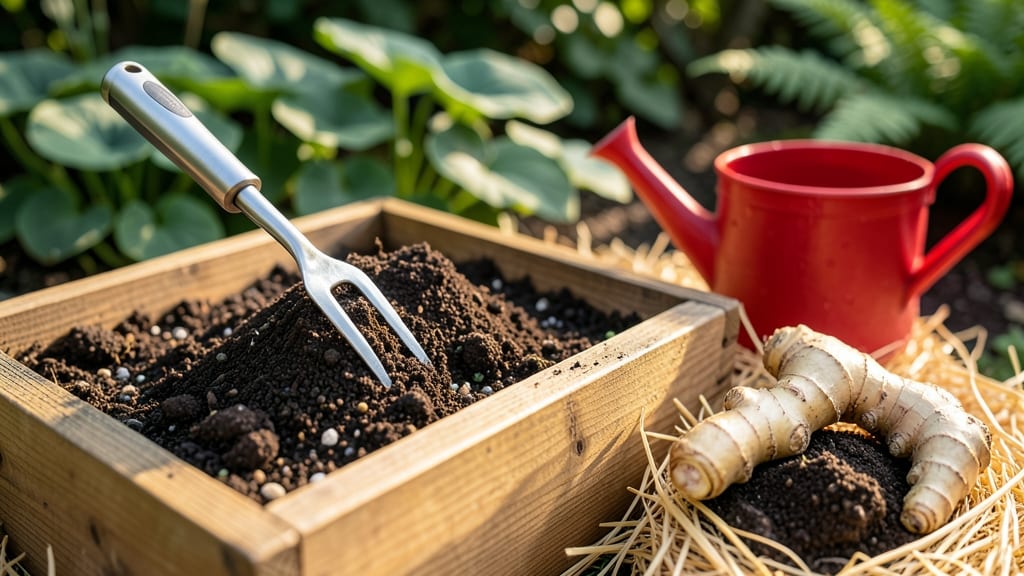
Timing your ginger planting in NC right can mean the difference between a bountiful harvest and wasted effort—especially in our 6b-8a zones where frost and humidity play tricks on growth.
Skip the guesswork and plant too early, and you’ll battle sluggish roots; wait too long, and your 🌿 ginger might not mature before winter’s chill sets in.
North Carolina’s climate gives you two prime windows to plant: spring (March–April) and fall (August–September), aligning perfectly with soil warmth and frost-free periods. But here’s the catch—coastal areas and mountain regions have different sweet spots, and container gardening changes the game entirely.
I’ll break down the exact months to plant for your specific zone, plus pro tips to prep your soil and spot early signs if you’ve planted at the wrong time. Ready to grow ginger that’s bold, flavorful, and ready to harvest in just 10–12 months?
Let’s dive into the ideal planting schedule and avoid the common mistakes that trip up even experienced NC gardeners.
Best months to plant ginger in north Carolina for maximum yield
North Carolina’s USDA zones 6b-8a offer two prime windows for planting ginger: spring (March-April) and fall (August-September). These months align with soil temperatures of 60-75°F, which ginger loves for root establishment.
Coastal areas like Wilmington can plant slightly earlier, while mountain regions (e.g., Asheville) should wait until after April 15 to avoid frost damage.
Spring planting gives ginger 10-12 months to mature before winter dormancy, while fall planting leverages NC’s 200+ frost-free days. Both strategies work, but spring yields are often larger due to full-season growth.
For containers, extend your window by 2-4 weeks—pots warm up faster in spring and cool down slower in fall.
Timing isn’t just about months—it’s about soil temperature. Use a soil thermometer to confirm 60°F+ at 4-inch depth before planting. In colder zones (6b), wait until after May 1 for fall planting to ensure rhizomes establish before frost.
Warmer zones (8a) can push fall planting to October 1 with light mulching.
🌱 Did You Know? Ginger rhizomes planted in August-September often produce sweeter, larger roots because they avoid summer heat stress while still benefiting from warm fall soils.
| Planting Window | USDA Zones | Soil Temp Requirement | Key Consideration |
|---|---|---|---|
| March 15 - April 15 | 6b-8a | 60°F+ at 4" | Avoid frost; ideal for full-season growth |
| August 1 - September 15 | 7a-8a | 65°F+ at 4" | Harvest before first frost (Nov 1-30) |
| Containers (Extended) | All Zones | 55°F+ at 4" | Move indoors if temps drop below 50°F |
For coastal NC (Zones 8a-9a), you can experiment with February or October plantings, but these are riskier due to unpredictable late frosts. Monitor NC State Climate Office forecasts for your specific county—some years, like 2021, saw unseasonable warmth extending the window by 3 weeks.
If you miss the ideal windows, don’t despair! Ginger is perennial in NC’s warmer zones (7a+). You can plant rhizome pieces in May or July for a smaller harvest, though yields will be 30-50% lower. The key is ensuring 6+ months of growth before winter dormancy.
Pro tip: Start ginger indoors in February for a head start. Use seed trays with partial shade and transplant outdoors after April 15. This method lets you harvest earlier and avoids competing with weeds during spring’s rapid growth phase.
Remember: Ginger hates cold soil. If you plant too early and face below-50°F nights, growth will stall until temperatures rise. Use black plastic mulch to warm soil by 5-10°F if needed.
For mountain regions (Zones 6b-7a), focus on late April-early May planting. These areas have shorter growing seasons, so prioritize fast-maturing varieties like ‘White ginger’ over slower-growing types. Mulch heavily with straw or leaves to protect rhizomes from early November frosts.
Best months to plant ginger in north Carolina for maximum yield
North Carolina’s USDA zones 6b-8a offer two prime windows for planting ginger: spring (March-April) and fall (August-September). These months align with soil temperatures of 60-70°F, ideal for rhizome sprouting.
Coastal areas like Wilmington can start 1-2 weeks earlier due to milder winters, while mountain regions (e.g., Asheville) should wait until after April 15 to avoid frost damage.
Spring planting gives ginger a full growing season before winter dormancy, while fall planting allows roots to establish before cooler temperatures. Zone 8a gardeners can even attempt a second fall planting in October for a winter harvest, though yields may be smaller.
Always check your local last frost date—planting too early risks frost-killed shoots.
| Planting Window | Soil Temp Requirement | NC Region Fit | Container Adaptation |
|---|---|---|---|
| Spring (March-April) | 60-70°F (consistent) | Coastal: March 1-15 Piedmont: March 15-April 1 Mountains: April 1-15 |
Use 12"+ pots with drainage; plant 2" deep |
| Fall (August-September) | 55-65°F (stable) | All regions (avoid after Sept 30) | Add 1" mulch; move containers to sheltered spot |
| Late Fall (October, Zone 8a only) | 50-60°F (minimum) | Coastal Zone 8a only | Insulate pots with bubble wrap |
For container gardening, timing flexibility increases—you can plant indoors under grow lights in February and transplant outdoors after last frost.
Harden off seedlings by placing them outside for 2-3 hours daily starting 2 weeks before transplanting. Rhizomes (the "root" pieces you plant) should be 1-2 inches thick and have visible buds or "eyes" for successful sprouting.
If you miss the ideal windows, don’t despair! February and May are secondary planting months in NC’s warmer microclimates.
For February starts, use a seedling heat mat to maintain soil temps above 60°F. May plantings should focus on shade protection during summer’s peak heat, as ginger struggles with temperatures above 90°F for extended periods.
Pro tip: Mark your calendar for September 15—this is the last recommended planting date in most of NC to ensure rhizomes mature before winter. Use a soil thermometer to confirm temps stay above 55°F at night.
In Zone 6b, aim for August 1-15 for fall planting to avoid early frosts.
Remember, ginger is a tropical perennial that behaves like an annual in NC. The key to success lies in planting when soil warmth triggers growth—not when air temperatures rise. Test your soil’s readiness by checking if it stays warm to the touch for 3 consecutive days before planting.