
Plants
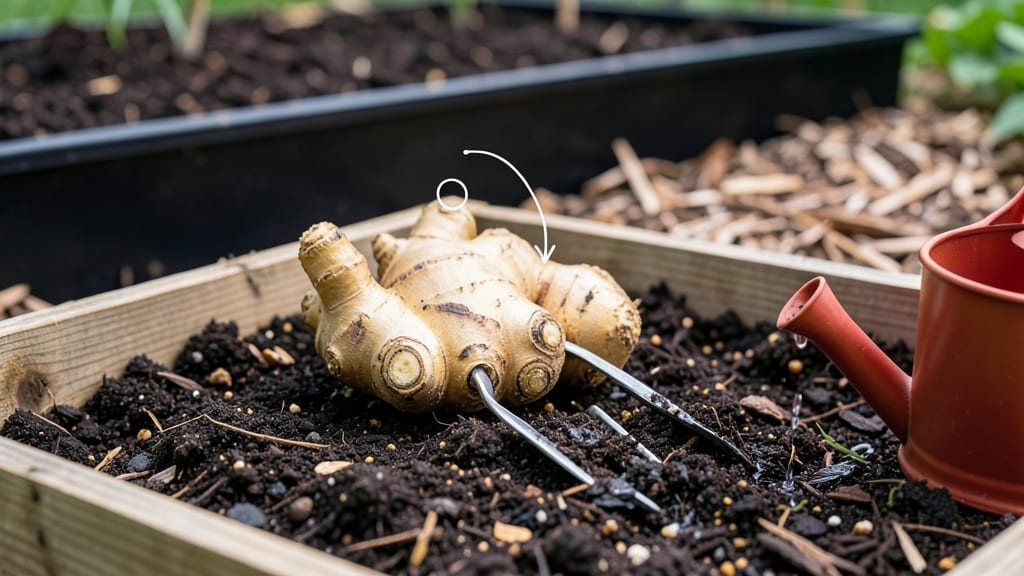
If you're dreaming of harvesting bold, aromatic ginger rhizomes in Zone 9, timing your planting is the key to success. Unlike cooler climates, Zone 9's frost-free year-round conditions mean you can grow ginger in two distinct windows—but planting at the wrong time risks stunted growth or even failure.
The secret lies in understanding ginger's natural rhythm. This tropical plant thrives when temperatures stay mild, typically between 60°F and 80°F. In Zone 9 (think Southern California, Arizona, or Florida), that means planting late summer to early fall (August-October) or during the cooler winter months (December-February).
Why does timing matter so much? Ginger grows from rhizomes, and planting them when the soil is too hot can stress the plant before it establishes roots. We'll break down exactly when to plant for maximum rhizome development, plus how to create ideal growing conditions in your Zone 9 garden.
Ready to grow ginger that's thicker, more flavorful, and ready for harvest in spring? Let's dive into the perfect planting schedule that works with—not against—your warm climate.

Best planting months for ginger in Zone 9’s hot climate
Zone 9’s warm winters and long summers make ginger cultivation a year-round possibility—but timing is critical. Unlike cooler climates, where spring planting dominates, Zone 9 gardeners must focus on late summer to early fall (August-October) or winter (December-February).
This schedule avoids the brutal summer heat while aligning with ginger’s need for 60-70°F soil temperatures to establish roots before the next heatwave.
Ginger rhizomes planted in August-September will establish roots during the mild fall, then enter dormancy as temperatures drop—perfect for Zone 9’s 50-60°F winter nights. Winter planting (December-February) gives ginger a head start in the mild spring, avoiding the stress of summer’s intensity.
Coastal areas like Southern California may extend this window slightly due to cooler microclimates, while inland regions should prioritize shade cloth during summer months.
Here’s why spring planting fails in Zone 9: By March, soil temperatures often exceed 80°F, causing rhizomes to rot before sprouting. Even if they do grow, the plants will bolt prematurely—producing flowers and seed stalks instead of thick, aromatic rhizomes.
The key is to plant when daytime highs are below 85°F and nights stay above 55°F.
For container gardening, adjust timing by 2-4 weeks earlier—pots heat up faster and dry out quicker. Use black plastic mulch in winter to maintain soil warmth, or straw mulch in summer to insulate roots. Both tricks help stabilize the 60-70°F root zone ginger craves.
| Planting Window | Soil Temp (°F) | Zone 9 Microclimate | Key Action |
|---|---|---|---|
| Late Summer (Aug-Sept) | 60-75°F | Coastal: 65-70°F Inland: 70-75°F |
Plant rhizomes 2-3" deep; mulch with straw |
| Winter (Dec-Feb) | 55-65°F | Coastal: 50-60°F Inland: 55-65°F |
Use black plastic mulch; protect from cold snaps |
| Spring (March-April) | Above 80°F (AVOID) | Risk of bolting | Skip unless using shade cloth (30% coverage) |
Pro tip: Test your soil temperature before planting using a soil thermometer. Ginger rhizomes won’t sprout until soil hits 60°F consistently—waiting ensures vigorous growth. In Zone 9’s inland valleys (e.g., Phoenix, Las Vegas), aim for September planting to avoid the monsoon humidity that can cause fungal issues.
Coastal gardeners in San Diego or Los Angeles can push to October thanks to cooler ocean breezes.
Another critical factor is rainfall timing. Zone 9’s summer monsoons (July-September) can drown ginger if planted too early. If you’re in a dry heat zone like Tucson, supplement with drip irrigation to maintain 1-2 inches of water weekly.
Overwatering in summer leads to rhizome rot, while underwatering causes stunted growth.
For urban gardeners with limited space, interplant ginger with companion plants like lettuce or beans that tolerate partial shade. This maximizes your plot’s productivity while keeping ginger’s roots cool. Just avoid planting near citrus trees—ginger’s shallow roots compete for nutrients, and citrus’s dense canopy creates too much shade.
Remember: Ginger is a tropical plant** that mimics its native monsoon cycles. By aligning your planting with Zone 9’s natural rainfall patterns (or irrigating to replicate them), you’ll encourage the same rhizome plumping seen in commercial ginger farms. The result? Larger, more flavorful harvests with minimal effort.
🌱
Best planting months for ginger in Zone 9’s hot climate
Zone 9’s year-round warmth means ginger thrives here—but timing matters to avoid heat stress or premature bolting. Unlike cooler zones, ginger in Zone 9 grows best during cooler months, when temperatures stay between 65°F and 80°F. Planting outside this window risks stunted rhizomes or bitter flavors.
Your ideal planting window is late summer to early fall (August–October) or winter (December–February). This aligns with Zone 9’s monsoon season or cooler coastal breezes, providing moisture without extreme heat. For inland areas, aim for November to escape summer’s peak.
Here’s why timing is critical: Ginger rhizomes need 6–8 months to mature in Zone 9’s climate. Planting in spring or summer forces rapid growth, leading to smaller, fibrous rhizomes. The key is to start when soil temps drop below 85°F—your cue to begin.
| Planting Window | Soil Temp | Zone 9 Micro-Climate | Rhizome Maturity |
|---|---|---|---|
| Late Summer (Aug–Oct) | 70°F–80°F | Coastal: Humid, mild nights | Spring harvest (March–May) |
| Winter (Dec–Feb) | 60°F–75°F | Inland: Dry, cooler nights | Summer harvest (June–July) |
| Avoid: Spring/Summer | Above 85°F | Heat stress, bolting risk | Stunted, bitter rhizomes |
For coastal Zone 9 (e.g., Southern California), prioritize August–September planting. The ocean’s cooling effect extends your growing season, while inland areas (e.g., Arizona) should plant in November to avoid desert heat. Always test soil temps with a soil thermometer—ginger roots need warmth, but leaves crave cooler air.
Pro tip: Use shade cloth (30–50%) if planting in late summer to protect young shoots from intense afternoon sun. Mulch with straw or wood chips to retain moisture and regulate soil temps. This dual strategy mimics ginger’s native tropical understory habitat.
Remember, ginger in Zone 9 is a long-game crop. Patience pays off—rhizomes planted in December may not harvest until June, but the flavor and size will be superior. Mark your calendar now for your optimal 2–3 month window! 🌱