
Plants
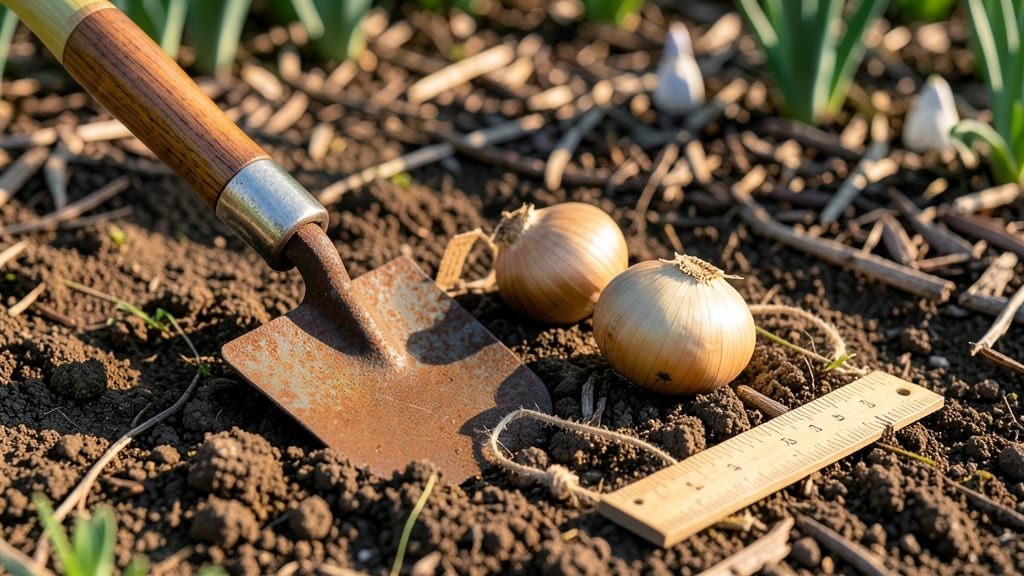
If you’ve ever planted gladiolus bulbs in Connecticut only to watch them bolt or fail to bloom, you’re not alone. The key to vibrant, healthy 🌸 gladiolus lies in timing—specifically, waiting until the soil warms and frost risks fade.
Connecticut’s unpredictable spring makes this tricky. Planting too early risks frost damage, while waiting too long can delay those show-stopping blooms. The sweet spot? Mid to late May, when soil temperatures consistently hit 55-60°F—but there’s more to it than just dates.
I’ll break down exactly how to time your planting for zero-bolt blooms, including soil prep tips and how to adjust for CT’s microclimates. Whether you’re in coastal areas or inland regions, these strategies will help you avoid common mistakes and get the most from your gladiolus.
Ready to transform your garden? Let’s dive into the perfect planting window for Connecticut’s climate—so you can enjoy those towering 🌸 gladiolus from July through September without the guesswork.
Connecticut gladiolus planting timeline: soil temperature & frost date guide
Connecticut’s USDA Zone 6a climate means gladiolus bulbs need precise timing to thrive. Planting too early risks frost damage, while waiting too long can lead to bolted flowers or weak stems. The key is waiting until soil temperatures reach 55-60°F and all danger of frost has passed.
For most of Connecticut, this translates to mid-to-late May planting. However, coastal areas near Long Island Sound may need to wait until early June due to cooler soils. Always check your local last frost date—typically around April 15 in inland areas but later near the coast.
Gladiolus bulbs can also be planted in early fall (late August to early September) for blooms the following summer. This second window works because the bulbs establish roots before winter dormancy. Just ensure they have 6-8 weeks to root before the first frost.
To avoid common mistakes, use a soil thermometer to confirm warmth before planting. Cold soil can stunt growth, while rushing too early risks frost-killed sprouts. In my Zone 6a garden, I wait until early May when nighttime temps consistently stay above 45°F.
| Planting Window | Soil Temp | Frost Risk | Action |
|---|---|---|---|
| Mid-to-late May | 55-60°F | Low (after April 15) | Plant bulbs 4-6" deep |
| Late August-Sept | 60-65°F | Moderate (before Oct 15) | Plant for next summer |
| Early June (coastal) | 50-55°F | High (until May 20) | Wait for soil warmth |
Pro tip: Use black plastic mulch to warm soil faster in cooler CT regions. This can shave off 1-2 weeks of waiting time. I’ve seen gladiolus planted under mulch bloom 2 weeks earlier than those in bare soil.
After planting, maintain consistent moisture but avoid waterlogging—gladiolus roots rot easily in soggy soil. In my garden, I water deeply once a week during dry spells, focusing on the root zone rather than the foliage.
For container gardening in urban CT areas, use well-draining pots and plant bulbs in late May when daytime temps stay above 60°F. Containers warm up faster than ground soil, so you can plant slightly earlier than in-ground gardens.
Remember: Gladiolus bulbs are not winter-hardy in CT. If you plant in fall, mulch heavily with straw or leaves to protect them from freezing. In my experience, bulbs left uncovered often sprout too early in spring, risking frost damage.
Start with dwarf varieties like 'Picotee' or 'Attraction' if you’re new to gladiolus gardening—they’re more forgiving of timing mistakes. These varieties also handle CT’s humid summers better than tall, top-heavy types.
Finally, mark your planting date and track bloom times. In my Zone 6a garden, gladiolus planted in late May typically bloom by mid-July, while fall-planted bulbs flower in June of the next year. Adjust your schedule based on your first year’s results!
Connecticut gladiolus planting timeline: soil temperature & frost date guide
Connecticut’s USDA Zone 6a climate means gladiolus bulbs need precise timing to thrive. Planting too early risks frost damage, while late planting can result in bolted flowers or weak stems. The ideal window is 4-6 weeks after the last frost date, typically mid-to-late May for most of the state.
For accurate timing, use the 55-60°F soil temperature threshold as your guide. A soil thermometer is your best tool—wait until the ground consistently stays above 55°F at a 4-inch depth.
Coastal areas like New Haven or Stamford may need to wait until early June due to cooler soils near Long Island Sound.
| Planting Stage | Key Action | CT Timeline |
|---|---|---|
| Soil Prep | Test pH (6.0-7.0), add compost | Early April |
| Last Frost Date | Wait 4-6 weeks after | Mid-April (avg.) |
| Planting Window | Bulbs 4-6" deep, 6" apart | Mid-May to early June |
| Bloom Period | Cut flowers when lower buds swell | July-September |
Fall planting is possible in southern CT (Zone 7), but most of the state should avoid it. If you attempt fall planting, aim for late September—allowing bulbs to establish roots before first frost (mid-October). However, spring planting yields taller, stronger stems with fewer bolting issues.
For urban gardeners with containers, use a heat mat to warm soil faster. Place pots in full sun and monitor soil temps daily. Inland areas like Hartford or Enfield can plant 1-2 weeks earlier than coastal zones due to warmer microclimates.
Always check local Almanac frost dates for your specific town.
Remember: Gladiolus bulbs are corms, not true bulbs. They store energy underground and need well-draining soil to prevent rot. Amend heavy CT clay with sand or perlite if your garden holds moisture. Mulch after planting to maintain consistent soil temps and retain moisture.
Pro tip: Mark your planting date on a calendar. In CT, blooms typically appear 90-120 days after planting. If you want late-summer flowers, plant early May varieties. For fall color, opt for June planting with shorter-day varieties.