
Plants
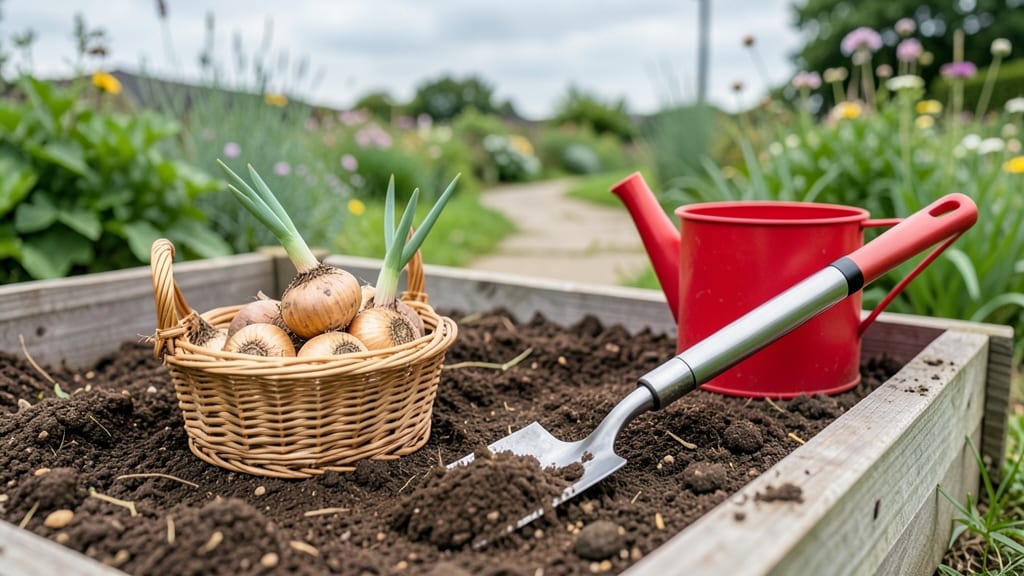
Timing is everything when planting gladiolus bulbs in the UK—get it wrong, and your vibrant 🌸 gladiolus may never reach their full potential. With the right frost-free window, you can enjoy stunning summer displays from these hardy perennials, but knowing exactly when to plant depends on your region’s climate.
Most UK gardeners aim to plant between mid-April and early June, but this can shift slightly depending on whether you're in a cooler Highland area or a warmer southern county.
The key is waiting until the soil has warmed and the risk of frost has passed—typically after your last frost date, which varies dramatically across the country.
If you're eager to get started, you might consider chitting bulbs indoors in late March to give them a head start. This simple technique can make all the difference in ensuring strong, healthy growth once they’re planted outdoors. But rushing too early can leave bulbs vulnerable to cold snaps.
Don’t worry if you’re unsure about your exact planting window—I’ll walk you through regional adjustments, soil prep tips, and even how to rescue bulbs planted too early. Let’s make sure your gladiolus thrive from the very first spadeful of soil.
UK gladiolus planting dates by region: avoiding frost damage
Gladiolus bulbs thrive in the UK when planted after the last frost date, which varies dramatically across regions. In England's warmer south, like London or Brighton, you can start as early as mid-April.
Meanwhile, Scotland's cooler climate (e.g., Aberdeen) often waits until late May to ensure safety. These differences matter because frost can kill emerging shoots, leaving you with no blooms.
Coastal areas—like Cornwall or Wales—often enjoy earlier frost-free conditions than inland spots, thanks to the Gulf Stream's moderating effect. For example, Penzance may plant in early April, while York's inland location might delay planting until early May.
Always check your local Met Office frost records for the past 5 years to refine your timing.
Here’s how to calculate your safe planting window:
| Region | Last Frost Date | Ideal Planting Window | Micro-Climate Notes |
|---|---|---|---|
| South England (London, Brighton) | Mid-April | Late April – Early May | Urban heat islands plant 1-2 weeks earlier |
| Midlands (Birmingham, Nottingham) | Early May | Early May – Mid-May | Inland areas delay planting by 10-14 days |
| North England (Manchester, Leeds) | Late April | Late May – Early June | Cooler soils need warmer conditions |
| Scotland (Edinburgh, Aberdeen) | Early June | Late May – June | Highland areas wait until soil warms |
| Wales (Cardiff, Swansea) | Late April | Early May – Late May | Coastal areas plant 1-3 weeks earlier |
| Northern Ireland (Belfast, Derry) | Mid-May | Late May – June | Atlantic influence delays frost |
If you’re unsure about your local frost dates, use the BBC Weather frost forecast or contact your nearest Royal Horticultural Society (RHS) advisor. For container gardening, you can plant 2-3 weeks earlier since pots warm up faster in spring sunshine.
Once you’ve picked your window, test soil temperature before planting. Gladiolus bulbs need soil at 10°C (50°F) or warmer. Use a simple soil thermometer (£5-£10 from garden centers) or press your finger into the soil—if it feels warm to the touch, it’s ready.
Cold soil slows root growth and increases rot risk.
Pro tip: Chit your bulbs (place them in a bright, cool spot for 4-6 weeks before planting) to give them a head start. This is especially useful in cooler UK regions where the growing season is shorter.
Just avoid letting them sprout before planting, or they’ll struggle to adapt.
After planting, mulch with straw to retain soil warmth and moisture. This helps extend your planting window by a few weeks in marginal areas. Just
Finally, keep an eye on your local 7-day forecast for any late frosts. If frost is predicted after planting, cover your gladiolus with fleece or cloches until temperatures rise. A little extra protection now means vibrant blooms in summer.
With these regional guidelines, you’ll avoid frost damage and set your gladiolus up for a show-stopping summer display. 🌸
How to prepare gladiolus bulbs for UK planting: soil and storage tips
Before you even think about planting your gladiolus bulbs, proper preparation is key—especially in the UK’s unpredictable climate. I’ve learned that chitting bulbs indoors in late March can give them a head start, but only if you do it right.
This process involves exposing bulbs to light and warmth to encourage early root growth, making them more resilient once they hit the garden.
Start by placing your bulbs in a cool, bright spot (like a windowsill) with their necks pointing upward. Keep them there for about 4-6 weeks before planting outdoors. This mimics the natural warming of soil and helps bulbs establish roots faster, giving you stronger plants come summer.
Just avoid letting them get too warm—10-15°C (50-59°F) is ideal.
Now, let’s talk soil preparation, because gladiolus hate soggy feet. Most UK gardens have clay-heavy or waterlogged soil, which can rot bulbs before they even sprout. To fix this, I always mix in organic matter like compost or well-rotted manure to improve drainage.
Aim for a pH between 6.0 and 7.0—gladiolus prefer slightly acidic to neutral soil.
🌱 Key Takeaways for UK Gladiolus Prep
- Chitting: Start bulbs indoors 4-6 weeks before planting
- Soil pH: Test and adjust to 6.0-7.0 for best growth
- Drainage: Amend clay soil with compost or grit
- Storage: Keep bulbs in a cool, dry place before chitting
If you’ve bought bulbs late or stored them improperly, don’t panic—proper storage can save them. Store bulbs in a cool, dry place (like a garage or shed) with good airflow.
Avoid plastic bags, as they trap moisture and encourage rot. I like to place bulbs in paper bags or mesh containers to keep them breathable until planting time.
One common mistake I see is planting bulbs that are still dormant or damaged. Before planting, inspect each bulb for soft spots, mold, or shriveled necks—these are red flags. Discard any bulbs that don’t look firm and healthy.
Healthy bulbs should feel firm and plump, with no signs of decay. If you’re unsure, soak them in a weak bleach solution (1 part bleach to 9 parts water) for 10 minutes to sterilize before planting.
Finally, remember that gladiolus bulbs are hungry plants—they’ll reward you with taller stems and bigger blooms if you give them the right nutrients. Mix a slow-release fertilizer (like bone meal) into the planting hole to give them a nutrient boost right from the start.
This is especially important in poor UK soils, where nutrients can leach away quickly.