
Plants
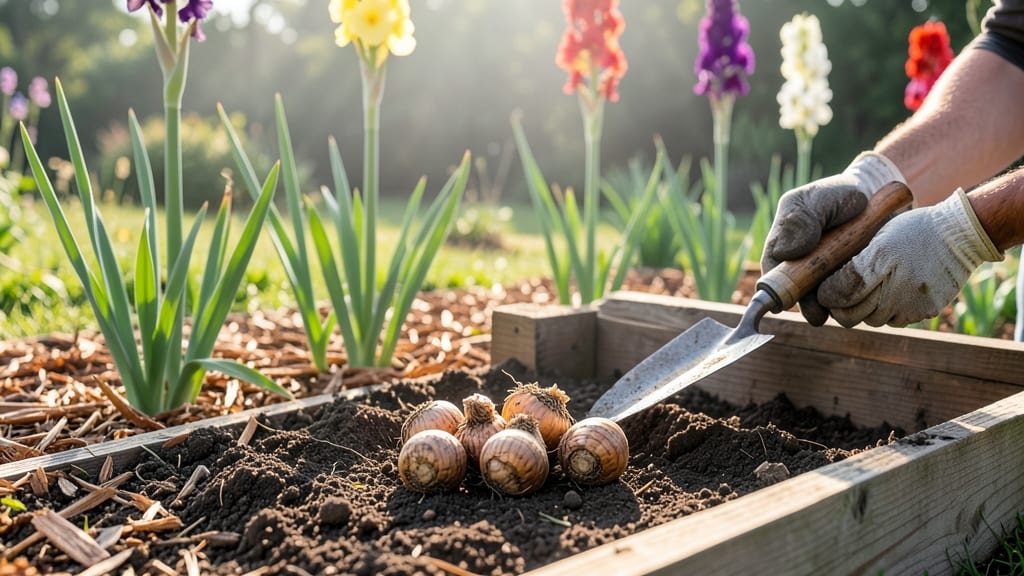
If you're dreaming of bold summer blooms in your Chicago garden, when to plant gladiolus bulbs in Chicago is the key to success. Timing is everything—planting them too early risks frost damage, while waiting too long might leave you with sparse flowers.
The ideal window—mid-April to early June—aligns perfectly with Chicago's last frost dates and soil warming trends.
Gladiolus 🌸 thrive when planted after the danger of frost has passed, but don't wait until June to get started.
Chicago's Zone 6a climate means you've got a narrow but critical window to prepare your soil, plant your corms, and give them the full sun they crave for those stunning summer displays.
I've seen firsthand how a few weeks can make all the difference in flower production. Whether you're a seasoned gardener or just starting, understanding the local frost patterns and soil conditions will help you avoid common mistakes that can ruin your gladiolus season.
Let's break down exactly when to plant, how deep to go, and what adjustments to make based on Chicago's unique growing conditions. Your most vibrant gladiolus starts with the right timing—and I'll show you how to get it right.
Chicago’s gladiolus planting timeline: frost dates and soil temperature guide
Chicago’s USDA Zone 6a climate creates a tight window for planting gladiolus bulbs—late enough to avoid frost, but early enough for summer blooms. The average last frost date hovers around May 15–June 1, but urban heat islands in neighborhoods like Lincoln Park can push this window earlier.
Historical data from the Chicago Botanic Garden shows 1990–2020 frost-free periods lasting 165 days on average.
For gladiolus corms to thrive, soil must reach 60°F+ consistently—a threshold Chicago typically hits by mid-May in most areas. However, cooler years or high-altitude locations (like Lincoln Park) may delay this by 1–2 weeks.
Use a soil thermometer to confirm readiness, especially if you’re in a northern suburb like Waukegan.
Planting too early risks frost damage to emerging shoots, while delaying past early June may result in stunted blooms before the first frost in October. The sweet spot? Aim for 4–6 weeks before your last frost date—typically mid-April to early May for most Chicago gardens.
Chicago’s clay-heavy soil poses another challenge: poor drainage can rot gladiolus corms before they bloom. Amend your soil with compost or sand to improve aeration, especially in low-lying areas like Pullman Park.
If your garden holds water after rain, consider raised beds—they warm up faster in spring and drain better.
For cut-flower production, prioritize planting by late April to ensure blooms peak in July–August. Ornamental gardeners can stretch the window to early June, but expect slightly smaller flowers. Always choose corms labeled for Zone 6 or hardier varieties like 'Romeo' or 'White Prosperity' for Chicago’s climate.
Pro tip: Mark your planting date on a calendar and track soil temperature weekly. If a late frost hits after planting, cover young shoots with row fabric until temperatures stabilize. This simple step can save your gladiolus from a frost-kissed failure.
Remember, Chicago’s microclimates vary dramatically—what works in downtown’s urban core may fail in suburban Evanston. When in doubt, err on the side of planting later rather than risking frost damage to your gladiolus corms.
With the right timing and soil prep, your gladiolus will reward you with bold, dramatic blooms that rival any Chicago flower show—all while thriving in your backyard.
Step-by-step gladiolus planting schedule for Chicago gardens
Chicago’s gladiolus bulbs thrive when planted at the right time, but the 4-6 week window before your last frost can feel overwhelming. I’ve broken it down into a clear month-by-month schedule so you can plant with confidence—whether you’re growing for cut flowers or show-stopping summer displays.
For Chicago’s Zone 6a climate, aim to plant between mid-April and early June. This timeline accounts for soil warming (60°F+) and avoids late frosts that can damage tender shoots. Urban areas may warm faster, so adjust slightly if you’re in a heat island like downtown.
Test soil temperature (use a thermometer). If it’s 55°F+, plant early blooming varieties (e.g., ‘Picasso’, ‘Green Star’) in raised beds first—they warm faster. Space corms 6 inches apart, 4-6 inches deep.
Plant main-season varieties (e.g., ‘Black Pearl’, ‘Starlight’) as soil hits 60°F+. In in-ground beds, amend clay soil with compost to improve drainage. Mulch with 2 inches of straw to retain moisture and suppress weeds.
For late-season blooms, plant tall varieties (e.g., ‘White Prosperity’) by June 1. Stake 5-foot-tall stems early to prevent flopping. Water deeply 2x/week once shoots emerge—gladiolus hate dry spells!
If you’re growing cut flowers, prioritize early June planting for July harvests. For ornamental displays, stagger plantings every 2-3 weeks to extend blooms through September. Just remember: No gladiolus after June 15—late plantings risk stunted growth and fewer blooms.
Chicago’s heavy clay soil can be tricky, so I always raise beds or mix in sand and compost for better drainage. Well-draining soil prevents rot, especially during our humid summers. After planting, water lightly to settle the soil, then hold off on heavy watering until shoots appear.
For container gardening, use pots at least 12 inches deep with drainage holes. Plant 3-4 corms per container, and place them in full sun (south-facing windows or balconies). Containers dry out faster, so check soil moisture daily in heatwaves.
Finally, don’t forget to fertilize lightly when shoots are 6 inches tall—use a balanced 10-10-10 fertilizer to encourage strong stems and bold blooms. With this schedule, you’ll have glorious gladiolus spikes from July to frost! 🌸