
Plants
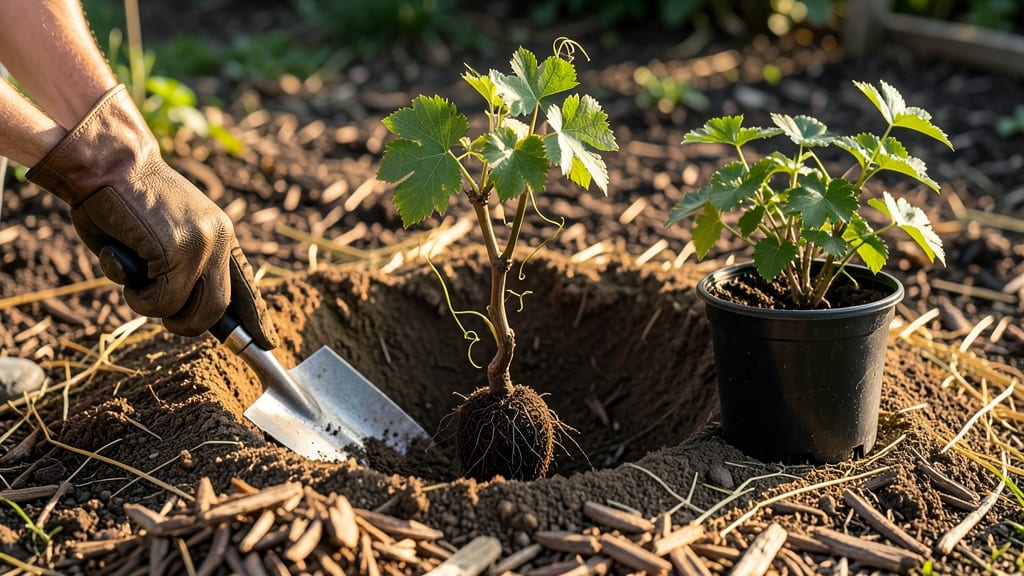
Timing your grape vine 🍇 planting in Texas isn’t just about the calendar—it’s about matching your variety to the region’s chill-hour puzzle. Skip the guesswork, and you risk vines that either bolt in summer heat or fail to bloom come spring.
The secret lies in understanding how 300 chill hours in South Texas differ from 900+ in North Texas, and why planting too early might fry your vines before they take root.
I’ve seen firsthand how a two-week delay can mean the difference between a thriving muscadine and one that struggles to fruit.
Whether you’re in Zone 8a’s cooler pockets or Zone 10b’s relentless sun, the right window—late winter or fall—sets the stage for vines that grow strong enough to handle Texas’s extremes. Let’s break down exactly when to dig in, which varieties thrive where, and how to outsmart the weather.
You don’t need a degree in horticulture to get this right—just a few key tricks, like checking soil temps before planting or choosing heat-tolerant hybrids. I’ll walk you through the step-by-step timing tailored to your Texas microclimate, so you can avoid the costly mistakes I’ve seen too many gardeners make.
Ready to turn your backyard into a grape-growing powerhouse?
The best part? By harvest season, you’ll be sipping wine or snacking on fresh grapes—all because you planted at the perfect moment. Let’s get those vines in the ground the smart way.
Texas grape planting calendar: chill-hour zones and best months by variety
Texas’s sprawling geography means chill-hour requirements vary dramatically from the Panhandle’s 1,000+ hours to South Texas’s 300–500 hours. Choosing the right grape variety and planting window is critical—get it wrong, and your vines may never fruit.
For example, vinifera grapes (like Cabernet Sauvignon) need 700+ chill hours, making them risky in Houston, while muscadines thrive with just 300–500 hours and handle Texas heat beautifully.
Let’s break down the optimal planting months for Texas’s three main regions: North Texas (Dallas/Fort Worth), Central Texas (Austin/San Antonio), and South Texas (Houston/Beaumont). Each zone has distinct frost dates, soil temperatures, and microclimates that dictate whether you should plant in fall or spring.
Pro tip: Bare-root vines planted in late winter (February–March) give roots time to establish before summer heat, while dormant vines in fall (October–November) avoid early-season stress.
Here’s how chill-hour zones map to planting windows and grape varieties:
Spring planting (February–March) is ideal for North and Central Texas because soil temperatures are consistently above 60°F, encouraging root growth. However, South Texas’s mild winters mean you can plant as early as January—just ensure soil isn’t waterlogged. For fall planting, aim for 6–8 weeks before your region’s first frost (e.g., October 15 in North Texas, November 1 in Central Texas). This gives vines time to establish roots before winter dormancy.
Pro tip: Use a soil thermometer—grape roots need at least 55°F soil temps to thrive. If temps drop below 50°F, delay planting until conditions improve. In South Texas, where hurricanes and heatwaves are common, container-grown vines offer flexibility to move plants to shelter if needed. For in-ground plantings, choose well-draining soil with a pH of 6.0–7.0 to prevent root rot, especially in clay-heavy soils common in East Texas.
Variety selection is just as critical as timing. Muscadines (like ‘Carlos’) are heat-tolerant and perfect for South Texas, while hybrids (like ‘Norton’) handle Central Texas’s humidity better than traditional vinifera. If you’re in North Texas, French hybrids (e.g., ‘Chambourcin’) balance chill hours and disease resistance. Always check the USDA Plant Hardiness Zone for your specific county—Texas spans Zones 7b to 10a, and chill-hour maps can vary even within cities.
One common mistake? Planting too late in spring (after April 1). By then, summer heat can overwhelm young vines, leading to leaf scorch or root death. Conversely, fall plantings after November 15 risk frost damage before roots establish.
To hedge your bets, plant in containers during your first season, then transplant to the ground the following fall or early spring. This buys time for root development and reduces transplant shock.
🍇
How to adjust planting timing for Texas’s unpredictable weather patterns
Texas’s weather can throw off even the most experienced gardener—unexpected freezes in North Texas or scorching heatwaves in South Texas can derail your grape vine’s growth if you’re not prepared.
The key is flexibility: adjust your planting timeline based on soil temperature, frost dates, and your grape variety’s chill-hour needs. For example, if a late frost hits in March, delay planting until soil warms to 60°F (15°C).
Container growing is a game-changer for late plantings. Potted grape vines warm up faster in spring and can be moved indoors if frost threatens. Choose 5-gallon containers with drainage holes and use a well-draining potting mix to prevent root rot.
This method also lets you adjust placement based on sunlight availability—critical in Texas’s variable weather.
Early freezes can kill young vines, while heatwaves stress newly planted grapes. Always monitor local frost dates (e.g., North Texas: Dec 1–Jan 15, South Texas: Nov 15–Dec 15) and use row covers if frost is forecasted after planting.
🌡️ Soil temp tip: Use a soil thermometer—grapes need 55–65°F (13–18°C) to root effectively.
For fall plantings, aim for October–November in most of Texas, but push to early December in South Texas where winters are milder. Dormant vines planted in fall establish roots before spring growth begins, giving them a head start.
However, avoid planting after November 15 in North Texas—vines may not harden off enough for winter.
Drought is another Texas wildcard. Once established, grape vines are drought-tolerant, but young vines need consistent moisture during their first year. If rainfall is scarce, deep-water weekly (1–2 gallons per vine) and mulch heavily to retain soil moisture. In extreme drought years, consider drip irrigation for precise water delivery.
Pro tip: Prune strategically to manage stress. After planting, trim back 2/3 of the canes to encourage stronger root growth. In spring, prune again to 4–6 buds per cane—this balances fruit production with vine health, especially in high-heat zones like West Texas.
Finally, keep a gardening journal to track your local microclimate. Note when your last frost occurs, how long soil stays warm, and which varieties thrive in your area. Over time, you’ll refine your planting schedule to outsmart Texas’s weather—not just adapt to it. 🌱