
Plants
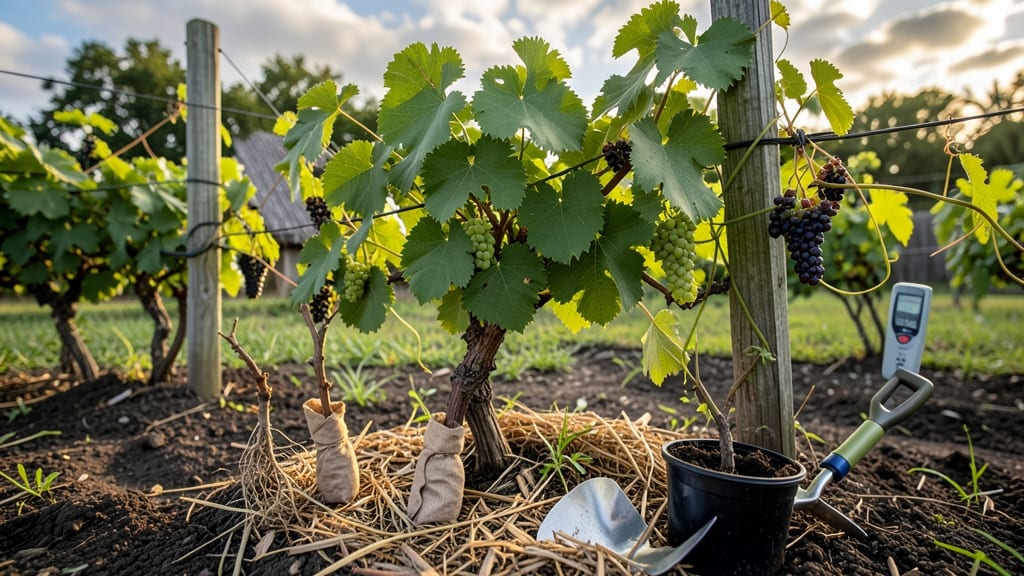
If you’ve ever dreamed of growing your own 🍇 grapes in Florida, when to plant grapes in florida is the first step to success—especially with the state’s intense heat. Planting at the right moment—typically between November and March—gives vines a strong start before summer’s intensity kicks in.
Florida’s climate zones (8a-11) mean your exact planting window could shift slightly, but the principle stays the same: cooler months help roots establish while avoiding heat stress.
Whether you’re growing muscadines or table grapes, the difference between a thriving vine and a struggling one often comes down to when you put them in the ground.
I’ll walk you through the best months for each Florida region, the heat-tolerant varieties that shine here, and pro tips to keep your vines happy year-round. No more guesswork—just a clear, actionable plan for a bountiful harvest.
Ready to turn your backyard into a grape haven? Let’s get started with the perfect planting schedule for your zone.
Best months to plant grapes in Florida by climate zone (exact timing guide)
Florida’s climate varies dramatically from the cooler North to the humid South, so planting grapes at the right time is critical. In North Florida (USDA Zones 8a-8b), the last frost typically hits around January 15, while South Florida (Zones 10a-11) rarely sees frost.
This means your planting window shifts based on location—but the goal is always the same: establish roots before the summer heat stress kicks in.
For optimal success, aim to plant bare-root grape vines between November and March. This cool-season window allows roots to establish before Florida’s intense heat arrives.
In Central Florida (Zone 9a-9b), you can extend planting slightly into early April, but avoid May through September entirely—those months bring extreme heat and humidity, which stress young vines.
Soil temperature is your best guide: grapes thrive when soil is between 50°F and 65°F. Use a soil thermometer to check—if temps rise above 70°F, delay planting until conditions cool. In South Florida, where frost is rare, focus on September-October planting to avoid the peak summer dry spell.
If you miss the ideal window, don’t panic—you can still plant in late spring (May), but success depends on adequate irrigation and shade cloth to protect young vines from afternoon sun.
In my Central Florida garden, I’ve had luck with June plantings by using 50% shade cloth for the first 6 weeks and daily deep watering.
Another pro tip: Container growing extends your options. Potted grapes can be moved to shaded patios during summer or brought indoors if temps exceed 90°F. Just ensure containers have drainage holes and use a well-draining potting mix to prevent root rot—a common issue in Florida’s humid climate.
Rainfall patterns also play a role. In North Florida, aim for planting during dry spells in late fall to avoid waterlogged soil. In South Florida, where rain is more consistent, focus on well-draining soil to prevent root suffocation.
Amend clay-heavy soils with compost or sand to improve aeration.
For Muscadine grapes, Florida’s native variety, the window is slightly wider—you can plant as late as early May in South Florida because their thick skins tolerate more heat.
However, European table grapes (like Thomcord) need that cooler window to establish properly. Always check the variety’s hardiness zone before planting.
Finally, don’t forget to prune established vines in late winter (February) to shape them before new growth begins. This encourages airflow, reducing the risk of fungal diseases like powdery mildew—a common issue in Florida’s humid summers.
A well-pruned vine is a healthier vine, and healthier vines produce better fruit.
With the right timing and care, your grape vines will thrive in Florida’s challenging climate—yielding sweet, homegrown grapes for years to come. 🍇
Best months to plant grapes in Florida by climate zone (exact timing guide)
Florida’s three distinct climate zones—North, Central, and South—each demand different planting windows for grapes. The key is planting when soil temps are cool (below 75°F) and humidity is lower, which reduces fungal risks.
In North Florida (Zones 8a-9a), your window is narrower due to cooler winters, while South Florida (Zones 10a-11) offers a longer but trickier schedule because of year-round heat.
For all zones, bare-root vines are best planted in late fall or winter, giving roots time to establish before Florida’s intense summer heat arrives. Spring planting is riskier unless you’re in South Florida, where hurricane season adds another layer of complexity.
Let’s break down the exact months for each zone to maximize your grapevine’s success.
🌱
Florida Grape Planting Schedule by Zone
| Zone | Best Planting Months | Soil Temp Range (°F) | Key Considerations |
|---|---|---|---|
| North Florida (8a-9a) | November–February | 50–65°F | Avoid frost (Jan–Feb); mulch heavily. |
| Central Florida (9b-10a) | October–March | 60–70°F | Watch for hurricane season (June–Nov). |
| South Florida (10b-11) | September–November or February–March | 65–75°F | Use shade cloth in summer; container-grown vines adapt better. |
⚠️ Pro Tip: Test soil 2 weeks before planting—ideal pH is 5.5–6.5 for Florida grapes.
If you’re in North Florida, aim for November planting to beat winter frosts that can damage young roots.
For Central Florida, December–January is ideal, but October works if you’re planting container-grown vines that can be moved indoors during storms. South Florida growers have the most flexibility but must avoid summer planting due to heat stress and pests like grape leafhoppers.
For all zones, avoid planting in spring unless you’re in South Florida, where April–May can work for heat-tolerant varieties like Muscadine. The risk? Rapid vine growth in summer heat leads to sunburned leaves and reduced yields. Instead, prioritize root establishment during cooler months.
One critical factor across all zones is rainfall timing. Florida’s wet summers can drown young vines, while dry winters stress them. Mulch with 3–4 inches of straw or wood chips to retain moisture and regulate soil temperature.
In hurricane-prone areas, secure trellises with hurricane ties—grapes need support but can’t handle 100+ mph winds.
Finally, choose the right variety for your zone. Muscadines and Scuppernongs thrive in South Florida’s heat, while Thomcord and Catawba do better in North Florida’s cooler winters. Matching your grape variety to your climate zone is just as important as planting timing.
🌿