
Plants
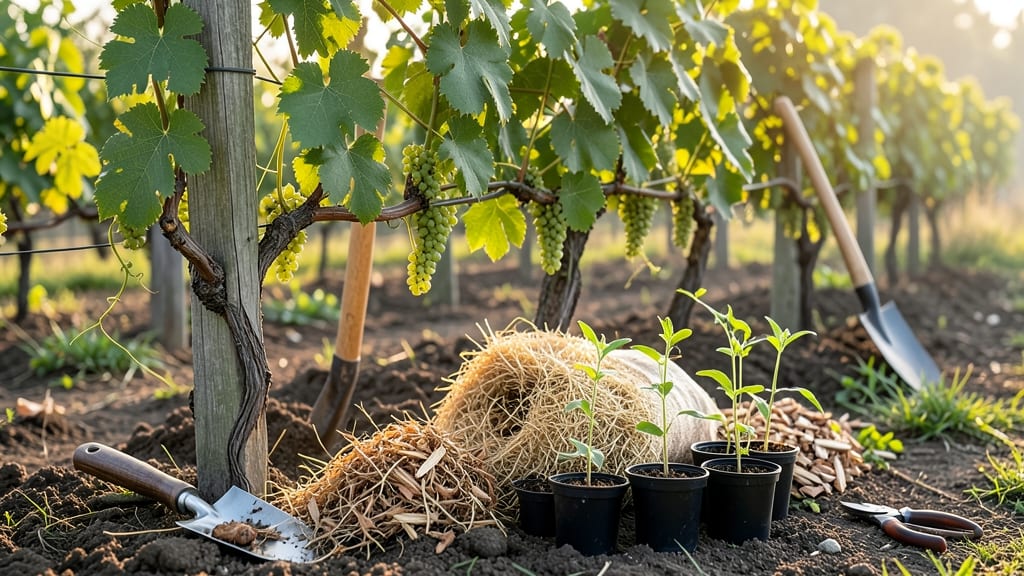
If you're dreaming of homegrown 🍇 grapes but wondering "when to plant grapes in NC", timing is the game-changer that separates thriving vines from winter casualties.
North Carolina's warm winters and hot summers create a tricky balance—plant too early, and your vines might bolt before winter; too late, and they won't establish strong roots before the heat hits.
I've spent years growing grapes in NC's diverse zones, and the key is understanding your specific region's frost patterns and chill-hour requirements. Whether you're in the cooler mountains or the warmer coastal plains, the right planting window makes all the difference for varieties from Muscadines to Cabernet Sauvignon.
Most NC gardeners get it right by planting in early spring when soil temperatures hit 60°F, giving vines a head start before summer's intensity.
But there's more to it than just the calendar—soil prep, variety selection, and even microclimates play crucial roles in ensuring your grapevines thrive year after year.
Let me walk you through the exact planting strategies that work for NC's unique conditions, so you can enjoy that first harvest of luscious homegrown grapes without the guesswork. Ready to get started?
North Carolina grape planting timeline by chill-hour requirements
North Carolina’s grape growers face a critical decision: when to plant grapes based on chill-hour needs. Unlike many crops, grapes require a specific number of hours below 45°F (7°C) to break dormancy and produce fruit.
This chill-hour requirement varies dramatically by variety—from 300 hours for heat-loving Muscadines to 1,000+ hours for cold-hardy hybrids like Norton.
Planting at the wrong time can lead to poor bud break, reduced yields, or even vine death if the plant isn’t acclimated to NC’s variable winters.
The good news? By matching your grape variety to your USDA zone and planting in the optimal window, you can ensure reliable harvests year after year.
Most NC gardeners choose between spring planting (March–April) and fall planting (October–November). Spring planting gives vines a full growing season to establish roots before winter, while fall planting allows roots to settle before dormancy. The best choice depends on your chill-hour zone and grape variety.
For Muscadine grapes (common in NC’s Coastal Plain), the spring planting window (March–April) is ideal because these varieties thrive in heat and don’t require as many chill hours. Planting them in fall risks early bud break and frost damage before they’re hardened off.
In contrast, Vinifera grapes (like Cabernet Sauvignon) need 1,000+ chill hours and should be planted in early fall (October). This gives roots time to establish before winter dormancy. If you’re in USDA Zone 7b or colder (common in the NC Mountains), fall planting is safer for cold-sensitive varieties.
Hybrid grapes like Norton or Catawba offer flexibility—they can handle 500–800 chill hours and tolerate both spring and fall planting. However, fall planting is often preferred because it reduces transplant shock by letting vines acclimate over winter.
Pro tip: Check your local chill-hour data using the NC State Extension’s climate maps. For example, Asheville (Zone 7b) averages 800 chill hours, while Raleigh (Zone 7a) gets around 600 hours. Match your variety to your location to avoid wasted effort!
If you’re unsure about your chill-hour zone, start with Muscadines or hybrids—they’re the most forgiving for NC’s variable winters. For Vinifera grapes, consider microclimate adjustments, like planting near a south-facing wall to extend the growing season.
Remember: Soil temperature matters just as much as air temperature. Plant when soil is at least 60°F (15°C)—use a soil thermometer to check. In cooler zones, wait until late April to avoid root rot from cold, wet soil.
🍇
Best months to plant grapes in NC: regional breakdown by USDA Zone
North Carolina’s three distinct climate zones—Piedmont, Coastal Plain, and Mountains—each demand different planting windows for grapes. Timing matters because vines need time to establish roots before winter. In Zone 7a-8a (Piedmont), I recommend late winter to early spring (February-March) for most varieties.
Meanwhile, Zone 8a-9a (Coastal Plain) gardeners have a longer window, from January to April, thanks to milder winters.
For Mountain regions (Zone 6b-7b), where frost risks linger longer, I plant late April to early May to avoid early-season freezes. Fall planting is risky in NC unless you’re in the Coastal Plain, where December planting can work for hardy Muscadine varieties.
Always check your last frost date—NC’s ranges from mid-March in the Mountains to late February on the Coast.
📅 Planting Windows by NC Region
- Piedmont (Zone 7a-8a) – February-March (ideal) or September-October (fall, if soil is warm)
- Coastal Plain (Zone 8a-9a) – January-April or December (Muscadines only)
- Mountains (Zone 6b-7b) – Late April-Early May (avoid frost)
If you’re planting in fall (September-October), focus on Piedmont and Coastal Plain zones. Vinifera grapes (like Cabernet Sauvignon) need 600+ chill hours and can’t handle Coastal Plain’s mild winters.
Instead, opt for Muscadines or hybrid varieties like Norton or Cynthiana, which thrive in Zone 7a-8a with 300-500 chill hours. Always mulch heavily in fall to insulate roots.
For spring planting, I prioritize bare-root vines in February-March for Piedmont and April-May for Mountains. Container-grown grapes can go in any month, but avoid summer heat stress. Soil temperature should be at least 60°F—use a soil thermometer to check.
In Coastal Plain, January planting is safe for Muscadines, but Vinifera grapes may need winter protection like row covers.
Pro tip: Plant on a cloudy day to reduce transplant shock. Dig a trench for the vine’s root system to sprawl horizontally, and stake it immediately to prevent wind damage. Water deeply after planting—1-2 gallons per vine—to encourage root growth before summer heat arrives. Fertilize lightly with 5-10-10 only after new leaves appear.
Remember, NC’s microclimates vary wildly—even within 50 miles. Check local Extension Service data or use the NC State Climate Office’s frost maps to refine your timing. Patience pays off: a well-timed planting means healthier vines and better harvests in 2-3 years.