
Plants
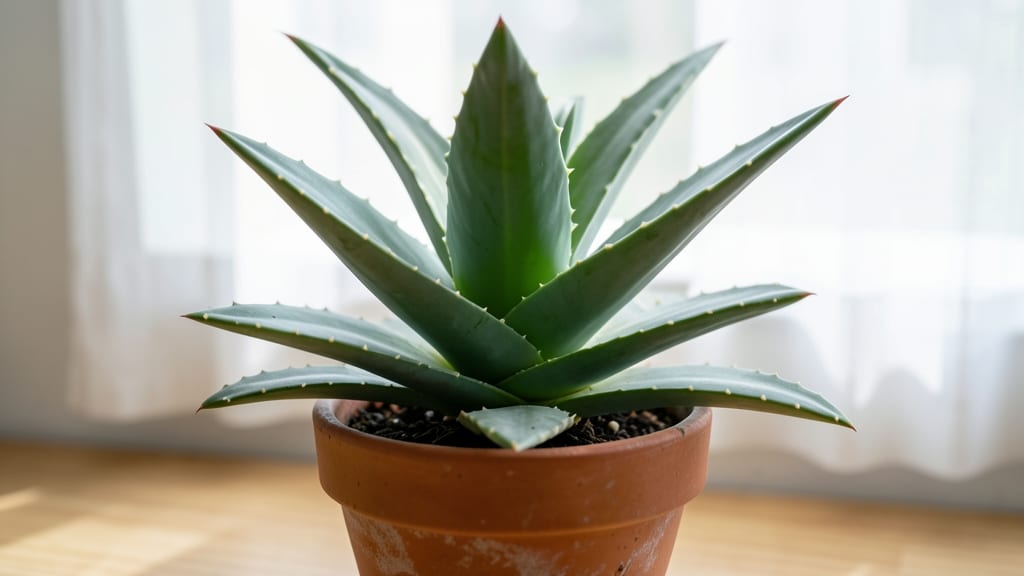
If you’re wondering how much light does an aloe plant need, the answer is simple: this hardy succulent thrives on bright light but can’t handle too much sun without getting scorched.
The secret to keeping it vibrant? A balanced approach that prevents crispy leaves while ensuring it gets enough energy to flourish.
Most aloe plants crave 6+ hours of sunlight daily, but they’re smarter than you think—they prefer indirect light over harsh midday rays. That means a south-facing window (or a sunny spot with filtered light) could be your plant’s new favorite hangout.
Too little light, and it stretches awkwardly; too much, and those pretty leaves turn brown.
Here’s the good news: even if your home lacks natural sunlight, we’ll show you how to mimic it with grow lights or clever window placement tricks. Whether you’re a beginner or a seasoned plant parent, these tips will help your aloe plant go from "meh" to magnificent in no time.
Let’s dive into the exact lighting conditions your aloe needs to stay happy—and how to spot when it’s begging for more (or less) light. Your plant’s future starts here.


Ideal light requirements for aloe vera: sunlight intensity breakdown
Aloe vera thrives under bright, direct sunlight, but finding that perfect balance is key. These succulents need 6 to 8 hours of sunlight daily to produce the energy they need for vibrant growth. Too little light, and they’ll stretch toward the sun, becoming leggy and weak.
Too much, and their leaves can scorch, turning brown at the edges. The goal is intense but gentle light, like a sunny desert morning.
In their natural habitat, aloe plants grow in arid, sunny environments where they’re exposed to harsh sunlight but with some protection from the midday heat.
Mimicking this in your home means placing your aloe near a south-facing window where it can bask in morning and afternoon sun while avoiding the hottest midday rays. If you notice your aloe’s leaves turning a reddish or purple hue, it’s often a sign it’s craving more light.
Understanding light intensity is crucial. Aloe plants prefer full sun exposure, but they can also tolerate bright indirect light if direct sun isn’t an option. Think of it like the difference between a sunny patio and a shady corner.
The former is ideal, while the latter will leave your aloe struggling. If you’re growing aloe indoors, a west-facing window can work too, but keep an eye out for signs of stress during the peak afternoon heat.
Seasonal adjustments are also important. During summer months, aloe plants can handle more direct sunlight, especially if they’re gradually acclimated. In winter, when sunlight is weaker, you might need to supplement with artificial grow lights or rotate your plant to ensure even exposure.
This prevents one side from becoming overly stretched or pale while the other stays stunted.
The science behind aloe’s light needs lies in its chlorophyll production. Like all plants, aloe relies on sunlight to convert carbon dioxide and water into energy through photosynthesis. However, its thick, fleshy leaves are adapted to store water and protect against intense light.
This means aloe can handle more sunlight than many other houseplants, but it still needs the right balance to avoid damage. Too much direct sun can cause oxidative stress, leading to brown, crispy patches on the leaves.
If you’re unsure whether your aloe is getting enough light, observe its growth pattern. Healthy aloe leaves grow upright, with a deep green color and minimal spacing between them. If the leaves are long, thin, and spaced far apart, it’s a classic sign of light deprivation.
On the flip side, if the leaves are thick but brown or yellow at the tips, it’s likely getting too much direct sun. The trick is to find that sweet spot where your aloe stays lush and green without signs of distress.
For those in apartments or homes with limited natural light, don’t despair. Aloe plants can adapt to bright indirect light, especially if you supplement with a grow light. A simple LED grow light with a full-spectrum bulb can provide the missing intensity, mimicking the sun’s rays.
Place the light about 6 to 12 inches above the plant and keep it on for 12 to 14 hours a day to replicate a natural day cycle. This setup is perfect for north-facing windows or rooms with minimal sunlight.
Outdoor aloe plants also benefit from gradual acclimation when transitioning between seasons. If you move your aloe from indoors to outdoors in spring, start with partial shade and gradually increase its sun exposure over 1 to 2 weeks.
This helps prevent sunburn, which can occur if the plant isn’t used to intense light. Similarly, when bringing aloe indoors in fall, place it in a bright, indirect light spot for a few days before moving it to its permanent location.
Here’s a quick way to test your aloe’s light conditions: Place a white piece of paper near your plant and observe the shadows it casts. If the shadow is sharp and dark, your aloe is likely getting enough direct light.
If the shadow is fuzzy or barely visible, it’s probably not getting enough intensity. Adjust its position accordingly to ensure it receives the bright, direct light it craves.
Remember, aloe plants are forgiving but not indestructible. With the right light conditions, your aloe can thrive for years, producing those plump, gel-filled leaves we all love.
Whether you’re a beginner or a seasoned gardener, paying attention to light is the first step to growing a healthy, vibrant aloe plant that’s the star of your space.
| Light Requirement | Specification | Notes |
|---|---|---|
| Ideal Sunlight | 6-8 hours daily | Bright, direct sunlight for optimal growth |
| Minimum Light | 4 hours daily | Aloe can survive but may become leggy |
| Maximum Light | Full sun tolerance | Risk of sunburn if not acclimated |
| Indoor Light | South/west-facing window | Bright indirect light works if direct sun isn't available |
| Artificial Light | LED grow light, 12-14 hrs/day | Full-spectrum bulb for best results |
Now that you understand the ideal light conditions
Ideal light requirements for aloe vera: sunlight intensity breakdown
Aloe plants are sun worshippers—they thrive in bright, direct sunlight for at least 6-8 hours daily. This isn’t just preference; it’s biology. Aloe vera’s thick, succulent leaves evolved to store water and harness sunlight efficiently, making full sun exposure critical for vibrant growth and gel production.
Without enough light, your plant will stretch toward the nearest source, a condition called etiolation, leaving it weak and leggy.
However, not all sun is equal. While aloe plants love sunlight, they’re not fans of intense midday heat, especially in hot climates. The ideal scenario is morning sun paired with afternoon shade.
This balance prevents sunburn while ensuring they get the photosynthesis boost they crave. Think of it like a desert plant’s natural rhythm—bright mornings and gentle afternoons.
| Light Condition | Daily Hours | Ideal For | Signs of Stress |
|---|---|---|---|
| Full Sun | 6-8+ hours | Outdoor pots, south-facing windows | Burnt leaf tips, pale color |
| Bright Indirect | 4-6 hours | East/west windows, grow lights | Stretched stems, weak growth |
| Low Light | <2 hours | North windows, dim rooms | Yellow leaves, leggy stems |
Seasonal adjustments are key. In summer, aloe plants can handle up to 10 hours of sunlight, but during winter, they’ll tolerate 4-6 hours of bright indirect light. This flexibility makes them adaptable, but don’t mistake tolerance for preference.
Even in winter, aim for the brightest spot in your home—aloe plants won’t thrive in dim corners. Think of it like a vacation: they’ll survive in partial shade, but they’ll truly flourish in full sun.
For indoor gardeners, south-facing windows are the gold standard, providing the most consistent sunlight. If your home lacks natural light, supplement with LED grow lights (12-14 hours daily) to mimic the sun’s spectrum.
Avoid fluorescent bulbs—they emit too little red light, which aloe plants need for optimal growth. Pro tip: Rotate your plant quarter-turns weekly to ensure even growth and prevent lopsided development.
The science behind aloe’s light love is fascinating. Their leaves contain chlorophyll, which converts sunlight into energy, but they also produce anthocyanins—pigments that protect against UV damage. When light is insufficient, these pigments shift, causing red or purple tinges on leaves.
It’s their way of screaming, “I need more sun!” Pay attention to these visual cues—they’re your plant’s direct feedback.
Remember, aloe plants are drought-tolerant but not shade-tolerant. If you’re balancing light and water, prioritize sunlight. A slightly thirsty aloe in full sun will outperform a well-watered one in low light.
The key is consistency: steady, bright light builds resilience and ensures your aloe stays plump, vibrant, and ready to heal cuts or soothe sunburns—just like nature intended.