
Plants
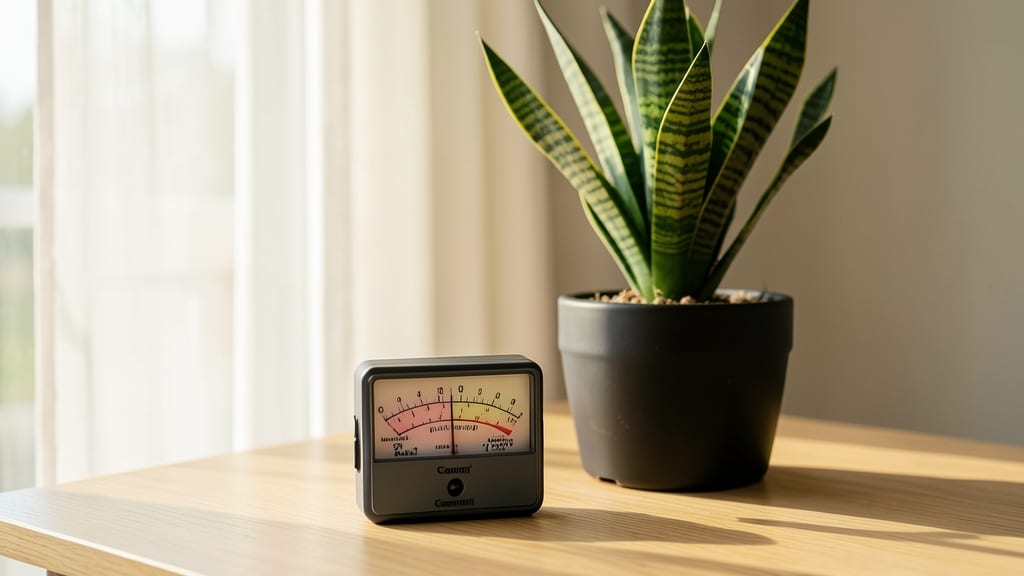
If you’re wondering how much light does a rattlesnake plant need to keep its stunning patterned leaves, you’re probably dealing with the wrong light conditions—and it’s easier to fix than you think.
This striking houseplant thrives in bright, indirect sunlight, but too much direct exposure or dim corners will turn its foliage dull or crispy.
I’ve helped countless plant parents revive their rattlesnake plants by simply adjusting their placement. Whether you’re dealing with a sunburnt leaf or one that’s stretching pitifully toward the window, understanding its light needs is the key to keeping it vibrant year-round.
The ideal spot? Think east-facing windows where morning light gently bathes the leaves without harsh afternoon rays. Even indoors, you can mimic this environment with sheer curtains or a simple grow light—no fancy setup required.
Let’s break down exactly how much light your rattlesnake plant needs and how to spot when it’s getting too much (or too little) so you can keep those gorgeous patterns thriving.


Optimal light requirements for rattlesnake plants: bright indirect sunlight explained
The rattlesnake plant (Calathea orbifolia) thrives in bright indirect sunlight, making it perfect for indoor gardeners with east or north-facing windows. Unlike sun-loving plants, this beauty hates harsh direct rays that can scorch its stunning patterned leaves.
Think of it as a shade-loving diva that still needs plenty of ambient light to maintain its vibrant colors.
Ideal light conditions fall between 2,000–3,000 foot-candles, which is roughly the light level you'd find 5–10 feet from a south-facing window on a cloudy day.
Too little light causes pale, dull foliage, while too much direct sun leads to brown crispy edges—a classic sign your plant is sunburned. The key is mimicking dappled forest light where these tropical plants naturally grow.
🌿
| Light Condition | Foot-Candles | Plant Response | Solution |
|---|---|---|---|
| Bright Indirect | 2,000–3,000 | Lush, vibrant leaves | East/west window or sheer curtain |
| Low Light (<1,000) | 1,000–1,500 | Pale, leggy growth | Add grow light 6–8 hrs/day |
| Direct Sun | >3,500 | Brown crispy edges | Move to filtered light immediately |
| North Window | 1,500–2,000 | Slow growth, weak color | Rotate plant weekly for even light |
To measure your home's light levels, use a light meter app on your smartphone or place your rattlesnake plant near a similar-sized fern or peace lily—if they thrive, your lighting is likely perfect.
South-facing windows can be too intense, so position your plant 6–10 feet away or use a sheer white curtain to diffuse the light.
Watch for these light stress signs: Yellowing leaves often indicate underwatering combined with low light, while brown patches mean too much direct sun. The patterned leaves should remain crisp and upright—if they droop or lose contrast, adjust your plant's position immediately.
Rotate your plant quarter-turns every 2–3 weeks to ensure even growth and prevent lopsided development.
In summer months, when sunlight is strongest, move your rattlesnake plant to a bathroom with a window or a spot behind a blind. Bathrooms often have consistent humidity (another key need for this tropical plant) and gentler light conditions.
If you notice the leaves curling, it's a cry for more humidity—not more light—so consider a pebble tray or humidifier nearby.
🌱
Many gardeners mistakenly think more light is always better, but rattlesnake plants are understory dwellers that evolved to thrive under tree canopies. Their leaves are adapted to filter low to moderate light, which is why they make excellent office plants where artificial lighting is often too harsh.
If your plant's leaves start developing white or yellow patches, it's likely suffering from light burn, not a nutrient deficiency.
For outdoor growing, place your rattlesnake plant in a shady patio spot with morning sun only. Avoid afternoon sun, which can be intense even in partial shade.
In winter, supplement with a LED grow light for 8–10 hours daily if natural light drops below 1,500 foot-candles. A simple 15W LED bulb placed 12 inches above the plant works wonders for maintaining its vibrant foliage.
💧
Optimal light requirements for rattlesnake plants: bright indirect sunlight explained
Your rattlesnake plant (Calathea orbifolia) thrives in bright indirect sunlight, making it perfect for east-facing windows or shaded spots near west-facing ones. Unlike sun-loving plants, this beauty hates harsh rays—think 2,000–3,000 foot-candles of gentle light, similar to a dappled forest floor.
Too little light causes leggy growth, while too much triggers brown leaf tips or crispy edges.
To measure light at home, use a light meter app or observe your plant’s response. If leaves stretch toward the window, it’s craving more light.
If they yellow or develop brown patches, move it away from direct sun immediately. The key is consistent, filtered light—never harsh midday rays.
| Light Condition | Foot-Candles | Signs of Stress | Solution |
|---|---|---|---|
| Bright Indirect | 2,000–3,000 | Healthy growth | Ideal placement |
| Low Light | <1,000 | Leggy stems, pale leaves | Add grow light |
| Direct Sun | >4,000 | Brown tips, crispy edges | Move to shade |
North-facing windows often provide too little light for rattlesnake plants, while south-facing ones can be too intense. Instead, position your plant 2–3 feet from an east window or use a sheer curtain to diffuse west light.
Rotate the pot quarter-turns weekly to ensure even growth—uneven light causes crooked stems or one-sided leaf patterns.
Outdoor growers can place rattlesnake plants under 50% shade cloth during summer months, mimicking their native understory habitat. Avoid full sun exposure, even for short periods, as it burns delicate foliage.
If you notice yellowing leaves, it’s often a sign of overwatering in low light—reduce watering and increase light gradually.
Pro tip: Group your rattlesnake plant with other humidity-loving plants like ferns or peace lilies. The combined transpiration creates a microclimate of 50–60% humidity, which these tropical beauties adore. Pair this with bright indirect light, and you’ll see those striking patterned leaves shine in no time!
Remember, patience is key—rattlesnake plants adjust slowly to light changes. If you recently moved yours, give it 2–4 weeks to acclimate before expecting dramatic improvements. Watch for new leaf growth as your best indicator of success!