
How To
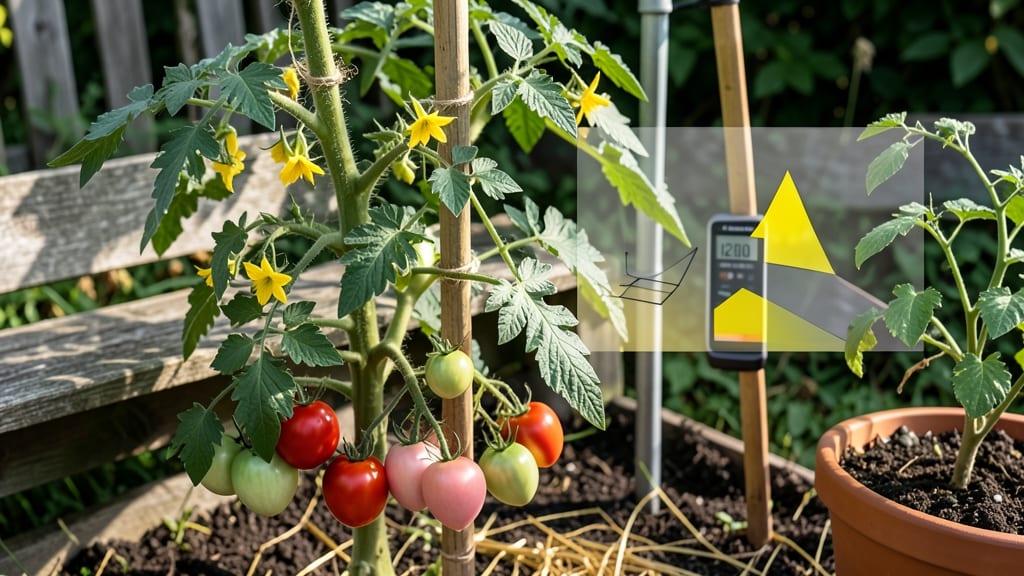
If you're wondering how much light does a tomato plant need, the answer is more nuanced than just "full sun all day." The right amount of sunlight is the foundation of a thriving tomato harvest, but too much or too little can derail even the most careful gardener.
Most gardeners assume tomatoes need full sun all day, but the truth is more nuanced. Seedlings need gentle light to avoid burning, while mature plants crave 6 to 8 hours of direct sunlight to set fruit.
Without it, your plants might grow leggy, produce bitter tomatoes, or even stop flowering entirely.
In this guide, I’ll break down exactly how much light your tomatoes need at every stage—from seedlings to harvest—plus how to adjust for partial shade, containers, and seasonal changes.
You’ll also learn to spot the warning signs of light stress and fix common issues like leaf scorch or poor fruiting before they ruin your crop.
Whether you’re dealing with a sunny backyard or a shady balcony, these tips will help you maximize your tomato’s potential. Let’s get your plants the perfect light they deserve!


Tomato plant sunlight requirements by growth stage: hours and intensity guide
Tomatoes are sun-worshippers, but their light needs change dramatically from seedling to fruiting. As a gardener, I’ve learned the hard way that 6-8 hours of direct sunlight isn’t just a suggestion—it’s a must for peak fruit production.
Let’s break down exactly how much light tomato plants need at each stage, including what happens when they get too much or too little.
For seedlings, start with 4-6 hours of bright light daily to prevent leggy growth. This is often achieved under grow lights or in a south-facing window.
Once transplanted, they’ll need more sunlight to establish strong roots and stems. Partial shade (3-4 hours of direct light) can work temporarily, but it’ll delay growth and reduce yields.
During the vegetative stage (when plants focus on leaf and stem growth), aim for 6-8 hours of full sun daily. This is critical for developing a sturdy framework to support heavy tomato clusters.
If your plants are stretching toward the light with long, weak stems, they’re not getting enough sunlight. This is called etiolation, and it weakens the plant’s ability to support fruit.
| Growth Stage | Sunlight Needs | Intensity | Warning Signs |
|---|---|---|---|
| Seedlings (Indoor) | 4-6 hours | Bright, indirect | Leggy stems, pale leaves |
| Transplant (Outdoor) | 6-8 hours | Full sun | Slow growth, yellowing leaves |
| Vegetative Stage | 6-8 hours | Full sun | Etiolation (stretching) |
| Flowering/Fruiting | 8+ hours | Full sun | Blossom drop, sunburn |
| Mature Plants (Late Season) | 6-8 hours | Full sun | Reduced fruit set |
The flowering and fruiting stages are when tomatoes demand the most sunlight—8+ hours of full sun daily. This is when they need energy to produce heavy fruit loads.
If your plants are dropping flowers or producing small, green tomatoes that never ripen, they’re likely not getting enough light. Partial shade during these stages can lead to poor pollination and blossom end rot.
In hot climates, afternoon shade can actually help prevent sunburn on leaves and fruit. Look for 30-50% shade cloth to filter intense rays while still allowing plenty of light.
I’ve seen tomato leaves develop white or brown patches when exposed to unfiltered afternoon sun—a sure sign of photoinhibition, where too much light damages the plant’s ability to photosynthesize.
For container-grown tomatoes, sunlight needs are the same, but placement becomes critical. A 5-gallon pot on a patio might get only 4 hours of sun if not rotated daily. Use a sunlight tracker or move containers to follow the sun’s arc.
If your tomatoes are growing in a north-facing container, supplement with a reflective surface (like white plastic) to bounce extra light onto the plants.
Even in shady gardens, you can grow tomatoes successfully by choosing shade-tolerant varieties like 'Stupice' or 'Black Krim'. These can thrive with 4-6 hours of sun, though yields will be smaller. For most gardeners, though, maximizing sunlight exposure is key to bountiful harvests.
Start by observing your garden’s sunlight patterns—note which areas get morning sun only or afternoon shade—and adjust plant placement accordingly.
If you’re still unsure about your garden’s sunlight, try this quick test: Place a white piece of paper on the soil near your tomato plants at solar noon (around 12 PM). If the paper casts a sharp shadow, you’ve got full sun.
A fuzzy shadow means partial shade. Use this info to fine-tune your plant’s position for optimal light exposure throughout the day.
Remember, tomatoes are heliotropic, meaning they’ll grow toward the sun. If you notice your plants leaning heavily in one direction, it’s a sign they’re chasing sunlight. Rotate containers or prune lower leaves to encourage upward growth and better light penetration to the fruit clusters.
With the right sunlight strategy, you’ll be rewarded with juicy, vine-ripened tomatoes all season long.
Tomato plant sunlight requirements by growth stage: hours and intensity guide
Tomatoes are sun-worshippers, but their light needs change dramatically from seedling to fruiting. At the seedling stage, they only need 3-4 hours of indirect light to avoid stretching. Once transplanted, they crave 6-8 hours of direct sunlight daily for robust growth and fruit production.
During flowering and fruiting, push it to 8+ hours of sunlight for maximum yield. Partial shade varieties (like 'Stupice') can tolerate 4-6 hours of sun, but expect smaller harvests. Overhead shade cloth (30-50%) can help in intense midday sun zones like Arizona or Texas.
| Growth Stage | Sunlight Needs | Intensity | Shade Tolerance |
|---|---|---|---|
| Seedlings (Indoor) | 3-4 hours | Indirect light | High (use grow lights) |
| Transplant to Garden | 6+ hours | Direct sun | Moderate (acclimate gradually) |
| Vegetative Growth | 6-8 hours | Full sun | Low (minimal shade) |
| Flowering/Fruiting | 8+ hours | Full sun | None (critical for fruit set) |
| Partial Shade Varieties | 4-6 hours | Morning sun + afternoon shade | High (ideal for containers) |
Watch for warning signs of improper light: Leggy seedlings or yellowing leaves mean too little light, while white or brown leaf edges signal sunburn. Morning sun is gentler than afternoon heat—position plants to catch east-facing morning rays first.
In containers or urban gardens, rotate pots weekly to ensure even light exposure. South-facing windows provide 6-8 hours of light for indoor plants, but supplement with grow lights (12-16 hours/day) during winter months when daylight dwindles.
For seasonal adjustments, extend the growing season with row covers in early spring or late fall to protect plants from cold snaps while maintaining sunlight exposure. In high-altitude areas (like Denver), UV intensity is higher—use lightweight shade cloth during peak summer hours.
Remember, consistency is key. Sudden changes in light exposure can stress plants, leading to blossom drop or poor fruit development. Monitor your plants weekly and adjust their position as needed—your tomato harvest depends on it! 🌱