
Plants
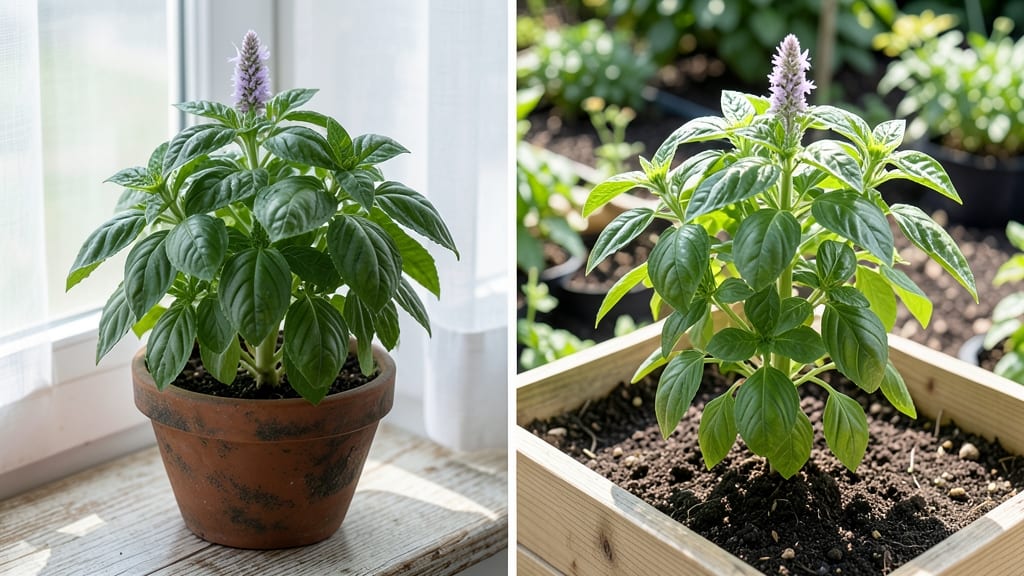
If you've ever wondered how tall can a basil plant grow, the answer might surprise you—some varieties barely reach your wrist, while others can stretch taller than your average kitchen counter!
Whether you're growing 🌿 basil in pots or garden beds, understanding these height differences is key to maximizing your harvest and keeping your plants healthy.
The truth is, basil's height depends entirely on its variety, with dwarf types staying compact at just 6-12 inches, while standard varieties can reach 18-24 inches or more.
For gardeners in USDA Zone 6a, this means planning ahead for both space and sunlight needs during the April-May planting window to ensure your plants thrive.
But here's the game-changer: proper pruning and harvesting techniques can actually control basil's growth, keeping it bushy and productive. Whether you're aiming for a compact windowsill herb garden or a towering outdoor basil plant, I'll show you exactly how to manage height for the best flavor and yield.
Ready to transform your basil from a scraggly underachiever to a thriving, flavor-packed powerhouse? Let's dive into the varieties, growth tips, and secrets to keeping your basil at the perfect height—no matter where you're growing it.


Basil plant height by variety: from dwarf to towering giants
If you’ve ever wondered why your basil plant seems to either sprawl like a vine or stand tall like a tiny tree, the answer lies in its variety. Basil heights range dramatically—from compact dwarf varieties perfect for windowsills to tall, sprawling giants that need trellises.
Understanding these differences helps you choose the right type for your space and maximize your harvest.
Most basil varieties fall into three height categories: dwarf (6–12 inches), semi-dwarf (12–18 inches), and standard (18–24 inches). But some, like Thai basil, can even reach 3 feet or more under ideal conditions.
Let’s break down the most popular varieties and their growth habits so you can plan your garden—or your windowsill—like a pro.
🌱 Visual Growth Tip: Dwarf varieties grow outward, while taller types often need staking or pruning to stay upright. Your container size or garden plot spacing should always match the mature height of your chosen basil.
| Variety | Mature Height | Growth Habit | Ideal Spacing | Best For |
|---|---|---|---|---|
| Genovese | 18–24 inches | Upright, bushy | 12 inches apart | Pesto, containers |
| Thai Basil | 24–36 inches | Tall, sprawling | 18 inches apart | Asian dishes, trellises |
| Purple Ruffles | 12–18 inches | Compact, bushy | 10 inches apart | Decorative, salads |
| Spicy Globe | 6–12 inches | Dwarf, rounded | 8 inches apart | Windowsills, pots |
| Sweet Basil | 18–24 inches | Medium, upright | 12 inches apart | General use, containers |
| Lemon Basil | 20–28 inches | Tall, leggy | 15 inches apart | Citrus dishes, trellises |
| Cinnamon Basil | 12–18 inches | Bushy, compact | 10 inches apart | Spiced dishes, pots |
| Holy Basil (Tulsi) | 36–48 inches | Very tall, woody | 24 inches apart | Sacred gardens, large plots |
Notice how Thai basil and Holy Basil need significantly more space than Spicy Globe or Purple Ruffles? This is why container gardening is perfect for dwarf varieties—you can grow multiple plants in a single pot without overcrowding.
For taller types like Lemon Basil, consider vertical gardening with stakes or trellises to save space.
Another key factor is sunlight exposure. Basil varieties like Genovese thrive with 6+ hours of sun and will grow taller and bushier in full light.
But even dwarf varieties can become leggy if they don’t get enough sun, so place them near a south-facing window or under grow lights if indoors.
💡 Pro Tip: If you’re growing basil in containers, choose a pot that’s at least 6 inches deep for dwarf varieties and 12+ inches deep for taller types. Shallow pots stunt root growth, leading to shorter plants and weaker stems.
For gardeners in USDA Zone 6a or warmer, basil grows best when planted after the last frost date (typically mid-April). In cooler climates, start seeds indoors 6–8 weeks before transplanting. This timing ensures your basil reaches its full mature height before the first frost in October.
One common mistake is assuming all basil grows the same. Holy Basil, for example, can reach 4 feet tall and has a woody stem, while Spicy Globe stays under 1 foot and is perfect for windowsill gardening.
Matching your variety to your space—and your culinary needs—is the secret to a thriving basil harvest.
Ready to pick your perfect basil? Start with Genov
How to control basil height: pruning, training, and container hacks
Managing your basil's height isn't just about aesthetics—it directly impacts leaf production, flavor intensity, and plant longevity. Whether you're growing Genovese basil for pesto or Thai basil for curries, these techniques will keep your plants at your desired height while maximizing harvests.
The key lies in understanding when and how to intervene during growth cycles.
Most basil varieties naturally reach 18-24 inches tall if left unchecked, but with proper care, you can coax them to stay between 6-12 inches for compact growth or even encourage vertical sprawl up to 3 feet for dramatic displays.
The secret? Pruning at the right time and using container constraints to guide growth patterns.
One common mistake gardeners make is pruning too late—waiting until the plant flowers. Once basil blooms, the leaves become bitter and woody, and the plant shifts energy to seed production.
Always prioritize harvesting leaves over letting stems elongate. For indoor basil, supplement with grow lights (12-14 hours/day) to prevent leggy growth from insufficient light.
If you're growing basil for long-term harvests, consider the harvest-and-regrow method. Snip the top 2-3 inches of stems regularly, and the plant will bush out wider rather than shooting upward.
This technique works especially well for Genovese basil, which can produce continuous harvests for months with proper care.
For outdoor gardeners, mulch around the base with straw or wood chips to retain moisture and regulate soil temperature. This encourages healthier root growth, which in turn supports stronger stems that can handle pruning without toppling. Remember, healthy roots = controlled height.
With these techniques, you'll transform your basil from a rambling weed into a manageable, flavor-packed powerhouse. Whether you prefer bushy dwarf varieties or tall, trellised giants, the choice is yours—and the flavor will thank you for the attention! 🌿✂️