
Plants
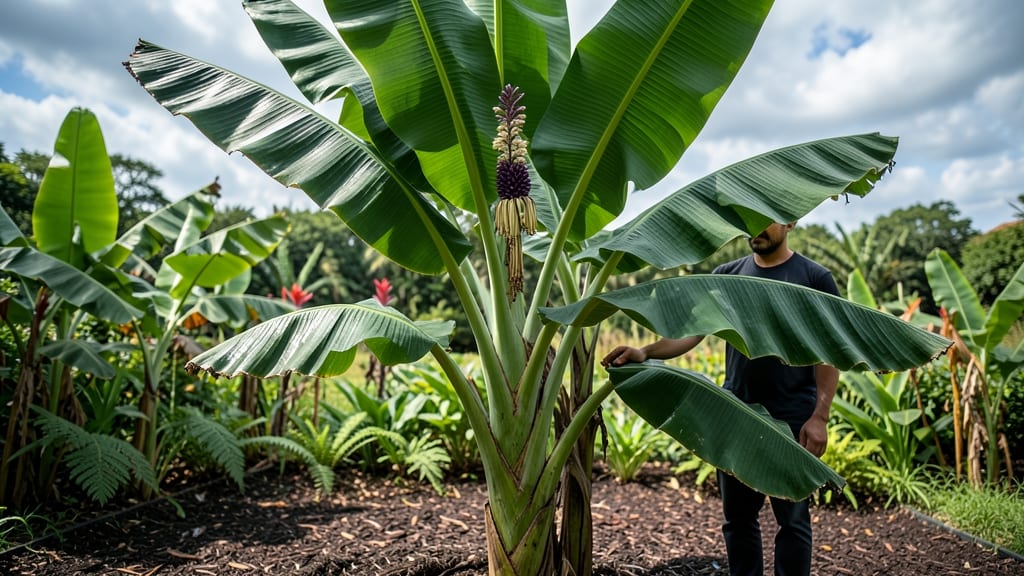
If you’ve ever wondered how tall does a banana plant grow, you’re not alone—because these tropical giants can reach heights that’ll make your backyard feel like a jungle! 🍌 Whether you’re dreaming of a dwarf variety snug in a container or a towering standard plant stretching toward the sky, knowing the right size for your space is the first step to success.
The truth is, banana plants vary wildly in height depending on the variety. Some stay compact at just 8–12 feet, perfect for small gardens or even large pots, while others can soar to 25 feet or more, rivaling a two-story house.
If you’re in USDA Zone 6a, where winters can be chilly, you’ll need to choose cold-hardier dwarf or semi-dwarf types to avoid frost damage.
But here’s the kicker: even the same variety can grow taller or shorter based on care, climate, and sunlight. With the right conditions—like full sun and consistent watering—your banana plant could hit its full potential faster than you think.
Let’s break down the exact heights by variety and what you can do to manage their size, no matter where you live.
Ready to turn your garden into a banana paradise? I’ll show you how to pick the perfect variety for your space, plus pro tips to keep your plant thriving—whether it’s a 10-foot dwarf or a 20-foot giant. Let’s get growing!


Banana plant height by variety: from dwarf to giant species
Banana plants are famous for their dramatic height—some varieties grow taller than a two-story house, while others stay manageable in containers! The height of a banana plant depends entirely on its variety, with dwarf types reaching just 8–12 feet and giant species towering over 25 feet.
Choosing the right variety is key if you’re limited on space or want to grow bananas in pots.
For home gardeners, Dwarf Cavendish is the most popular choice because it stays between 10–15 feet tall, making it perfect for backyard gardens or large containers. Meanwhile, Lady Finger bananas grow slightly taller at 12–18 feet, offering sweet, small fruits ideal for fresh eating.
If you’re in a tropical climate and have plenty of space, Red Dacca can reach an astonishing 25+ feet, producing massive, red-skinned bananas.
Here’s how height varies by variety, along with their space requirements and growing habits to help you pick the best fit for your garden:
| Variety | Height Range | Space Needs | Growth Habit |
|---|---|---|---|
| Dwarf Cavendish | 10–15 ft | Containers (15+ gal) or small yards | Fast-growing, compact |
| Lady Finger | 12–18 ft | Medium yards or large containers | Tall but slender |
| Red Dacca | 20–25+ ft | Large tropical gardens only | Massive, broad leaves |
| Ice Cream Banana | 8–12 ft | Containers or small spaces | Slow-growing, sweet fruit |
| Bluggoe | 15–20 ft | Large yards or tropical climates | Hardy, cold-tolerant |
If you’re growing bananas in containers, stick to dwarf varieties like Dwarf Cavendish or Ice Cream Banana. These thrive in 15-gallon or larger pots and can produce fruit just like their in-ground counterparts.
Just ensure your container has drainage holes and you’re using a well-draining potting mix to prevent root rot.
For backyard gardens, semi-dwarf varieties like Lady Finger offer a balance—tall enough for dramatic foliage but not overwhelming. They also produce high-quality fruit that’s perfect for fresh eating or baking.
If you’re in a tropical climate, varieties like Red Dacca or Bluggoe will reward you with giant leaves and massive bunches of bananas, but they’ll need plenty of space to spread their roots.
Pro tip: Measure your space before planting! A 15-foot-tall banana plant needs at least 6–8 feet of clearance around it for airflow and sunlight. If you’re unsure, start with a dwarf variety—they’re forgiving for beginners and still deliver delicious fruit.
🌱
How climate zones affect banana plant growth height
Banana plants thrive in tropical climates, but their growth height varies dramatically based on your USDA hardiness zone. In USDA zones 10-12, where temperatures stay warm year-round, banana plants can reach their full 15-25 foot potential.
However, in cooler USDA zones 9-10, like Southern California or Florida, growth slows significantly, often capping at 10-15 feet unless you provide winter protection.
Even in ideal tropical regions, day length and temperature influence height. Shorter days in winter trigger dormancy, halting growth, while longer summer days fuel rapid vertical expansion. In subtropical zones, like parts of Hawaii or Puerto Rico, banana plants grow faster and taller year-round compared to temperate climates.
The Red Dacca variety, for example, can exceed 25 feet in tropical zones but may only reach 12-15 feet in zone 10 without winter care. Meanwhile, dwarf varieties like Lady Finger remain under 12 feet even in cooler climates, making them ideal for container growing in zone 9.
| Climate Zone | Avg. Height Range | Growth Notes | Winter Care Needed |
|---|---|---|---|
| Tropical (10-12) | 15-25 ft | Year-round growth, rapid vertical expansion | None |
| Subtropical (9-10) | 10-15 ft | Slower growth in winter, may need mulch | Light protection |
| Temperate (8-9) | 6-12 ft (dwarf varieties) | Grows as annual or needs winter removal | Full protection |
In USDA zone 9, where I grow my Dwarf Cavendish, I’ve found that mulching heavily in winter and using frost cloth extends the growing season, allowing plants to reach 12-14 feet instead of the typical 8-10 feet.
For zones 8 and below, consider container growing—you can bring potted plants indoors during winter and still enjoy harvests up to 8 feet tall in summer.
If you live in a cooler climate, choose cold-hardy varieties like Blue Java or Ice Cream banana, which tolerate brief frosts and grow 10-15 feet tall even in USDA zone 8.
Always plant near a south-facing wall to maximize sunlight exposure and protect from wind, which can stunt growth.
Remember, even in tropical zones, proper soil drainage and nutrient balance are critical—poor conditions can reduce height by 30-50%. Test your soil’s pH (ideal: 5.5-7.0) and amend with compost or peat moss to encourage robust growth, regardless of your climate zone.