
Plants
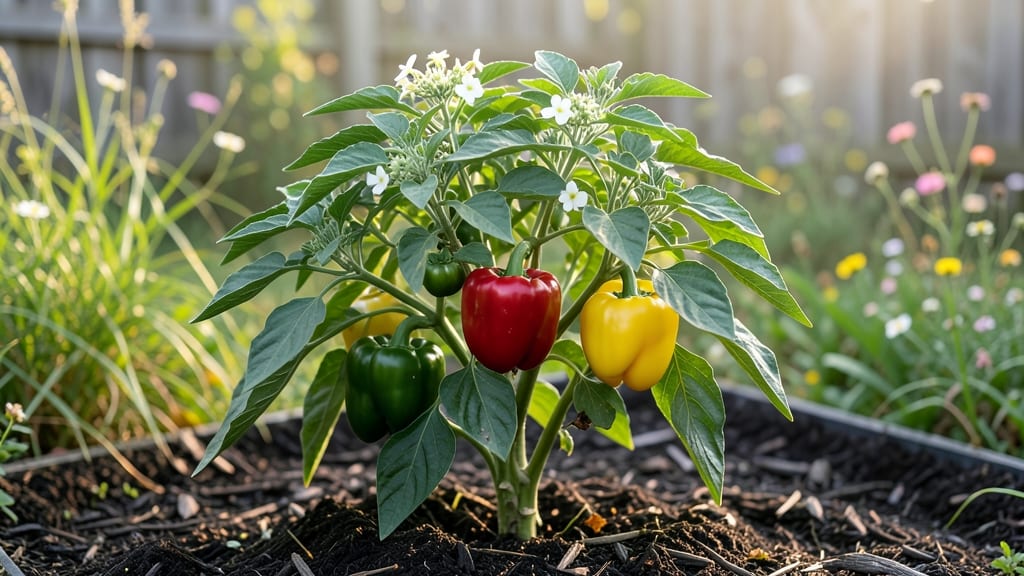
If you're planning your garden layout this spring, knowing how tall pepper plants grow could make or break your space strategy. That 🌶️ 3-foot bell pepper you planted last year might surprise you with a 6-foot cousin this season—unless you're growing the right variety for your needs.
Pepper plant height isn't just about aesthetics; it directly impacts your harvest success. A determinate variety like 'Big Bertha' stays compact at 3-4 feet, perfect for containers, while indeterminate types like 'Carolina Wonder' can stretch up to 10 feet if left unchecked.
Without proper support, those towering plants can flop over, leaving peppers on the ground instead of in your basket.
I'll break down exactly which varieties stay short, which reach for the sky, and how to manage their growth—whether you're working with limited space or dreaming of a vertical pepper garden.
You'll learn when to stake, cage, or prune for optimal height control, so your plants stay productive without taking over your yard.
Ready to turn your pepper patch from a wild jungle into a well-organized, high-yielding system? Let's dive into the height secrets that'll change how you grow peppers this season.


Pepper plant height by variety: dwarf to giant growth charts
Pepper plants come in stunning height variations, from waist-high dwarfs to 10-foot-tall vines. The difference lies in their growth habits: determinate (bush-type) varieties stop growing after fruiting, while indeterminate (vine-type) varieties keep climbing until frost.
Knowing these traits helps you plan your garden layout and choose the right support structures.
Most home gardeners grow bell peppers (2-4 feet) or jalapeños (3-5 feet), but specialty varieties can surprise you. For example, the 'Black Pearl' habanero reaches 12+ feet without support, while 'Mini Bell' peppers stay under 18 inches. Always check seed packets for height ranges before planting.
🌱
| Variety | Height Range | Growth Habit | Best For |
|---|---|---|---|
| Mini Bell Pepper | 12–18 inches | Determinate | Containers, windowsills |
| Jalapeño | 3–5 feet | Indeterminate | Trellises, cages |
| Bell Pepper | 2–4 feet | Determinate | Bush gardens, containers |
| Banana Pepper | 4–6 feet | Indeterminate | Vertical gardens |
| Habanero (Black Pearl) | 8–12+ feet | Indeterminate | Large trellises, fences |
| Pepperoncini | 2–3 feet | Determinate | Small spaces, balconies |
Determinate varieties like bell peppers and pepperoncini grow in compact bushes, making them ideal for container gardening or tight spaces. These plants focus energy on producing fruit early, then stop growing.
Indeterminate types, such as jalapeños and habaneros, keep growing and producing peppers all season long, but they need strong support to handle their weight.
If you’re growing peppers in containers, choose dwarf varieties like 'Mini Bell' or 'Pepperoncini'. These stay under 2 feet and thrive in 5-gallon pots with proper drainage. For vertical gardening, indeterminate varieties like 'Banana Peppers' or 'Black Pearl Habaneros' shine when trained on trellises or cages.
🌿
Some peppers, like the 'Fish Pepper', reach 6 feet but produce long, dangling pods that don’t need heavy support. Others, such as 'Cayenne' varieties, grow 4–5 feet tall with dense foliage that benefits from light staking.
Always research your specific variety—even within the same type, heights can vary by 1–2 feet.
For first-time gardeners, start with determinate varieties like 'Sweet Banana' peppers (3–4 feet) or 'Jalapeño M' (3–4 feet). These are forgiving, productive, and easier to manage without complex support systems. Save indeterminate giants like 'Black Pearl' for when you’re ready to invest in trellis systems or pruning skills.
🪴
Pro tip: If you love a pepper variety but hate its height, look for dwarf or semi-dwarf versions. For example, 'Jalapeño 'Early J' stays under 3 feet while producing the same heat. Always check seed catalogs for "compact" or "bush" labels—these indicate shorter growth.
Understanding pepper plant heights helps you maximize garden space and avoid overcrowding. Place taller varieties like habaneros along fences or trellises, while shorter types like mini bells can nestle in hanging baskets or windowsill pots.
With the right variety and support, you’ll turn even a small balcony into a pepper powerhouse!
Support needs for tall vs. short pepper plants: trellises, cages, and staking guide
Not all pepper plants need the same support—some stand proudly on their own, while others climb like vines. The key difference lies in their growth habits: determinate varieties (bush types) stay compact, while indeterminate varieties (vining types) can stretch skyward without help.
Choosing the right support isn’t just about aesthetics; it prevents top-heavy collapse, improves airflow, and even boosts fruit production by keeping plants upright for better sunlight exposure.
For short pepper plants like Mini Bell or Thai Hot varieties, support is optional but can still help. A simple 5-gallon bucket cage or tomato cage (3-4 feet tall) provides stability without taking up extra space.
These varieties typically max out at 18-24 inches, making them perfect for container gardening or small plots where vertical space is limited.
🌱 Visual Guide to Support Needs 🌱
| Variety Type | Height Range | Recommended Support | DIY Solution |
|---|---|---|---|
| Determinate (Bush) | 18"–36" | Cages or Stakes | 5-gal bucket cages or bamboo stakes |
| Indeterminate (Vining) | 3–10+ ft | Trellises or String Systems | PVC trellis or twine between posts |
| Dwarf Varieties | 12"–18" | None or Mini Stakes | Toothpicks in pots |
| Giant Varieties (e.g., Black Pearl) | 8–12+ ft | Strong Trellis or Arbors | Wooden lattice or metal arch |
For tall pepper plants like Jalapeño or Habanero varieties, trellises or string systems are a game-changer. These plants can grow 6–10 feet tall if left unsupported, but training them vertically saves space and improves air circulation, reducing the risk of fungal diseases. Install a 6-foot trellis or stretch twine between posts at planting time, gently weaving stems through as they grow. This method also makes harvesting easier—no more bending over!
If you’re growing peppers in containers, opt for self-watering pots with built-in cages or espalier training to keep plants compact. For espalier, attach branches horizontally to a fence or wall using soft plant ties, redirecting growth into a flat plane.
This technique works wonders for small-space gardens or urban balconies, turning vertical walls into productive green spaces.
💡 Pro Tip: Always install support early—within the first 2–3 weeks of planting—to avoid damaging roots later. For heavy-fruiting varieties like Banana Peppers, add extra ties every 4–6 inches along the stem to prevent snapping under the weight of peppers.
And remember, pruning (removing suckers) can also help manage height by redirecting energy to fruit production instead of vertical growth.
Whether you’re dealing with a waist-high bush or a 10-foot vine, the right support turns potential headaches into a neat, productive garden. Start with the right structure, and your peppers will reward you with bigger yields and easier maintenance all season long. ✂️