
Plants
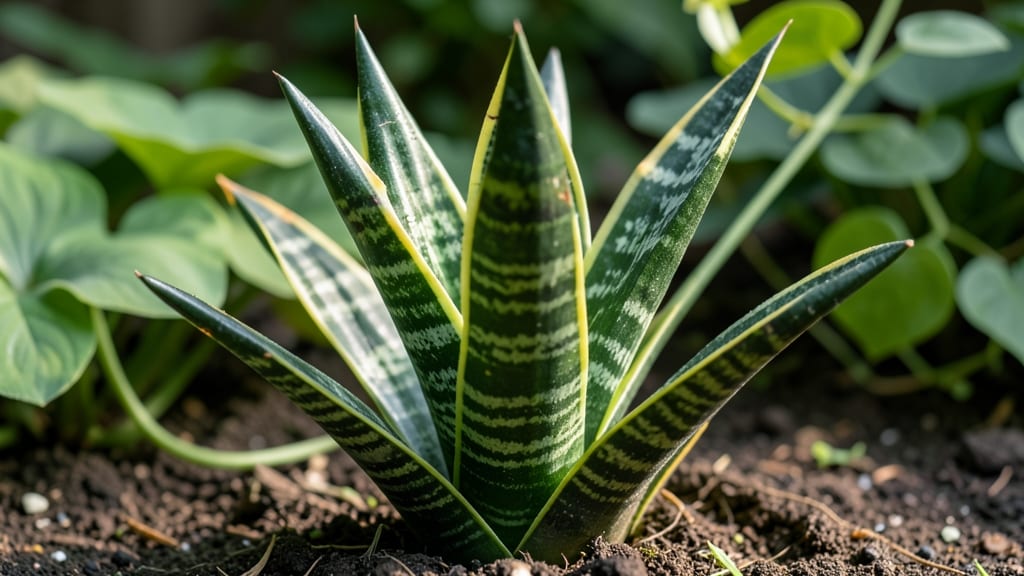
Wondering how tall does a snake plant grow before it starts crowding your space? This resilient 🌿 houseplant can surprise you with its vertical growth—some varieties stretch toward the ceiling, while others stay compact and manageable.
If you're eyeing a snake plant for your home or office, knowing its mature height helps you choose the right variety for your space. Whether you prefer the towering 'Laurentii' or the smaller 'Hahnii', understanding growth habits means no last-minute rearranging when those striking leaves reach for the sky.
Growth rates vary by type, but most snake plants mature between 1 to 4 feet tall—some even taller with proper care. The good news? You can control their height with simple pruning techniques and smart placement, keeping them at your ideal size without sacrificing their iconic look.
Let’s break down exactly what to expect from different varieties and how to keep your snake plant at the perfect height for your home. You’ll learn the secrets to managing growth, from light exposure to pruning tips that work.


Snake plant height ranges by popular varieties (with growth charts)
Snake plants (Sansevieria trifasciata) are prized for their striking foliage and low-maintenance nature, but their mature height varies dramatically by variety.
Understanding these differences helps you choose the perfect plant for your space—whether you want a compact 1-foot tabletop specimen or a 4-foot statement plant for your living room. Most varieties grow vertically, so placement matters! Let’s break down the height ranges for the most popular types.
First, know that snake plants grow slowly—typically 4-6 inches per year—but some varieties can double in height over 3-5 years with ideal care. The key factors influencing growth are genetics (variety), light exposure, and container size.
For example, Sansevieria 'Futura Superba' can reach 4 feet indoors, while the dwarf 'Hahnii' (also called "Bird’s Nest") tops out at just 12-18 inches. Choosing the right variety ensures your plant fits your decor without outgrowing its welcome.
Below is a summary-table comparing 8 popular snake plant varieties, including their mature heights, growth rates, and ideal environments. Use this as your guide to pick a plant that matches your space and lifestyle.
| Variety | Mature Height | Growth Rate | Best For |
|---|---|---|---|
| Sansevieria 'Laurentii' | 2-3 ft | 4-6 in/year | Indoor decor, medium spaces |
| Sansevieria 'Futura Superba' | 3-4 ft | 6-8 in/year | Large rooms, statement plants |
| Sansevieria 'Hahnii' (Bird’s Nest) | 1-1.5 ft | 3-5 in/year | Tables, shelves, small spaces |
| Sansevieria 'Moonshine' | 2-3 ft | 5-7 in/year | Bright interiors, modern decor |
| Sansevieria 'Black Gold' | 2.5-3.5 ft | 5-6 in/year | Dramatic foliage, low-light areas |
| Sansevieria 'Twist' | 1.5-2.5 ft | 4-5 in/year | Unique leaf patterns, compact spaces |
| Sansevieria 'Golden Hahnii' | 1-1.2 ft | 3-4 in/year | Dwarf collections, terrariums |
| Sansevieria 'Zeylanica' | 1-2 ft | 4-5 in/year | Outdoor borders, tropical gardens |
Height ranges based on indoor care in 10-12" pots with bright indirect light.
If you’re eyeing a taller variety like Futura Superba, plan for a floor-standing pot or a wall-mounted planter to keep it from toppling. For dwarf varieties like Hahnii, a small ceramic pot on a shelf works perfectly.
Pro tip: Snake plants grow taller in pots because their roots circle the container, so repotting every 2-3 years can help control height if needed.
Light exposure plays a surprising role in height. Plants in low light tend to grow taller and leggier as they stretch toward light sources. Meanwhile, those in bright indirect light stay compact and bushy.
If your snake plant is reaching for the ceiling, it might be light-deprived—move it closer to a south- or east-facing window to encourage fuller growth.
Outdoor snake plants can grow slightly taller (up to 5 feet in tropical climates like USDA Zones 9-11) but are more vulnerable to pests and frost. If you’re growing yours outside, choose a sheltered spot and bring potted varieties indoors before temperatures drop below 50°F.
Even in containers, outdoor plants may need staking as they mature to prevent flopping.
For indoor growers, remember that smaller pots = slower vertical growth. If you want to keep your snake plant under 2 feet, use a 6-8 inch pot and avoid over-fertilizing.
Overfeeding can lead to longer, weaker stems as the plant focuses on foliage over root development. Stick to a balanced fertilizer (like 10-10-10) once every 6-8 weeks in spring and summer.
One final tip: Rotate your plant every few months to ensure even light exposure on all sides. This
How to control snake plant height: pruning and growth hacks
If your snake plant is shooting up faster than you’d like, don’t worry—you’re not stuck with a towering jungle in your living room. With the right techniques, you can keep your snake plant at a manageable height while still enjoying its striking foliage.
The key lies in understanding when and how to prune, along with a few growth hacks that slow vertical expansion.
Pruning isn’t just about trimming back overgrowth—it’s also a chance to propagate new plants from cuttings. This way, you can turn a tall, unruly snake plant into multiple smaller, controlled specimens.
Plus, pruning encourages bushier growth, giving your plant a fuller, more compact look. Let’s dive into the best methods to keep your snake plant at your desired height.
🌱
Pro Tip: Best Time to Prune
Prune your snake plant in early spring when it’s entering its active growth phase. This timing ensures the plant has time to recover and grow back fuller before summer dormancy. Avoid pruning in winter, as the plant is less active and may struggle to regenerate leaves.
One of the easiest ways to control height is by choosing the right pot size. Snake plants grow taller when they’re root-bound, so opt for a pot that’s only slightly larger than the plant’s current root system.
A 10-15% larger pot is ideal—this gives roots room to spread without encouraging excessive vertical growth. If your plant is already in a large pot, consider repotting it into a shallower container to discourage upward growth.
Light exposure plays a surprising role in height control. While snake plants thrive in bright, indirect light, too much direct sunlight can cause them to stretch toward the light—a phenomenon called etiolation.
To keep your plant compact, place it near an east-facing window where it gets gentle morning light. If you notice leaves elongating or turning pale, it’s a sign the plant is reaching for more light and needs to be moved to a better spot.
For a more dramatic height reduction, you can prune the leaves at the base. Use a clean, sharp pair of pruning shears to cut the leaves about 2-3 inches above the soil line.
This encourages new shoots to grow from the base, creating a bushier, shorter plant. Save the cuttings—you can propagate them in water or soil to grow new snake plants!
Finally, remember that patience is key. Snake plants grow slowly, especially in cooler months, so don’t rush to prune unless absolutely necessary. With the right care, you can enjoy a snake plant that stays at your ideal height while still looking lush and healthy.
Whether you’re aiming for a countertop-sized plant or a floor-length statement piece, these tips will help you take control of its growth.